Starting a new workout routine can be exciting, but it can also be tough to stay consistent.
After all, there are so many other things vying for our attention, and it can be easy to let our workouts fall by the wayside.
But if you want to see real results from your workouts, it’s important to be consistent. That doesn’t mean you have to work out for hours every day. Even a short workout is better than no workout at all.
The most important thing when it comes to getting results from your exercising efforts is to show up and stick to a consistent workout schedule.
Showing up to do consistent workouts is the best way to form an exercise habit that just becomes part of your life. But how do you ensure that you stay consistent after you start a new exercise program?
Here are the best tips on how to stay consistent with working out, covering everything you need to stick to your workout routine from setting realistic goals to finding an activity you enjoy.
Manage your expectations
One of the most important things you can do to stay consistent with your workouts is to manage your expectations, especially before you even start working out.
This means setting realistic goals for yourself as the first step in any consistent fitness routine, and not getting discouraged if you don’t see results overnight (which you won’t!).
Anyone who puts in the effort to exercise needs to give their body enough time to show even small changes.
Remember, it’s all about progress, not perfection. So don’t put too much pressure on yourself to see results immediately. The key to seeing change in your body is to just keep working hard and you will eventually reach your goals.
Start small
One of the best ways to get a good start to a consistent workout routine is to start small. This means setting realistic goals for yourself and not trying to do too much too soon.
For example, if you’re a complete beginner to running, don’t start by trying to run a 5K or a half marathon. Instead, start by walking for 30 minutes a day. Once you’re comfortable with that, you can gradually increase the intensity or duration of your workouts.
Starting small also helps you avoid getting discouraged. If you set your sights too high, you’re more likely to give up when you don’t see results overnight. But if you start small and gradually increase your workload, you’re more likely to stick with it and see results over time.
Here are some specific tips for starting small:
- Set a goal that you know you can achieve. This could be anything from walking for 30 minutes a day to doing 10 push-ups.
- Break your goal down into smaller steps. For example, if your goal is to run a 5K, you could break it down into 1-mile runs.
- Start with a short workout. Even a 10-minute workout is better than nothing.
- Listen to your body. If you’re feeling tired or sore, take a break.
- Don’t be afraid to modify your workouts. If something is too difficult, make it easier.
Having small but specific goals that you are more likely to reach sooner rather than later is a great way to keep your workout motivation going.

Choose the right workout
The importance of choosing the right workout for you cannot be overstated. If you choose an activity that you don’t enjoy, you’re less likely to stick with it, meaning you won’t see the results you want.
There are a few things to consider when choosing the right workout for you:
- Your interests. What do you enjoy doing? If you don’t like running, don’t force yourself to do it. There are plenty of other activities that you might enjoy more, such as swimming, biking, or dancing.
- Your fitness level. If you’re a beginner, you’ll want to start with something that’s not too challenging. As you get stronger, you can gradually increase the intensity or duration of your workouts.
- Your goals. What are you hoping to achieve with your workouts? If you’re looking to lose weight, you’ll need to do a combination of cardio and strength training. If you’re looking to improve your cardiovascular health, you’ll want to focus on cardio.
- Your schedule. How much time do you have to work out? If you’re short on time, you’ll need to choose an activity that you can do quickly and easily.
Once you’ve considered these factors, you can start to narrow down your options. There are so many different types of exercise out there, so you’re sure to find something that you enjoy.
Schedule your workouts
One of the best ways to stay consistent with your workouts is to schedule them. This means setting aside specific times each week to work out. When you have a schedule, you’re less likely to skip workouts or make excuses.
Here are a few reasons why scheduling your workouts is important:
- It helps you stay accountable. When you have a schedule, you’re more likely to stick to it. This is because you’ve already made a commitment to yourself.
- It helps you make the most of your time. When you know when you’re going to work out, you can plan your day accordingly. This means that you’re less likely to waste time or procrastinate. Generally, sticking to the same time of day for you (when you’re at your most active and alert) is the best way to schedule a workout.
- It helps you stay motivated. When you have a schedule, you have something to look forward to. This can help you stay motivated and on track.
Scheduling your workouts is an important part of staying consistent with your workouts. If you have a personal trainer this is also a great way to stick to a regular exercise routine as they will plan your workout time for you.

Make it easy to get ready to workout
Sometimes, especially at the start of a new fitness journey, just getting started can feel like hard work.
To make it easier to get started with your workout every day, there are some simple tricks to make sure there’s nothing standing in your way.
- Have a designated workout space. This could be a corner of your bedroom, a spare room, or even your backyard. Having a designated space will make it easier to get started and to stay motivated.
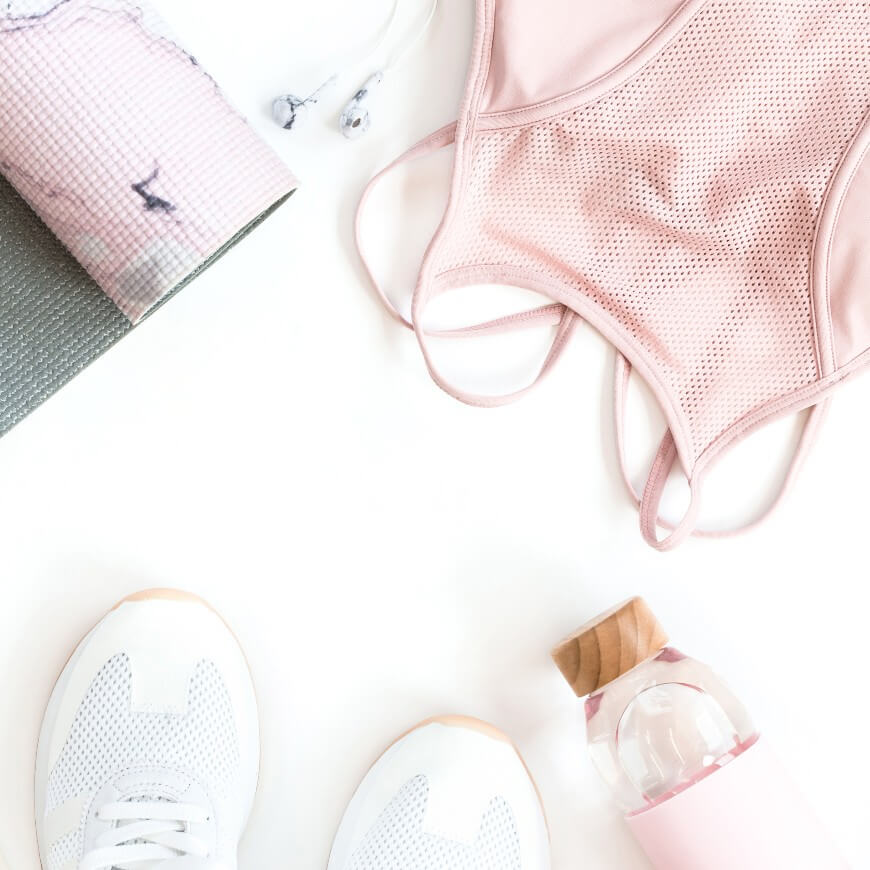
- Keep your workout gear accessible. This means storing it in a place where you can easily get to it. A good option is to have a basket or bin in your workout space where you can keep all of your gear such as your resistance bands. If you do yoga, keep your yoga mat rolled out ready to use.
- Have a playlist of workout music. Listening to music can help you get pumped up and motivated to work out. Create a playlist of your favorite workout songs and listen to it while you’re working out.
- Have a workout plan in place. This means you know exactly what type of workout you’re doing that day before you start, so there won’t be any delay getting going.
- Keep a water bottle in your workout space. This is a really good idea because it stops you either trying to hunt it down during your workout, or giving up because you need water.
Track your progress
Tracking your progress is important for a number of reasons, including:
- Motivation: Seeing your progress can help you stay motivated and on track. When you see how far you’ve come, it can give you the boost you need to keep going.
- Accountability: Tracking your progress can help you stay accountable to yourself. When you know that you’re going to be tracking your progress, you’re more likely to stick to your workouts.
- Improvement: Tracking your progress can help you see how you’re improving over time. This can be motivating and help you set new goals.
- Problem-solving: If you’re not seeing the results you want, tracking your progress can help you identify areas where you need to improve. This can help you make adjustments to your workouts or diet.
There are a number of ways to track your progress, including:
- Keeping a journal: This is a simple way to track your workouts and progress. You can write down what you did, how long you worked out, and how you felt.
- Using a fitness tracker: There are a number of fitness trackers on the market that can track your progress. These trackers can track your steps, distance, calories burned, and more.
- Using a fitness app: There are a number of fitness apps that can help you track your progress. These apps can track your workouts, weight, and more.

Celebrate your fitness wins
Rewarding yourself for your fitness successes is a great way to stay motivated and therefore working out on a regular basis.
Here are some ideas for celebrating your fitness wins:
- Treat yourself to a new piece of workout gear.
- Go out to eat at your favorite healthy restaurant.
- Take a day off from work or school to relax and recharge.
- Do something you enjoy that you wouldn’t normally have time for like going to see a movie or calling a friend you haven’t spoken to in months.
There are also lots of small things you can do while you’re sticking to a consistent routine to reward yourself and make it more fun. For example:
- Get a massage. Massage therapy can help you relax and recover from your workout.
- Take a bath or shower. A warm bath or shower can help you soothe sore muscles and relax.
- Listen to your favorite music. Listening to your favorite music can help you de-stress and unwind.
- Read a book or magazine. Reading can help you relax and escape from the stresses of everyday life.
- Spend time with loved ones. Spending time with loved ones can help you feel good and supported.
- Do something creative. Doing something creative, such as painting, writing, or playing an instrument, can help you express yourself and relax.
- Take a nap. A short nap can help you recharge and feel refreshed.
- Eat a healthy snack. Eating a healthy snack can help you replenish your energy and keep your blood sugar levels stable.
Having the opportunity to reward yourself with something you really want when you reach the finish line of one of your short-term goals is a really good thing when it comes to how to stay consistent with working out.
Challenge your all-or-nothing thoughts
All-or-nothing thinking is a cognitive distortion that can be particularly harmful when it comes to working out. This is because it can lead to you giving up on your fitness goals altogether.
For example, let’s say you’re trying to go to the gym 3 times a week. If you have an all-or-nothing attitude, you might think that if you miss one workout, then you’ve failed. This can lead to you skipping the gym altogether, which will only make it harder to reach your goals.
However, if you can learn to challenge your all-or-nothing thoughts, you’ll be more likely to succeed. For example, you could tell yourself that it’s okay to miss a workout every once in a while, as long as you’re still making progress towards your goals.
Here are some examples of all-or-nothing thoughts that you might have about working out:
- “If I don’t work out for an hour, it’s not worth it.”
- “If I miss a workout, I’ll never be able to reach my goals.”
- “I’m not good enough at working out.”
- “I’ll never be able to stick to a workout routine.”
If you find yourself thinking any of these thoughts, challenge them! The good news is that it’s okay to miss a workout or to not be perfect. Just keep moving forward and don’t give up.

Focus on progress, not perfection
When it comes to working out consistently, it’s important to focus on progress, not perfection. This means that you should focus on making small, incremental changes that you can stick with over time.
It’s also important to be patient and forgiving with yourself, and to not beat yourself up if you miss a workout or have a setback. After all, no one on this earth is perfect.
Here are some tips for focusing on progress and not on perfection when it comes to working out consistently:
- Set realistic goals. When you set goals that are too ambitious, you’re more likely to get discouraged and give up. Instead, set small, achievable goals that you can build on over time.
- Make it fun. If you’re not enjoying your workouts, you’re less likely to stick with them. Find activities that you enjoy and that challenge you.
- Be patient. It takes time to see results from working out. Don’t expect to see dramatic changes overnight. Just keep making progress and you’ll eventually reach your goals.
- Be forgiving. Everyone has setbacks. If you miss a workout or have a bad day, don’t beat yourself up about it. Just get back on track and keep going.
Focusing on progress and not on perfection is the key to working out consistently and reaching your fitness goals. By following these tips, you can make it easier to stay motivated and on track.
Remember that exercise is not just about losing weight
It’s true that many of us start to workout in the first place because we want to lose weight.
Physical activity is certainly a big part of this (although remember that you can’t out train a bad diet). But there are so many other benefits to exercise, and if you make it a consistent habit you will reap these rewards:
Here are some of the benefits of exercising:
- Improved physical health: Exercise can help you lose weight or maintain a healthy weight, build muscle and strength, improve your cardiovascular health, and reduce your risk of chronic diseases such as heart disease, stroke, type 2 diabetes, and some types of cancer.
- Improved mental health: Exercise can help improve your mood, reduce stress and anxiety, and boost your self-esteem. It can also help improve your sleep quality.
- Increased energy levels: Exercise can help you feel more energized throughout the day.
- Improved sleep quality: Exercise can help you fall asleep more easily and sleep more soundly.
- Reduced pain: Exercise can help reduce pain from arthritis, back pain, and other conditions.
- Increased lifespan: Exercise has been shown to increase lifespan, even in people who start exercising later in life.
The hardest part of exercising is often just getting started, so make a conscious choice to stick to a consistent workout plan to see a huge difference in your fitness levels in just a matter of weeks.
When it comes to how to stay consistent with working out, there are lots of different things you can do to turn your new habits of exercise into a lifelong habit even if you have a really hectic schedule.
Frequently asked questions
Sticking to a workout routine can be tough for several reasons. It’s common to feel discouraged when immediate results aren’t visible, or when boredom sets in due to repetitive exercises. Physical discomfort, lack of accountability, and emotional barriers such as stress or mental health challenges can also hinder consistency.
Working out can become easier over time as your fitness level improves and your body adapts to the demands of exercise. Initially, the physical exertion and soreness might feel challenging, but as you continue to exercise consistently, your stamina, strength, and endurance tend to increase. As a result, activities that were once difficult may become more manageable, and you may experience an overall improvement in your fitness capabilities.
There are a few reasons why consistency is important here. First, it helps your body adapt to the stress of exercise. When you work out regularly, your body gets better at using oxygen and burning fat. This means that you’ll get more out of your workouts and see better results over time.
Second, consistency helps you build healthy habits. When you make working out a regular part of your life, it becomes easier to stick with it. Finally, consistency can help you improve your mental health. Exercise is a great way to reduce stress, improve mood, and boost self-esteem.
The amount of time it takes to see noticeable results from working out depends on a number of factors, including your starting fitness level, the type of exercise you do, and how consistent you are with your workouts. However, in general, you can start to see some noticeable changes within 4-6 weeks of regular exercise.
This post contains affiliate links. A full disclosure is available from the main menu.




Leave a Reply