These tofu protein pancakes deliver around 20 grams of protein per serving without protein powder, and they cook up fluffier than most standard stacks.
A note before you start: unlike most recipes on this site, this one is vegetarian rather than vegan. The pancakes are bound with two whole eggs, and the pan is greased with coconut oil or butter. There is a vegan version further down that swaps each egg for a flax egg and uses coconut oil, and it works well, so take that route if you need the whole thing plant-based.
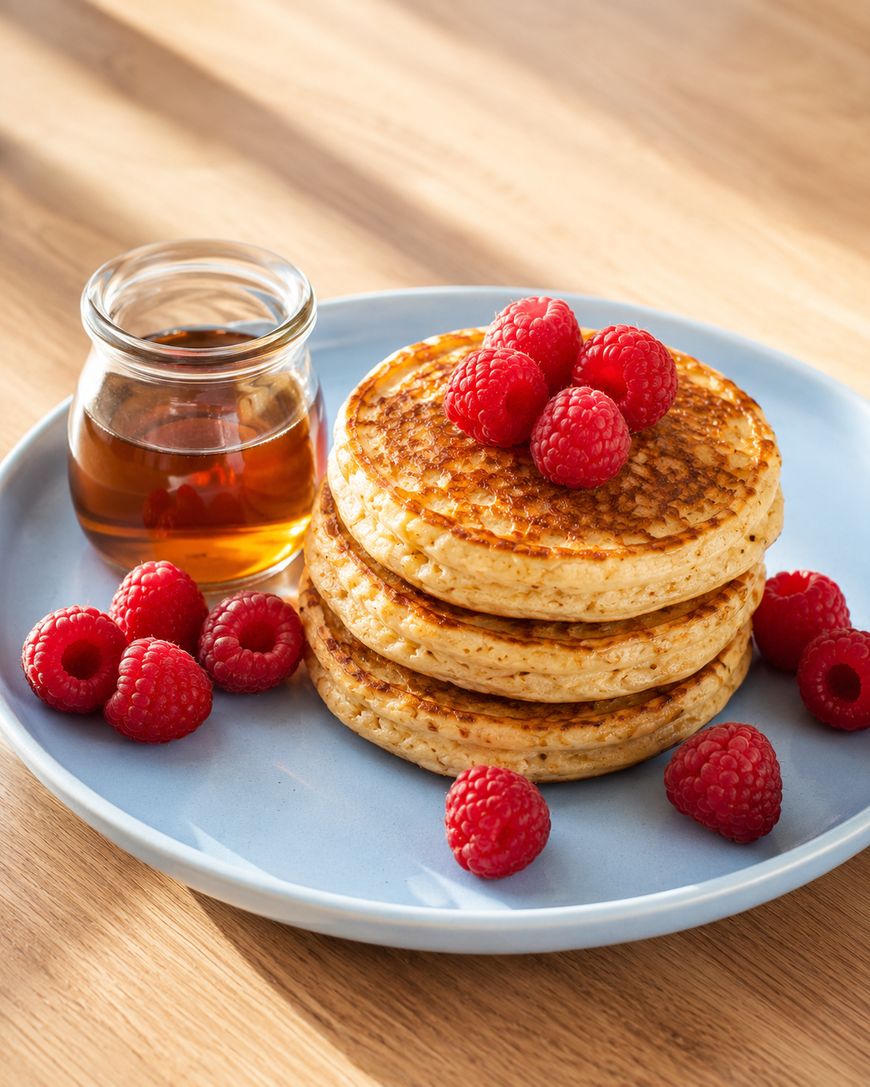
Scroll down to the recipe card below for exact measurements and step-by-step instructions.
What Makes Tofu the Secret Ingredient
Silken tofu is the key to this recipe’s texture and protein content. When blended, it becomes completely smooth and incorporates into pancake batter in a way that adds body without any beany flavor.
A single serving of silken tofu provides roughly 8 to 10 grams of protein on its own. Combined with eggs and oat flour, each pancake becomes a genuinely filling source of fuel rather than a light, airy carb that leaves you hungry again within the hour.
Why Silken Tofu Works Better Than Firm
Silken tofu blends into a liquid consistency, which is exactly what you need for smooth batter.
Firm tofu contains less water and stays chunky when blended, which can leave the finished pancakes dense and uneven. Silken tofu from brands like Mori-Nu or House Foods is shelf-stable, easy to find, and produces consistent results every time.
The Role of Oat Flour
Oat flour binds the batter without making it heavy. It has a mild, slightly sweet flavor that complements the tofu and pairs well with fruit toppings.
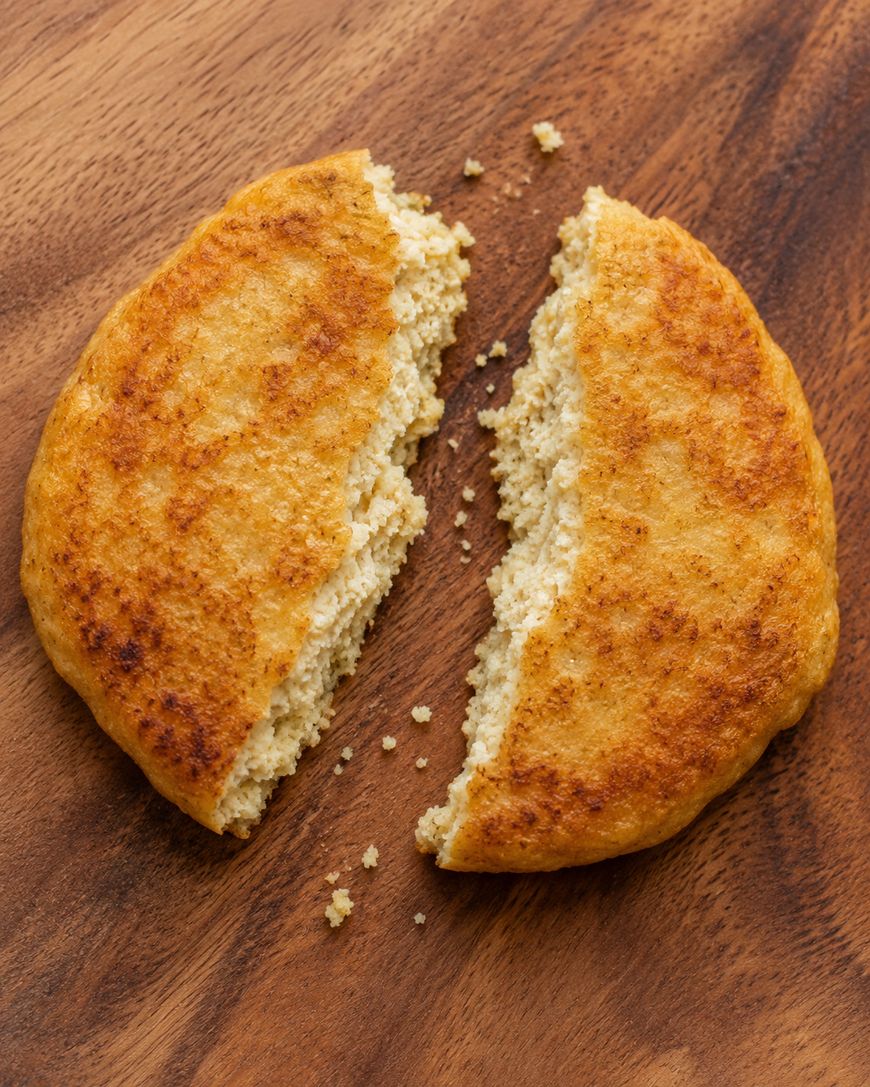
You can make oat flour at home by blending rolled oats in a high-speed blender like a Vitamix or Blendtec for about 30 seconds until a fine powder forms.
Ingredients You Will Need
The ingredient list is short and pantry-friendly. Most of these items are already in a standard kitchen.

The main components are silken tofu, eggs, oat flour, baking powder, a small amount of maple syrup, vanilla extract, and a pinch of salt. Optional add-ins include cinnamon, lemon zest, or a tablespoon of nut butter blended into the batter for extra richness.
Choosing Your Tofu
Firm silken tofu will produce a slightly denser pancake with more structure.
Soft silken tofu creates a thinner, more delicate pancake that spreads a little more in the pan. Both work well — firm silken is the more forgiving choice if you are new to this recipe.
Egg Options and Substitutions
Eggs provide additional protein and help the pancakes hold their shape.
For a vegan version, substitute one flax egg (one tablespoon ground flaxseed mixed with three tablespoons water, rested for five minutes) per egg. The pancakes will be slightly less fluffy but still hold together well on a non-stick surface.
How to Make Tofu Protein Pancakes
The process is straightforward and takes about 15 minutes from start to finish.
Step 1: Blend the Wet Ingredients
Add the silken tofu, eggs, maple syrup, vanilla extract, and salt to a blender.
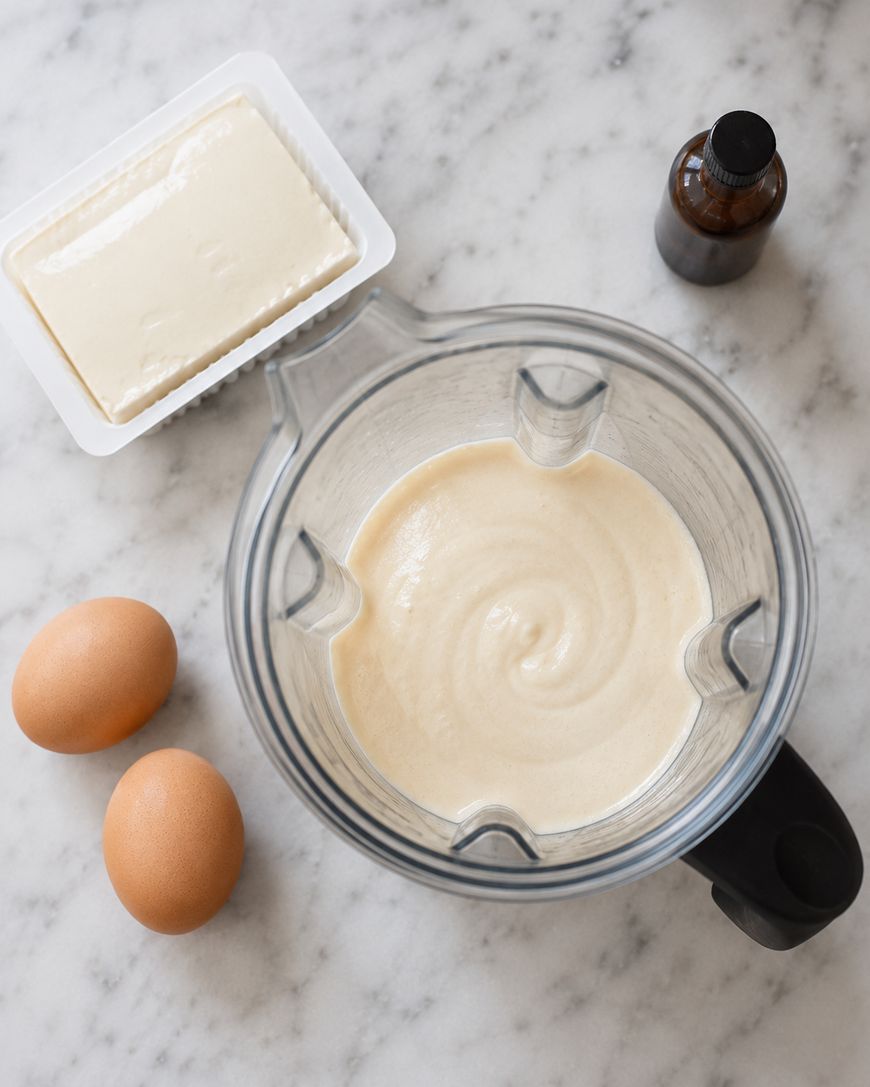
Blend on high for 20 to 30 seconds until completely smooth with no visible lumps. This step is important — any remaining tofu chunks will affect the final texture.
Step 2: Add the Dry Ingredients
Pour the oat flour and baking powder directly into the blender.
Pulse three or four times until just combined. Avoid over-mixing, which activates the gluten in the oat flour and makes the pancakes tough.
Step 3: Rest the Batter
Let the batter sit for three to five minutes before cooking.
This short rest allows the baking powder to activate and the oat flour to absorb some moisture, which results in thicker, fluffier pancakes.
Step 4: Cook on Medium Heat
Heat a non-stick skillet or griddle over medium heat and lightly grease with coconut oil or butter.
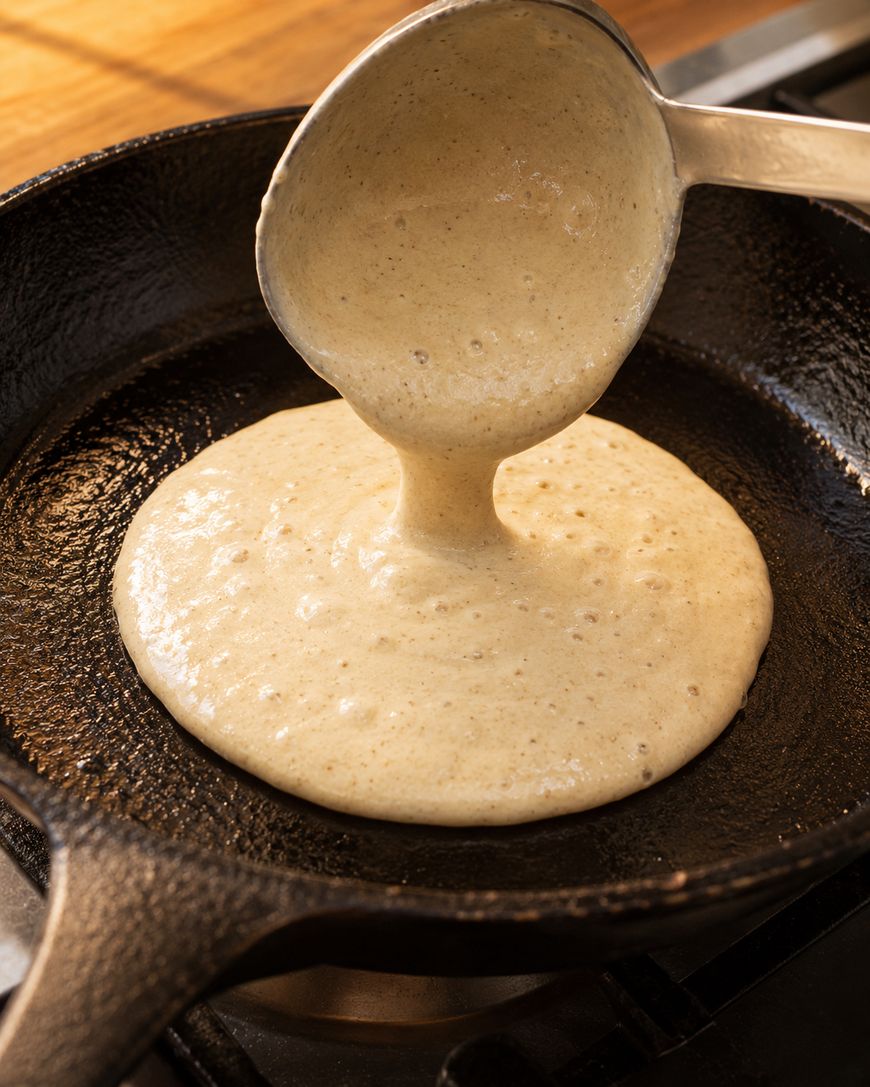
Pour approximately quarter-cup portions of batter onto the surface. Cook for two to three minutes until bubbles form across the surface and the edges look set, then flip and cook for another 60 to 90 seconds.
Tips for the Best Results
The most common mistake is cooking on heat that is too high. Medium heat gives the pancakes time to cook through before the outside browns.
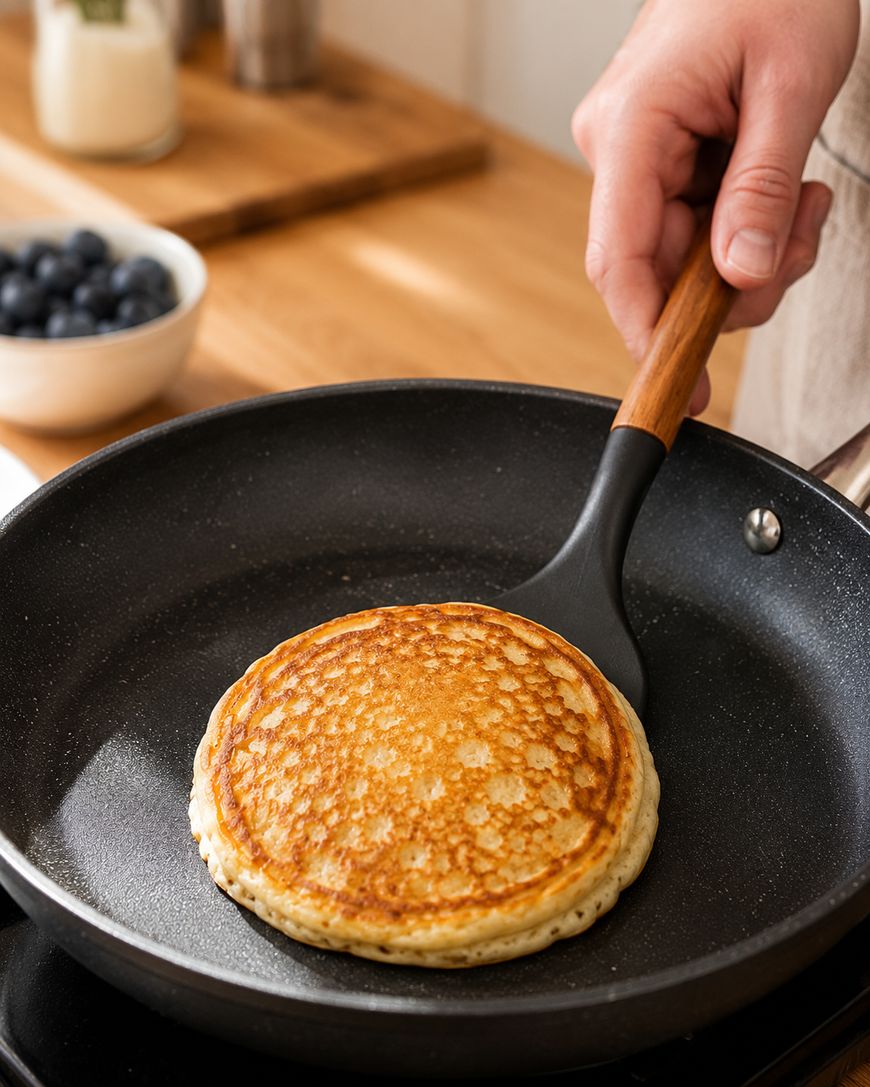
A well-seasoned cast iron pan or a quality non-stick like the GreenPan or Caraway will produce the best surface for flipping without sticking.
Variations and Flavor Options
This batter is a reliable base for several different flavor directions.
Blueberry Lemon
Fold fresh or frozen blueberries into the batter after blending and add one teaspoon of lemon zest.
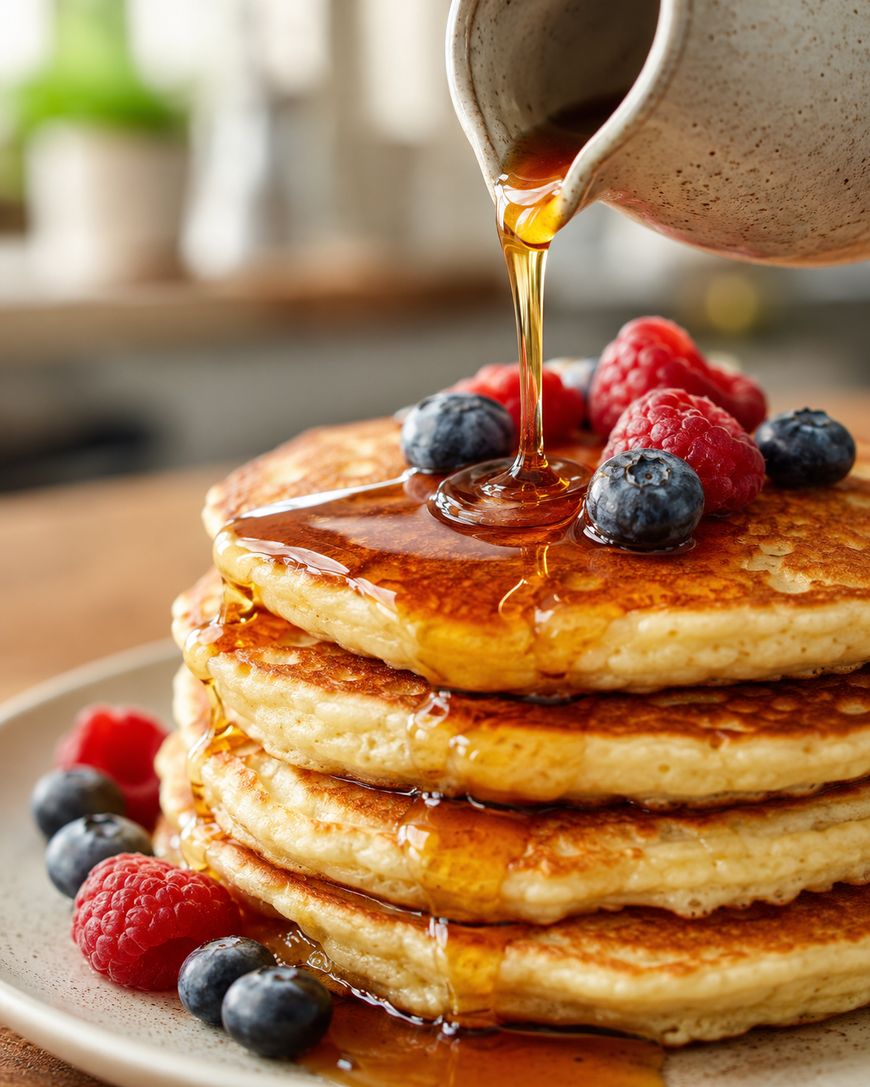
The acid from the lemon zest brightens the flavor and cuts through the richness of the tofu.
Chocolate Protein Pancakes
Add two tablespoons of unsweetened cocoa powder and an extra teaspoon of maple syrup to the batter.
Top with sliced banana and a drizzle of almond butter for a dessert-style breakfast that still hits the protein target.
Banana Cinnamon
Blend one ripe banana into the wet ingredients and add half a teaspoon of cinnamon.

The banana adds natural sweetness, which means you can reduce or eliminate the maple syrup entirely.
Storage and Meal Prep
These pancakes store well, which makes them a practical meal prep option.
Refrigerator Storage
Stack cooled pancakes with a small piece of parchment paper between each one to prevent sticking.

Store in an airtight container in the refrigerator for up to four days. Reheat in a toaster or dry skillet over medium-low heat for the best texture.
Freezer Storage
Freeze pancakes in a single layer on a baking sheet for one hour before transferring to a freezer-safe bag.
They keep well in the freezer for up to two months. Reheat directly from frozen in a toaster at a medium setting.
Serving Suggestions
These pancakes pair well with both sweet and savory toppings.
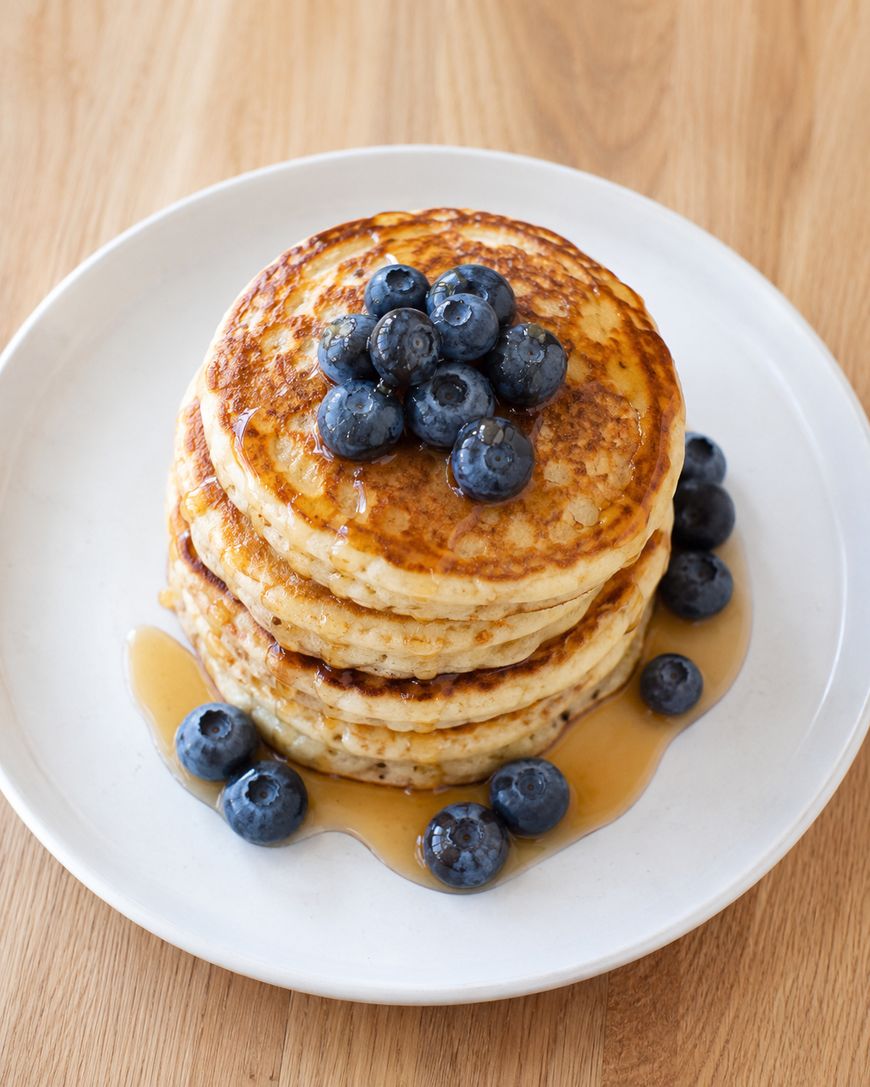
Coconut or soy yogurt with maple syrup and fresh berries adds even more protein to the plate — soy yogurt in particular carries a useful amount. A sprinkle of hemp seeds or a spoonful of almond butter works well for those looking to increase healthy fats alongside the protein.
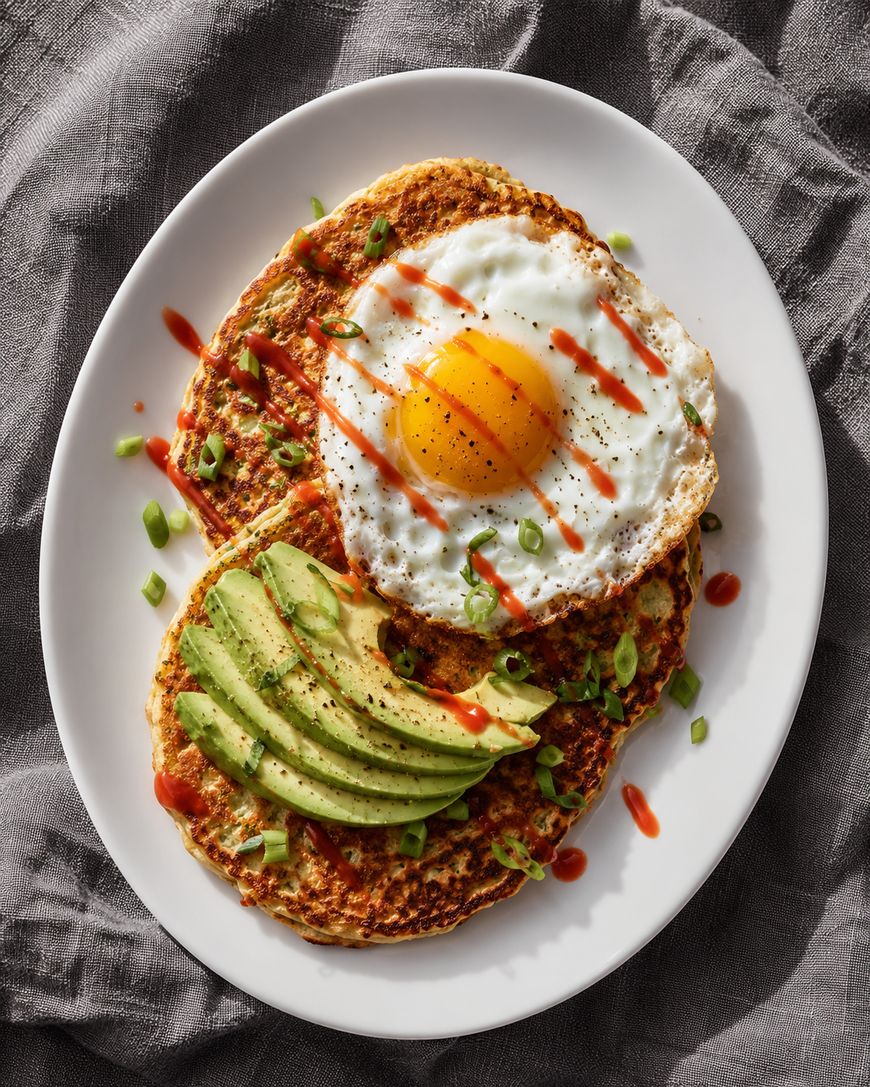
For a savory direction, skip the vanilla and maple syrup in the batter and serve with a fried egg, avocado, and a drizzle of hot sauce.
The Origin of Tofu in Breakfast Foods
Tofu has been a breakfast staple in East and Southeast Asian cuisine for centuries, most commonly served in the form of soft tofu soups in Japan and Korea, or warm douhua in China and Taiwan.
The incorporation of tofu into Western-style pancake recipes is a more recent development that gained traction in the natural foods movement of the 1970s and 1980s, particularly through publications like the Moosewood Cookbook and Diet for a Small Planet. Today the approach has evolved significantly, with food scientists and recipe developers using high-speed blenders to fully emulsify tofu into batters in a way that was not possible in home kitchens decades ago.
All the details you need to make this recipe are in the card below. Use it to scale servings, check timing, and keep the nutrition info handy while you cook.
Tofu Protein Pancakes

Fluffy tofu protein pancakes made with silken tofu, oat flour, and eggs. Vegetarian rather than vegan; swap each egg for a flax egg and cook in coconut oil for a fully plant-based version. Around 20 grams of protein per serving with no protein powder required.
Ingredients
- 300g (about 10.5 oz) silken tofu (firm or soft)
- 2 large eggs
- 1 tablespoon maple syrup
- 1 teaspoon vanilla extract
- 1/4 teaspoon salt
- 1 cup (100g) oat flour
- 1 1/2 teaspoons baking powder
- Coconut oil or butter for cooking
Instructions
- Add tofu, eggs, maple syrup, vanilla extract, and salt to a blender. Blend on high for 20 to 30 seconds until completely smooth.
- Add oat flour and baking powder to the blender. Pulse 3 to 4 times until just combined. Do not over-mix.
- Rest batter for 3 to 5 minutes.
- Heat a non-stick skillet over medium heat and grease lightly with coconut oil or butter.
- Pour approximately 1/4 cup portions of batter onto the skillet. Cook for 2 to 3 minutes until bubbles form and edges look set.
- Flip and cook for a further 60 to 90 seconds. Repeat with remaining batter.
Notes
For a vegan version, replace each egg with a flax egg (1 tablespoon ground flaxseed + 3 tablespoons water, rested 5 minutes). Batter can be made ahead and refrigerated overnight -- thin with 1 to 2 tablespoons water before cooking.
Nutrition Information:
Yield:
2Serving Size:
4 pancakesAmount Per Serving: Calories: 340Total Fat: 10gSaturated Fat: 2gSodium: 340mgCarbohydrates: 36gFiber: 4gSugar: 6gProtein: 21g
Frequently Asked Questions About Tofu Protein Pancakes
Can you taste the tofu in these pancakes?
No. When blended smoothly with vanilla and maple syrup, the tofu is completely undetectable in the finished pancake. Multiple testers have made these for family members who strongly dislike tofu, with no complaints.
The flavor profile is mild and slightly sweet, much like a standard buttermilk pancake, with a slightly denser crumb.
How much protein do tofu protein pancakes actually have?
A serving of four pancakes made with this recipe contains approximately 18 to 22 grams of protein, depending on egg size and the specific brand of silken tofu used.
This is significantly higher than a standard pancake recipe made with all-purpose flour and no protein additions, which typically contains around 6 to 8 grams per serving.
Can these be made gluten-free?
Yes. Oat flour is naturally gluten-free, but cross-contamination is common in facilities that process wheat.
For a certified gluten-free result, use oat flour specifically labeled gluten-free, such as Bob’s Red Mill Gluten Free Oat Flour. The recipe does not require any other flour so no substitution is needed beyond that labeling check.
Can the batter be made the night before?
Yes, with one small note. The batter thickens overnight as the oat flour continues to absorb moisture.
Stir in one to two tablespoons of water or milk before cooking to bring it back to a pourable consistency. The pancakes will still be fluffy.
What blender works best for this recipe?
Any blender that achieves a completely smooth consistency will work. A high-powered blender like a Vitamix or NutriBullet produces the smoothest result.
A standard countertop blender also works well when the tofu is soft silken variety. The key is blending for a full 20 to 30 seconds rather than just a few pulses.
Are these pancakes suitable for kids?
Yes. The mild, slightly sweet flavor is generally well-received by children, and the high protein content makes them a more sustaining breakfast option than standard pancakes.
The batter can also be used to make silver dollar-sized mini pancakes, which are easier for small children to handle.
Make These Tofu Protein Pancakes Part of Your Rotation
Tofu protein pancakes offer a practical solution for high-protein breakfasts without the chalky texture of protein powder or the heaviness of meat-based options.
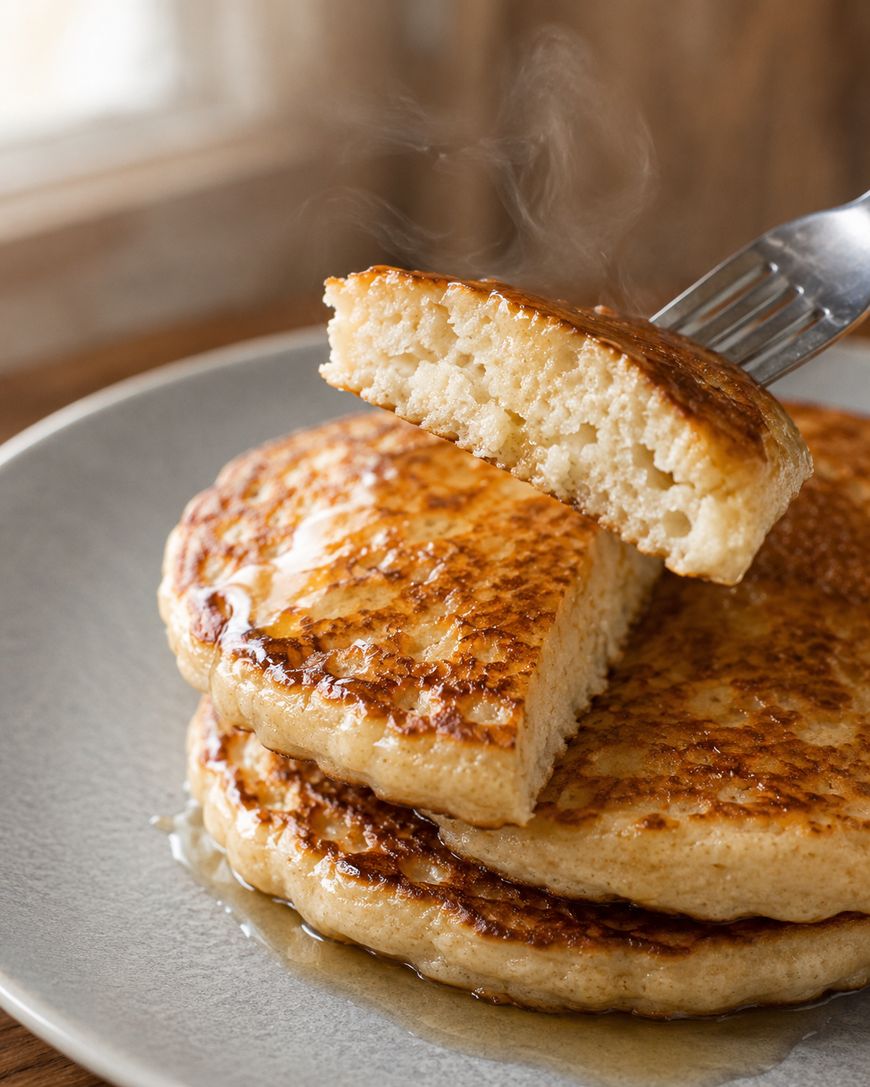
They fit naturally into meal prep routines, adapt easily to dietary preferences from vegan to gluten-free, and deliver real nutritional value in a format that feels indulgent rather than functional. Once this recipe becomes a staple, it is hard to go back to a standard stack.



Leave a Reply