If you are searching for wellness routine ideas that you can realistically stick with, you are in the right place. We are going to cover morning habits, movement practices, nutrition tips, sleep strategies, and mental health tools that work for real people with real schedules.
You do not need a two-hour morning ritual or an expensive gym membership to build a life-changing routine. What you need are simple, flexible practices that compound over time into something genuinely transformative.
Start Your Morning With Intention
The first 30 minutes of your day set the tone for everything that follows. When you begin with purpose instead of reacting to notifications, your mood, focus, and energy all improve.

A grounding morning routine does not have to be complicated. You can start by drinking a full glass of water before you reach for your phone, taking five deep breaths while your coffee brews, or stepping outside for a few minutes of natural light exposure.
Natural light in the morning helps regulate your circadian rhythm, which makes it easier to fall asleep at night and wake up feeling rested. Even cloudy days deliver enough light to signal your brain that it is time to be alert and focused.
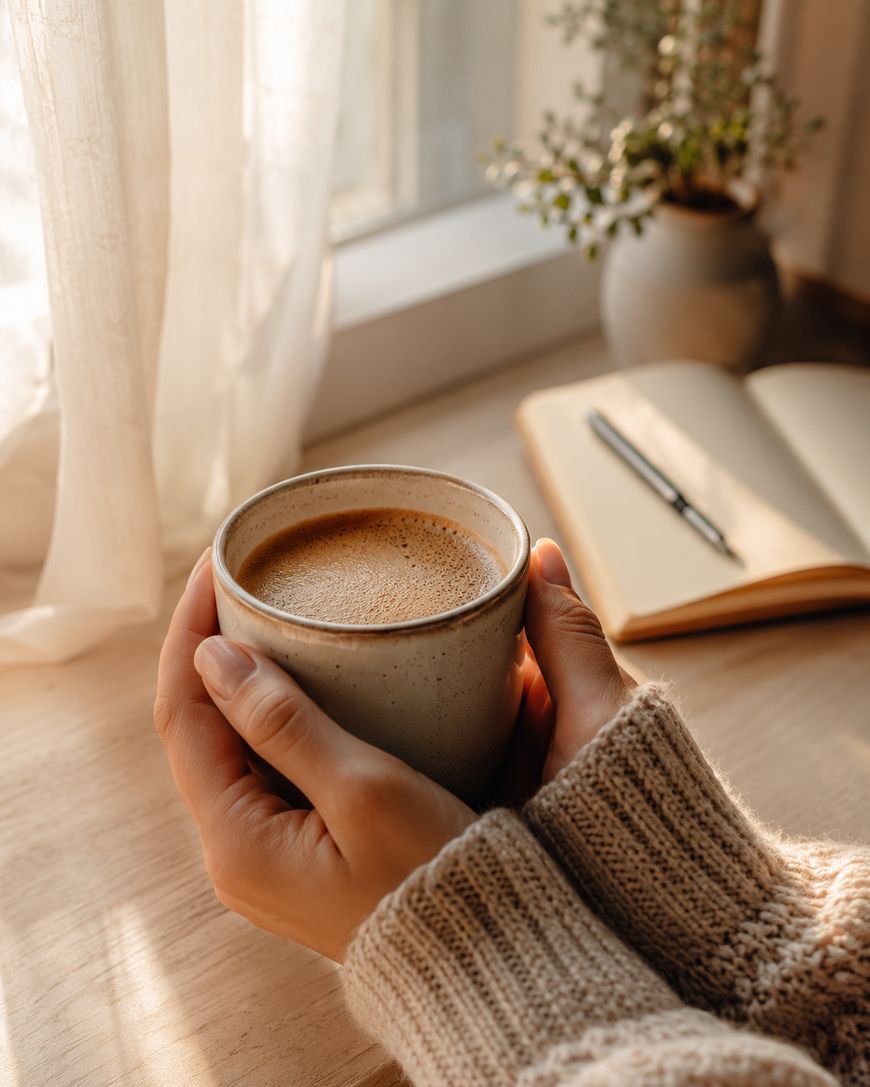
You might also try a quick body scan meditation, where you simply notice how each part of your body feels without trying to fix anything. This practice takes less than five minutes and builds self-awareness that carries through the rest of your day.
Journaling is another morning anchor that many people find grounding. Writing three things you are grateful for, one intention for the day, and one thing you are looking forward to takes under ten minutes and has been shown to improve emotional resilience over time.

The key is consistency over perfection. A five-minute morning routine you do every day will outperform an elaborate one you skip three times a week. Start with one habit, anchor it to something you already do, and build from there.
Movement as a Wellness Routine Cornerstone
You do not have to train like an athlete to experience the life-changing benefits of regular movement. Wellness routine ideas around exercise are most effective when they are enjoyable, sustainable, and varied enough to keep you engaged.

Walking is one of the most underrated forms of exercise available. A 20 to 30 minute walk after dinner lowers blood sugar, supports digestion, reduces cortisol, and gives your mind space to decompress from the day. You do not need gear, a gym, or a trainer.
Strength training two to three times per week is something we strongly recommend building into your routine, even if you are a beginner. Bodyweight exercises like squats, push-ups, and lunges build functional strength that protects your joints, supports metabolism, and improves posture as you age.
Yoga and stretching are powerful complements to more intense exercise. A short yoga flow in the morning or a 10-minute stretch before bed reduces muscle tension, improves flexibility, and signals your nervous system to shift out of fight-or-flight mode.

If you struggle to find motivation, try body-doubling by working out with a friend or following along with a video. You can also use a habit tracker to celebrate small wins, which builds momentum over time.
Dance, swimming, hiking, cycling, and recreational sports all count as valid forms of movement. The best exercise is the one you will actually do. Give yourself permission to experiment until you find what genuinely brings you energy rather than dread.
Nourishment That Supports Your Wellness Goals
Food is one of the most powerful tools you have for shaping how you feel each day. Wellness routine ideas around nutrition are not about restriction or perfection. They are about building consistent patterns that fuel your body and mind.

Starting your day with a protein-rich breakfast stabilizes blood sugar and prevents the mid-morning energy crash that sends so many people reaching for sugar. Nut butter on whole grain toast ais a simple option that take less than ten minutes to prepare.
Hydration is often the first thing that slips when life gets busy. Carrying a water bottle with you, setting a reminder to drink every hour, or adding electrolytes to your morning water are small habits that add up to a significant difference in energy, focus, and physical performance.

Building meals around whole foods most of the time does not require eliminating anything you love. When you prioritize vegetables, lean proteins, healthy fats, and complex carbohydrates, you naturally crowd out the processed foods that leave you feeling sluggish.
Mindful eating is another wellness practice worth building in. Slowing down, chewing thoroughly, and eating without screens allows your body to register fullness accurately, which reduces overeating and improves digestion. Even practicing this at one meal per day creates noticeable results.
Meal prepping on Sundays or batch cooking proteins and grains earlier in the week makes healthy eating easier when your schedule is packed. You do not need to prep every meal. Just having a few ready-to-go components in the refrigerator makes the difference between a nourishing dinner and a fast food run.
Evening Rituals That Reset and Restore
What you do in the hours before bed has an enormous impact on your sleep quality, morning energy, and overall wellbeing. Building an intentional evening wind-down is one of the highest-leverage wellness routine ideas available to you.

Starting to dim your lights and reduce screen exposure about an hour before bed signals your brain to begin producing melatonin. Blue light from phones and laptops suppresses this process, which is why so many people feel wired even when they are exhausted.
A warm shower or bath in the evening lowers your core body temperature as you cool down afterward, which is a natural cue for sleep. Adding Epsom salts or a calming essential oil like lavender can deepen the relaxation effect.
Reading a physical book, doing light stretching, or practicing a short guided meditation are all ways to transition your nervous system out of the stimulation of the day. These activities do not require any particular skill. They just require showing up and letting your mind decelerate.

Creating a consistent sleep schedule, where you go to bed and wake up at the same time every day, is one of the most scientifically supported wellness habits you can adopt. Your body runs on rhythms, and regularity dramatically improves sleep depth and duration.
Reducing alcohol in the evenings is worth mentioning here, even though it is not the most exciting advice. While alcohol may help you fall asleep faster, it disrupts sleep architecture in the second half of the night, leaving you less rested than if you had not had it at all.
Mental Health Practices for Lasting Wellness
Physical health and mental health are inseparable. A truly sustainable wellness routine addresses both, and the good news is that many of the most effective mental health tools are free and accessible right now.
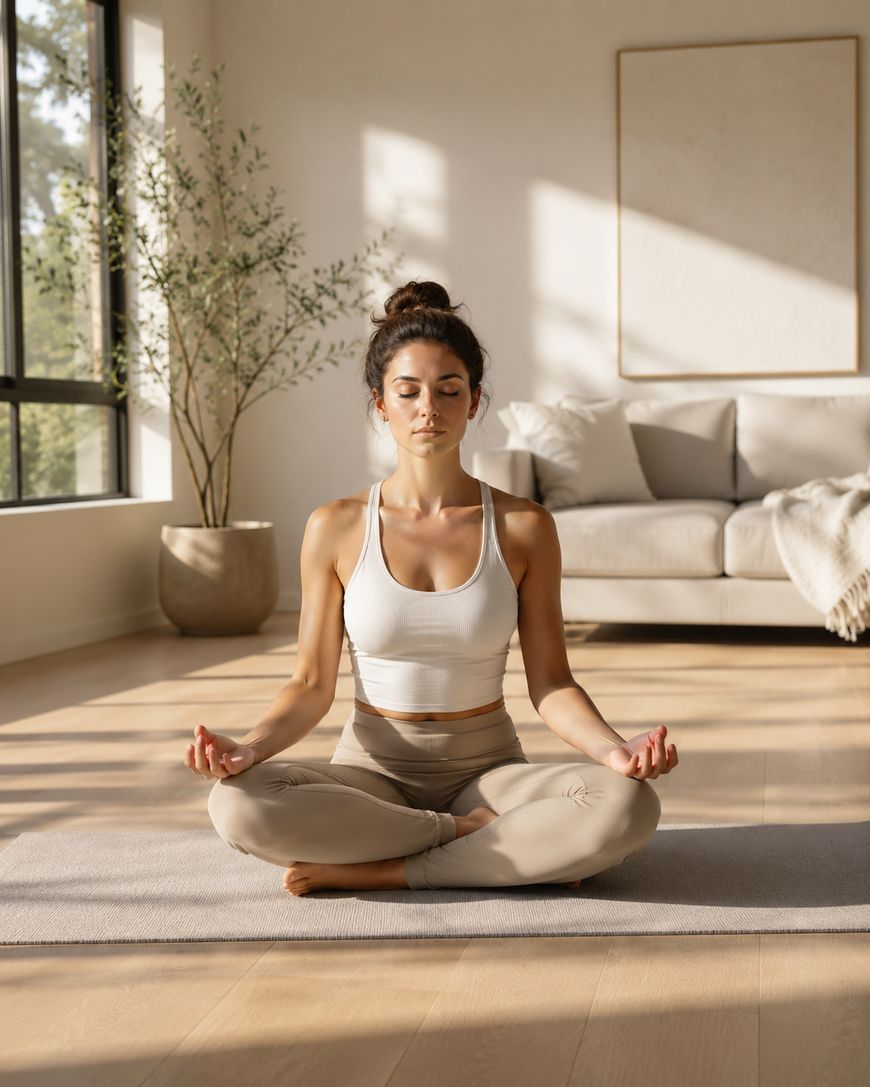
Breathwork is one of the fastest ways to shift your physiological state. Box breathing, where you inhale for four counts, hold for four, exhale for four, and hold for four, activates the parasympathetic nervous system and reduces anxiety within minutes. You can practice this anywhere, anytime.
Spending time in nature, even for short periods, measurably reduces cortisol, blood pressure, and rumination. A walk through a park, sitting near water, or simply tending to plants in your home all qualify. We are wired to feel calmer when we are connected to the natural world.
Social connection is a wellness practice that often gets left off lists focused on individual habits. Nurturing your relationships, scheduling regular time with people who energize you, and being intentional about community are all foundational to long-term mental and physical health.

Limiting news and social media consumption, especially in the morning and before bed, protects your mental bandwidth for the things that actually matter to you. You can stay informed without being constantly saturated in information that spikes cortisol and leaves you feeling helpless.
Therapy, coaching, and peer support groups are not signs of struggle. They are tools used by high-performing, deeply self-aware people who take their mental health as seriously as their physical health. If professional support is accessible to you, it is always worth exploring.
How to Build a Sustainable Wellness Routine
Knowing which wellness routine ideas resonate with you is only half the equation. The other half is implementation, which is where most people get stuck.
The biggest mistake people make is trying to overhaul everything at once. When you add too many new habits simultaneously, your willpower depletes quickly, and the whole system collapses. Instead, choose one anchor habit per week and stack others onto it gradually.
Tracking your habits with a simple journal, an app, or even a paper calendar creates accountability and helps you notice patterns. You can see which habits boost your energy, which times of day you are most consistent, and where your gaps are.
Flexibility is not the enemy of discipline. Building in one or two days of lighter structure per week prevents the all-or-nothing thinking that derails so many wellness routines. You are not failing when you miss a day. You are practicing the skill of returning.
Identity-based habit formation is a powerful framework. Instead of saying you want to exercise more, try thinking of yourself as someone who moves their body every day. Small actions that align with this identity reinforce it, and over time your behavior follows your belief about who you are.
Community makes everything easier. Whether that is a fitness class, a wellness challenge with friends, an online group, or a walking partner, shared commitment dramatically increases follow-through. Find your people and build your routine alongside them.
Frequently Asked Questions About Wellness Routine Ideas
How long does it take to build a wellness routine?
Research suggests it takes an average of 66 days to form a new habit, though the range varies widely depending on the behavior and the individual. Do not judge your progress at 21 days and assume you are doing it wrong. Give yourself at least two to three months of consistent effort before evaluating what is and is not working.
What is the most important wellness habit to start with?
Sleep is the foundation that makes every other wellness habit more effective. When you are well-rested, you make better food choices, have more energy to exercise, and are more emotionally regulated throughout the day. If you are overwhelmed about where to begin, start with improving your sleep schedule and build from there.
Can I build a wellness routine on a tight budget?
Absolutely. Walking, bodyweight exercise, home cooking, adequate sleep, breathwork, journaling, and time in nature are all free. Many of the most impactful wellness practices cost nothing at all. A wellness routine does not require expensive supplements, gym memberships, or specialty equipment to be effective.
How do I stay motivated when my routine falls apart?
Motivation is unreliable, which is why building systems matters more than relying on willpower. When your routine falls apart, aim to return to at least one anchor habit as quickly as possible rather than waiting for the “perfect” restart. Progress is not linear, and resilience is a skill you build by practicing it.
What is the difference between a wellness routine and a self-care routine?
Self-care tends to refer to restorative practices like rest, relaxation, and activities that recharge you. A wellness routine is broader and includes proactive habits around movement, nutrition, sleep, mental health, and preventive care. Both are valuable and can overlap significantly. Think of self-care as one important ingredient within a larger wellness framework.
How do I know if my wellness routine is working?
Pay attention to your energy levels, mood, sleep quality, and how you feel in your body. These are more reliable indicators than the scale or any single metric. Keep a simple log for a few weeks and look for trends. If you feel better, sleep better, and have more capacity for the things you care about, your routine is working.
Build Your Wellness Routine Starting Today
The best wellness routine ideas are the ones you actually implement. You do not need to be perfect, fully motivated, or completely ready before you begin.
Choose one practice from this guide that resonates with you, decide when you will do it tomorrow, and show up for that one commitment. Let that be enough for now, and let it grow from there.
Wellness is not a destination. It is a daily practice of choosing, again and again, to care for the body and mind you have. We are here for every step of that journey with you.
A simple meditation for beginners routine
Mindfulness activities for a busy day
This article is general information, not medical or nutritional advice. If you are pregnant, postpartum, managing a health condition, or new to exercise, check with your doctor or a registered dietitian before making changes.



Leave a Reply