High protein chia pudding solves the problem every plant-based breakfast eater knows well: chia pudding tastes great, but on its own it rarely carries enough protein to keep you full until lunch.
The full recipe card below gives you exact measurements and timing, so scroll down when you are ready to build your own jar.
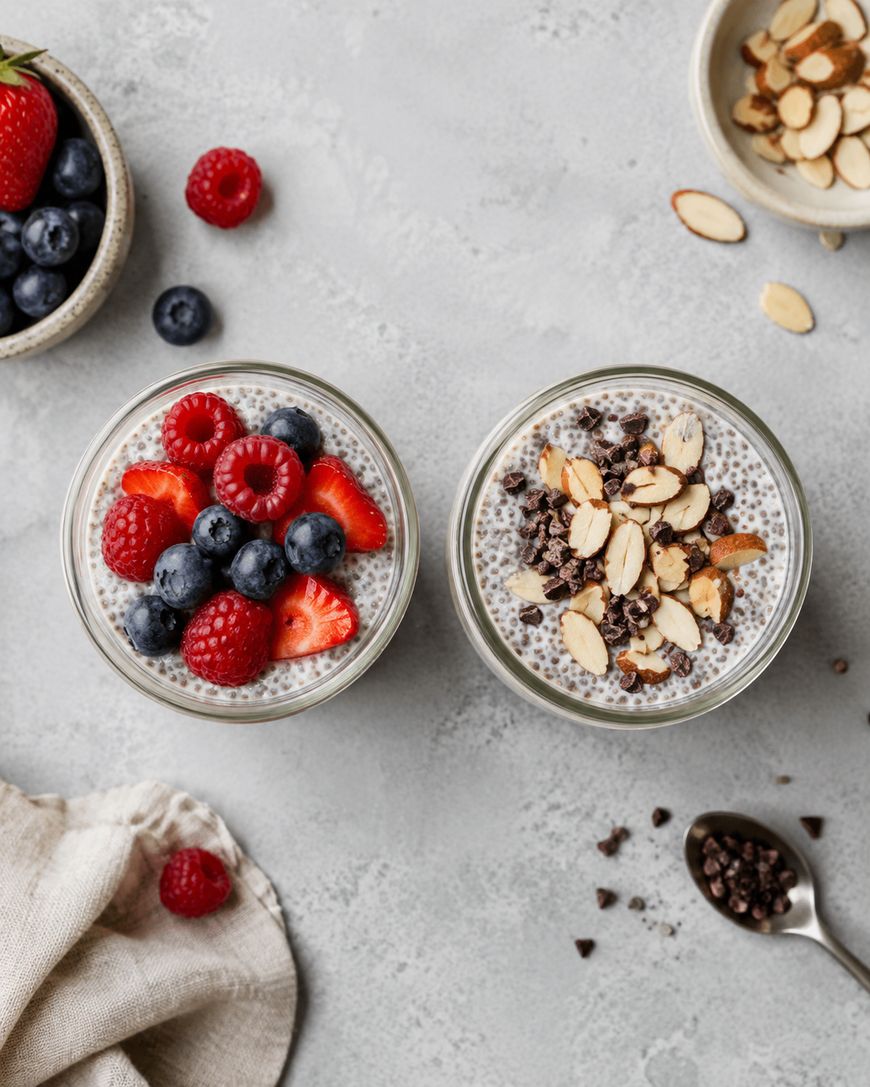
Why Chia Seeds Are the Base for This Recipe
Chia seeds absorb roughly ten times their weight in liquid, which is what gives chia pudding its signature thick, tapioca-like texture. A single tablespoon of chia seeds carries about 2.5 grams of protein and nearly 5 grams of fiber, so the seeds themselves are already pulling weight before any protein powder gets involved.

Black or white chia seeds both work identically here, so use whichever you have on hand. Bob’s Red Mill and Spectrum Essentials are both widely available brands that grind and pack seeds consistently, which matters more for uniform swelling than any flavor difference between the two.
Choosing a Plant Milk
Unsweetened soy milk is the strongest choice for high protein chia pudding because it carries about 7 grams of protein per cup, more than almond, oat, or coconut milk. Silk and Westsoy are two widely stocked brands that keep their soy milk free of added starches, which can otherwise make the pudding gummy instead of creamy.
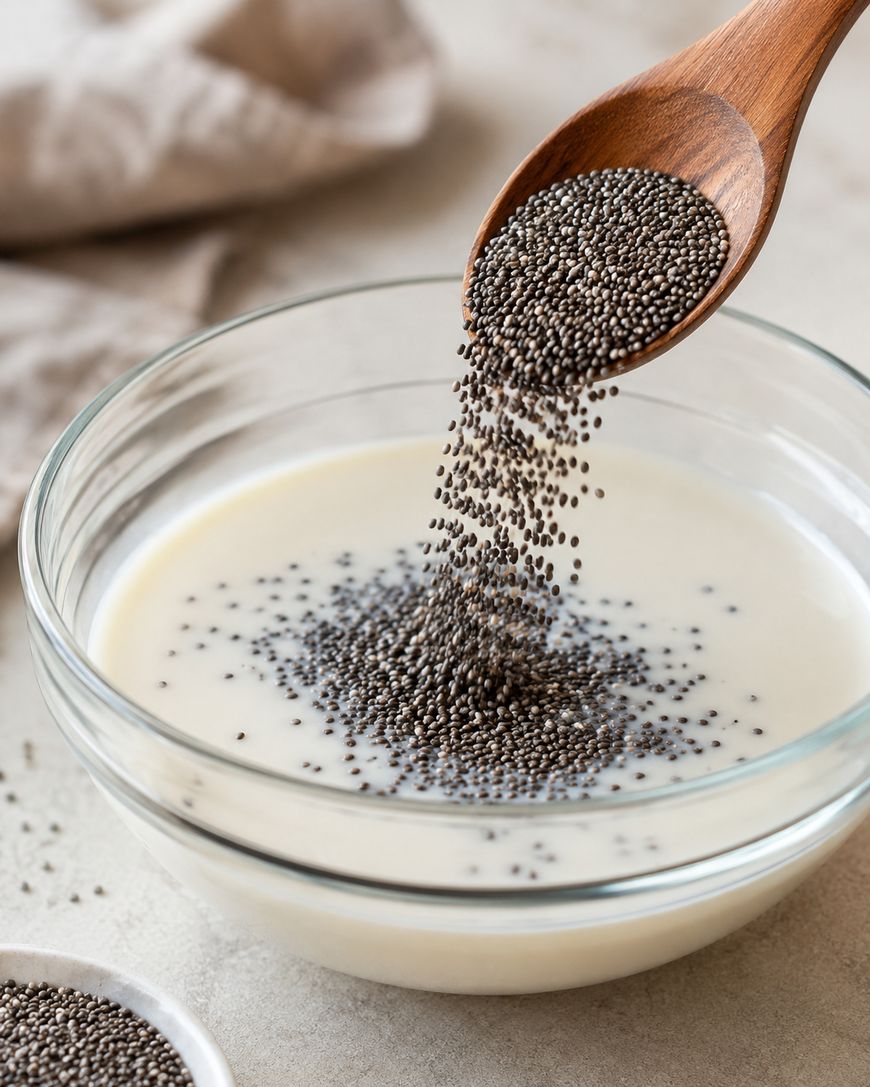
If soy is not an option in your kitchen, unsweetened pea milk from a brand like Ripple is the next best swap, since it also lands close to 8 grams of protein per cup. Oat milk works in a pinch, but you should expect a noticeably lighter protein count and a slightly sweeter finished pudding.
Building the Protein Boost
A scoop of unflavored or vanilla plant protein powder is what pushes this pudding from a light snack to a real meal. Vanilla pea protein blends, like those from Naked Nutrition or Orgain, dissolve smoothly into cold liquid without the chalky texture that some soy isolate powders leave behind.
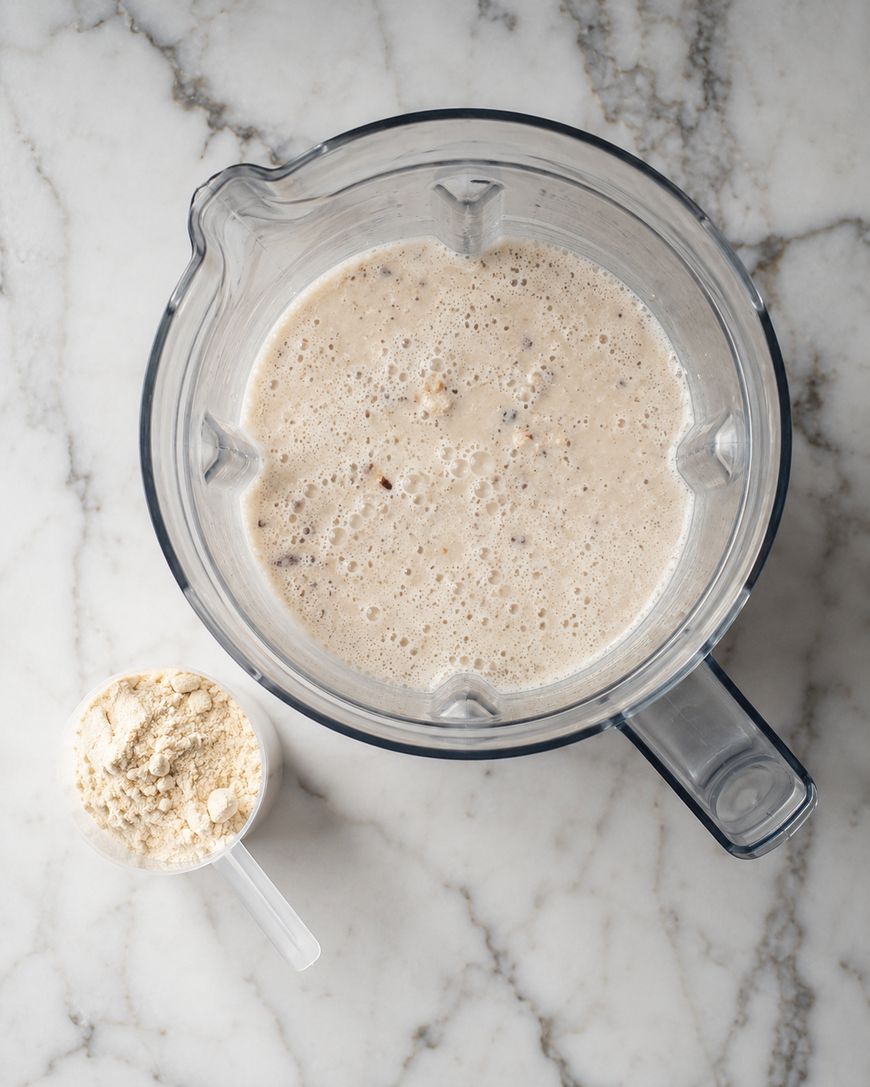
Whisk the protein powder into the plant milk before you add the chia seeds. This step matters more than it sounds: adding powder after the chia seeds have started to gel makes it nearly impossible to break up clumps, and you will end up chewing through pockets of dry powder instead of a smooth pudding.
Sweetening Without Added Sugar
Two soft dates blended into the milk mixture add natural sweetness along with a bit of fiber, and they disappear completely once blended. Pure maple syrup or a few drops of liquid stevia both work as faster alternatives if you do not have a blender handy.
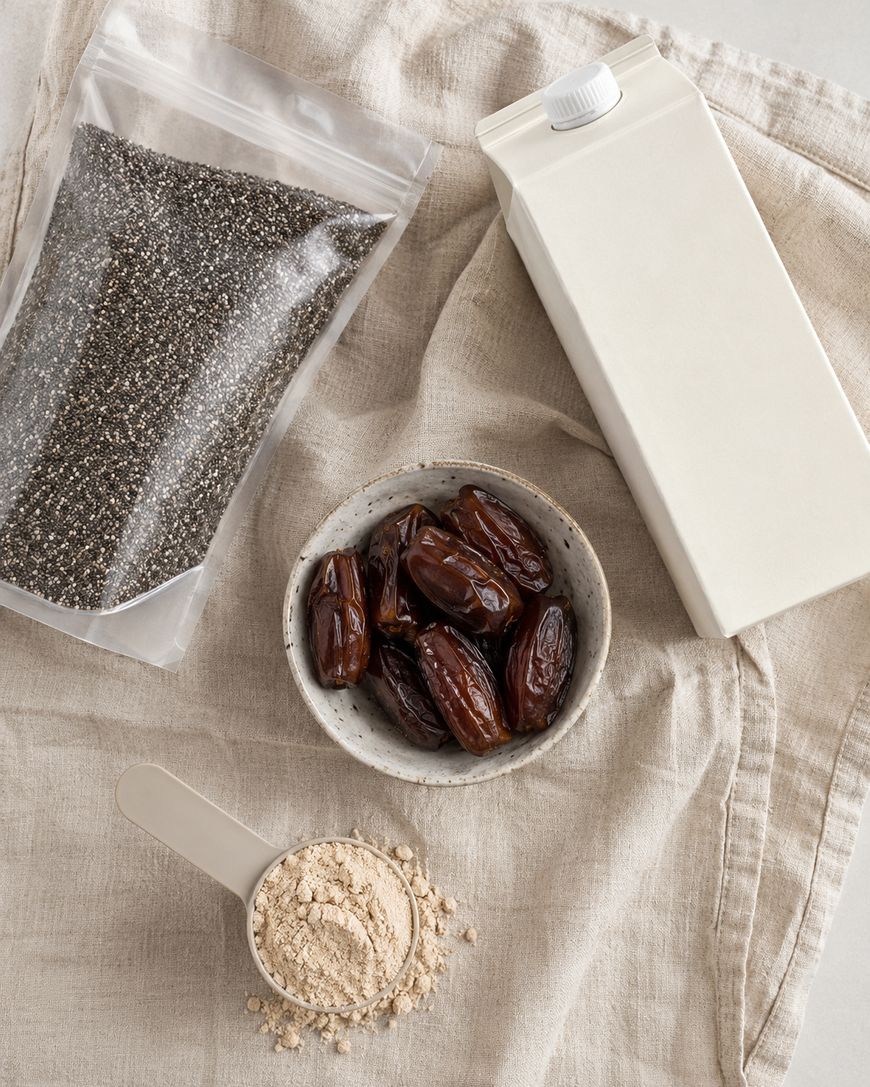
Taste the milk mixture before you stir in the chia seeds, since it is much easier to adjust sweetness at this stage than after the pudding has set overnight.
Mixing and Setting the Pudding
Combine your sweetened, protein-boosted plant milk with the chia seeds in a jar or bowl and whisk immediately and thoroughly. The seeds start absorbing liquid within minutes, so a quick second whisk about five minutes after the first prevents the clumping that leaves some seeds swollen and others still dry in the center.

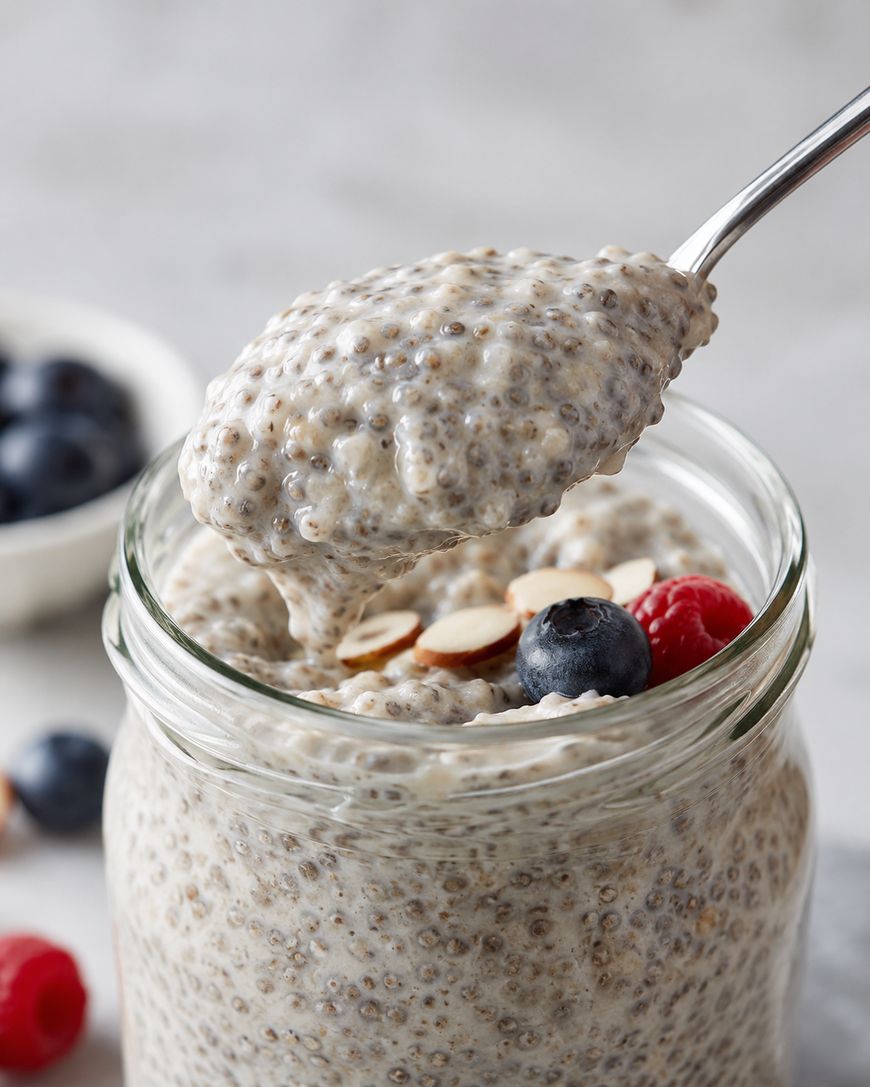
Cover the jar and refrigerate for at least four hours, though an overnight set produces the most reliably thick, spoonable texture. The pudding is ready when it holds its shape on a spoon rather than pooling like a thin liquid.
Getting the Texture Right
If your pudding turns out thinner than you like, stir in an extra tablespoon of chia seeds and let it rest for another thirty minutes. A pudding that sets too thick just needs a splash of plant milk stirred in right before serving to loosen it back up.
A Brief History of Chia Pudding
Chia seeds have been a staple food in Central America for thousands of years, prized by the Aztec and Maya civilizations for the sustained energy they provided during long journeys. The seeds were often mixed with water and consumed as a drink called chia fresca long before anyone was blending them into a dessert-style pudding.
The pudding format itself is a more recent adaptation, one that took off as chia seeds gained popularity in the 2010s as a whole food source of omega-3 fatty acids and fiber. Adding a protein powder boost is a newer twist still, driven by the rise of plant-based eating and the demand for breakfasts that support an active lifestyle without relying on dairy or eggs.
You are just a few steps from a jar of your own, and the recipe card below breaks the whole process into exact measurements and timing.
High Protein Chia Pudding
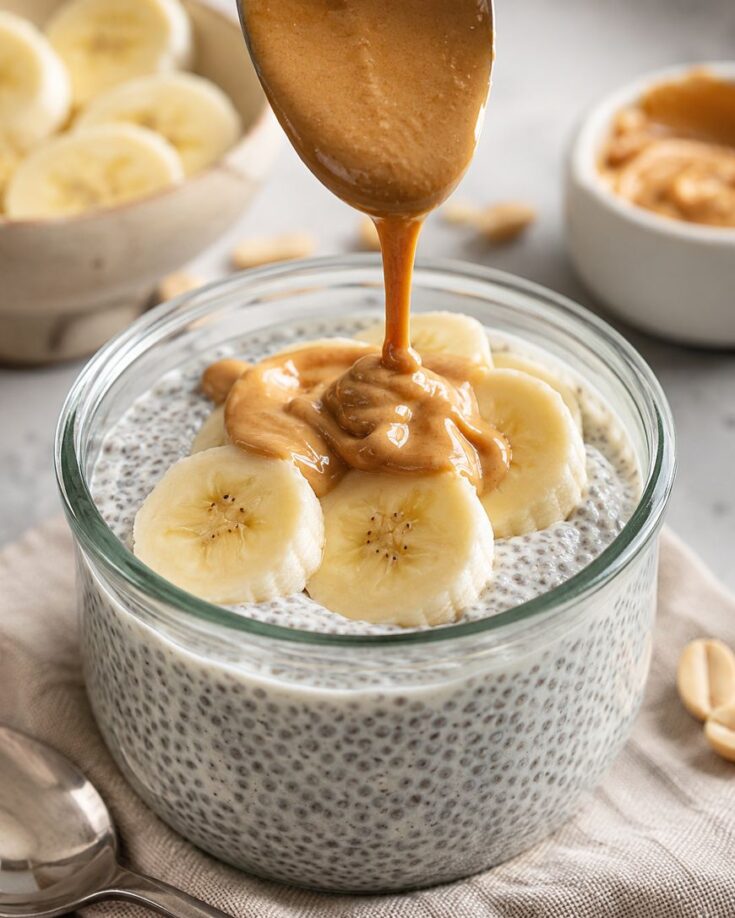
A creamy make-ahead chia pudding boosted with plant protein powder for over 20 grams of protein per serving, ready in five minutes of hands-on time.
Ingredients
- 2 cups unsweetened soy milk
- 1 scoop (about 30g) vanilla plant protein powder
- 1/2 cup chia seeds
- 2 soft medjool dates, pitted
- 1/2 teaspoon pure vanilla extract
- 1 pinch sea salt
Instructions
- Add the soy milk, pitted dates, vanilla extract, and sea salt to a blender and blend until completely smooth, about 30 seconds.
- Pour the blended mixture into a large bowl or jar and whisk in the plant protein powder until fully dissolved with no clumps.
- Add the chia seeds to the mixture and whisk thoroughly for about 1 minute to distribute the seeds evenly.
- Let the mixture sit for 5 minutes, then whisk again to break up any seeds that have started to clump together.
- Cover and refrigerate for at least 4 hours, or overnight, until the pudding has thickened and holds its shape on a spoon.
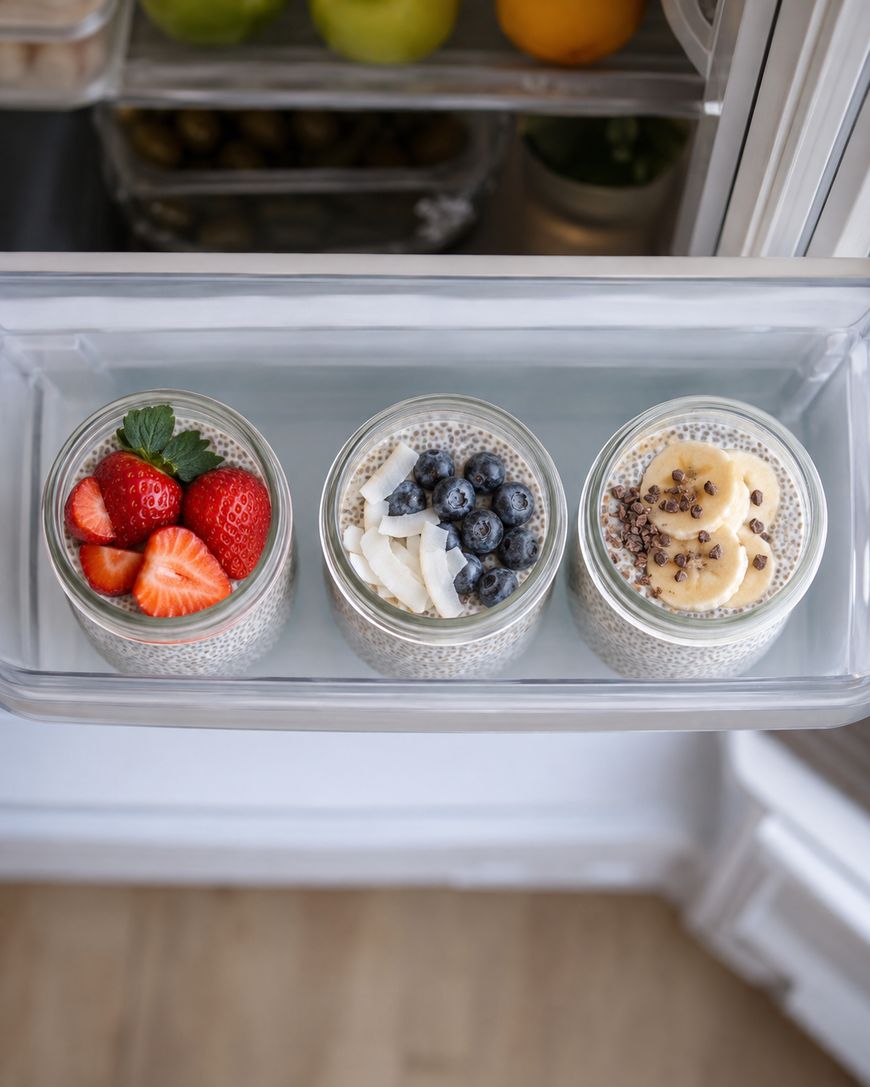
- Divide into two jars or bowls and top with fresh berries, sliced banana, or nut butter before serving.
Notes
For a thinner pudding, stir in extra plant milk 1 tablespoon at a time right before serving. For a thicker pudding, stir in an extra tablespoon of chia seeds and let it rest 30 more minutes before serving.
Nutrition Information:
Yield:
2Serving Size:
1 jar (about 1 cup)Amount Per Serving: Calories: 310Total Fat: 11gSaturated Fat: 1.5gSodium: 190mgCarbohydrates: 28gFiber: 12gSugar: 10gProtein: 22g
Frequently Asked Questions
How much protein does this chia pudding actually have?
A single serving delivers around 22 grams of protein when made with unsweetened soy milk and a full scoop of plant protein powder. That number can shift a few grams depending on which protein powder brand you use, so check the label on your specific product if you are tracking closely.
Can I make high protein chia pudding without protein powder?
Yes, though the total protein count will drop closer to 10 grams per serving. Swapping in extra chia seeds, a spoonful of almond butter, or silken tofu blended into the milk are all ways to nudge the protein back up without a powder.
How long does this pudding keep in the fridge?
This chia pudding stays fresh for up to five days when stored in a sealed jar in the refrigerator. The texture holds up well throughout, though you may want to stir in a splash of plant milk after day three if it thickens further than you like.
Can I freeze chia pudding?
Freezing is not recommended, since the seeds tend to separate from the liquid as they thaw and the texture turns grainy instead of smooth. This pudding is best made in a batch you can finish within the five-day fridge window.
What toppings work best on high protein chia pudding?
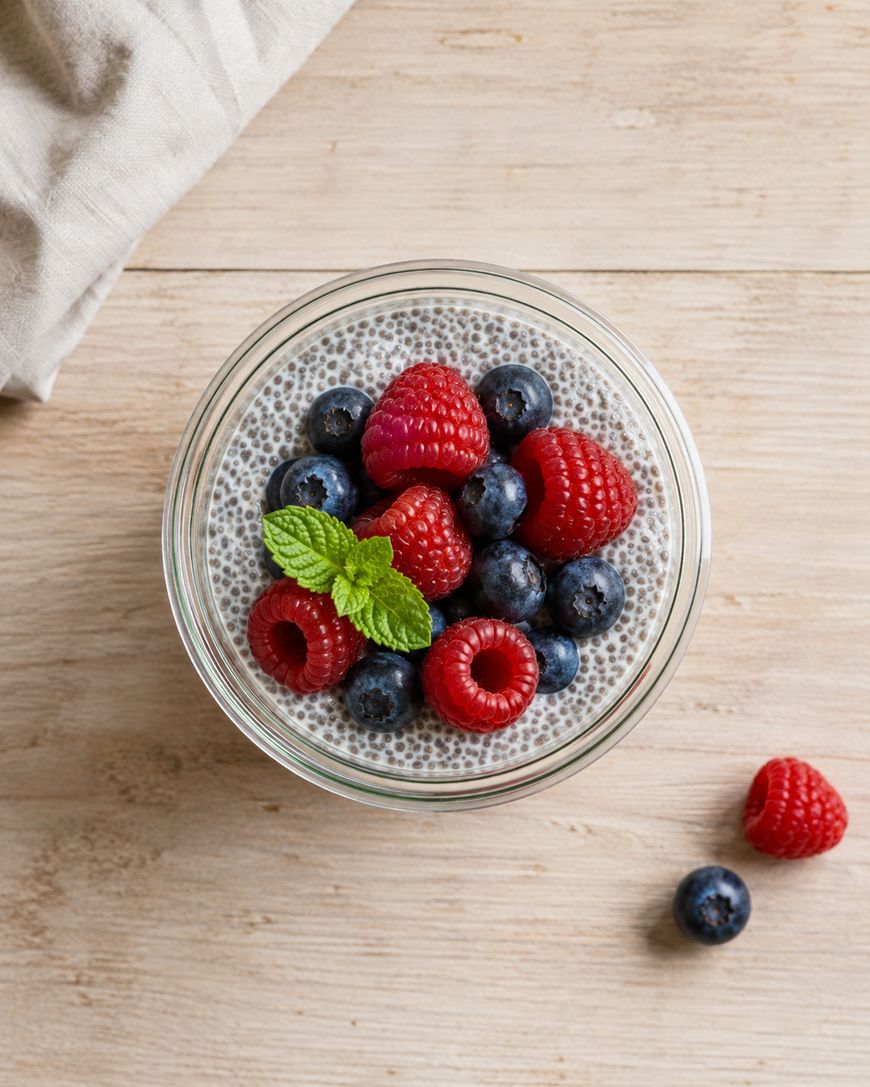
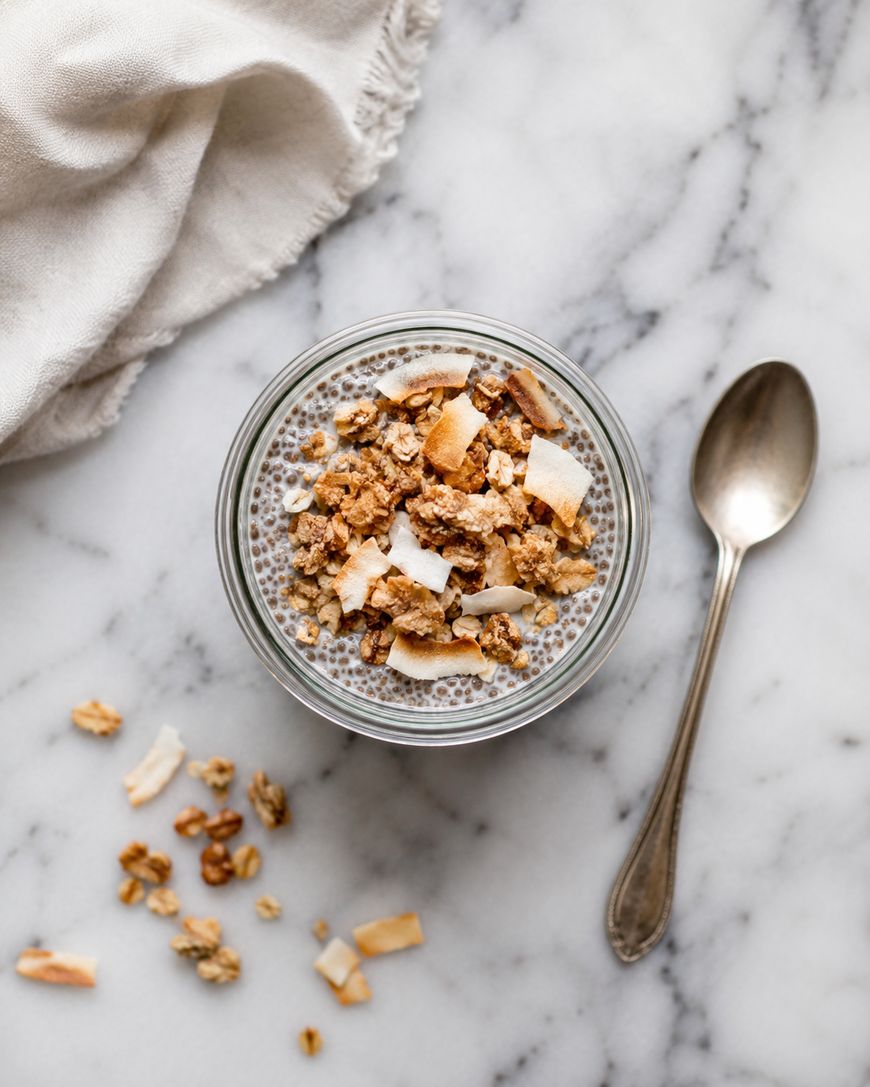
Fresh berries, sliced banana, and a spoonful of natural peanut butter are reliable toppings that add flavor without much extra prep. A sprinkle of granola or toasted coconut flakes also adds a welcome crunch against the pudding’s soft texture.
Is this recipe gluten free?
Yes, chia seeds, plant milk, and most plant protein powders are naturally gluten free. Always check your specific protein powder label if you are cooking for someone with celiac disease, since cross-contamination policies vary by brand.
Bringing It All Together
High protein chia pudding turns a simple pantry staple into a make-ahead breakfast that actually supports your day instead of leaving you hungry by mid-morning. With five minutes of prep and a few hours in the fridge, you get a creamy, customizable jar ready whenever you need it.


Leave a Reply