This silken tofu ice cream recipe delivers a scoopable, velvety frozen dessert without a drop of dairy — the recipe card below walks through every detail, but read on first for tips that make a real difference.
Silken tofu blends into a base so smooth that most people cannot tell it from a cream-heavy custard, and the method requires no cooking and no ice cream machine.
What Makes Silken Tofu the Right Base for Dairy-Free Ice Cream
Silken tofu — the soft, custard-set variety sold in shelf-stable Tetra Pak cartons or refrigerated tubs — contains a protein structure that holds air and emulsifies fat in a way that loose liquids cannot.
Brands such as Mori-Nu and Nasoya produce firm silken tofu with a moisture content close enough to heavy cream that the frozen texture stays creamy rather than icy.
The key difference from regular (water-packed) tofu is the coagulation method: silken tofu sets as a gel inside its container without pressing or draining, which preserves the smooth, pudding-like consistency that makes it ideal for blending into a frozen dessert base.
Choosing the Right Silken Tofu
Firm silken tofu produces a denser, more scoopable result; soft silken tofu works better for a softer-serve texture that melts on the spoon.
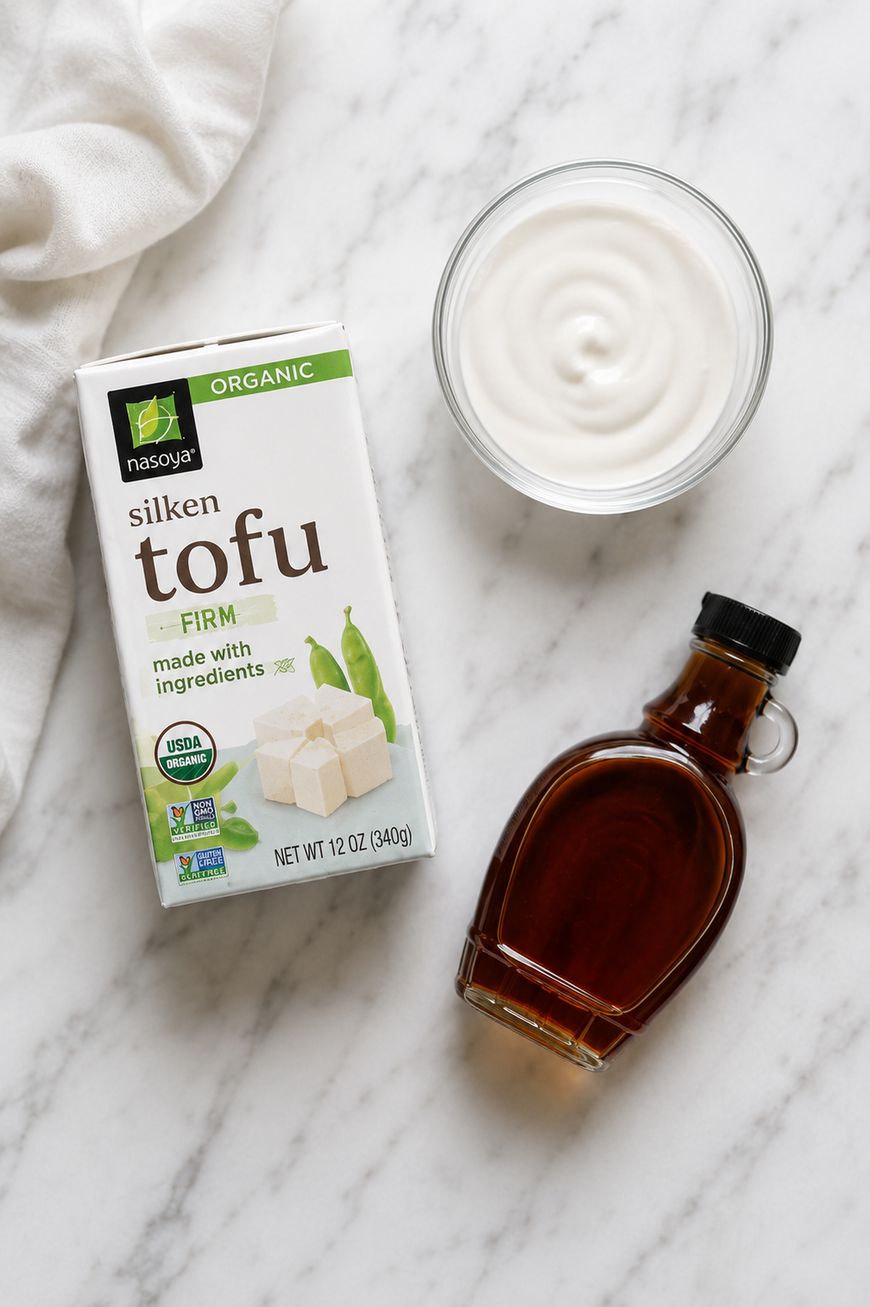
Extra-firm silken tofu can be used but may require an extra tablespoon of plant-based milk to thin the blend enough for the processor to work efficiently.
Avoid water-packed firm tofu sold in refrigerated tubs with a pressing-drainage design — those varieties are grainy when frozen and will not produce the smooth result this recipe depends on.
Fat Content and Creaminess
Coconut cream (the thick layer skimmed from a refrigerated full-fat can of Kula or Aroy-D coconut milk) adds saturated fat that freezes into a creamy, rather than crystalline, structure.
Cashew butter from brands such as Artisana or Once Again contributes both fat and a neutral richness that rounds out the tofu flavor without adding a distinct nut taste.
One tablespoon of refined coconut oil — neutral in flavor, unlike virgin coconut oil — can be stirred into the blend to further improve the final scoopability after freezing.
Ingredients for Silken Tofu Ice Cream
The base requires one 12-ounce package of firm silken tofu, one-third cup of coconut cream, one-third cup of maple syrup (Grade A amber for a milder sweetness, or Grade B dark for a more pronounced caramel note), one teaspoon of pure vanilla extract, and a pinch of fine sea salt.
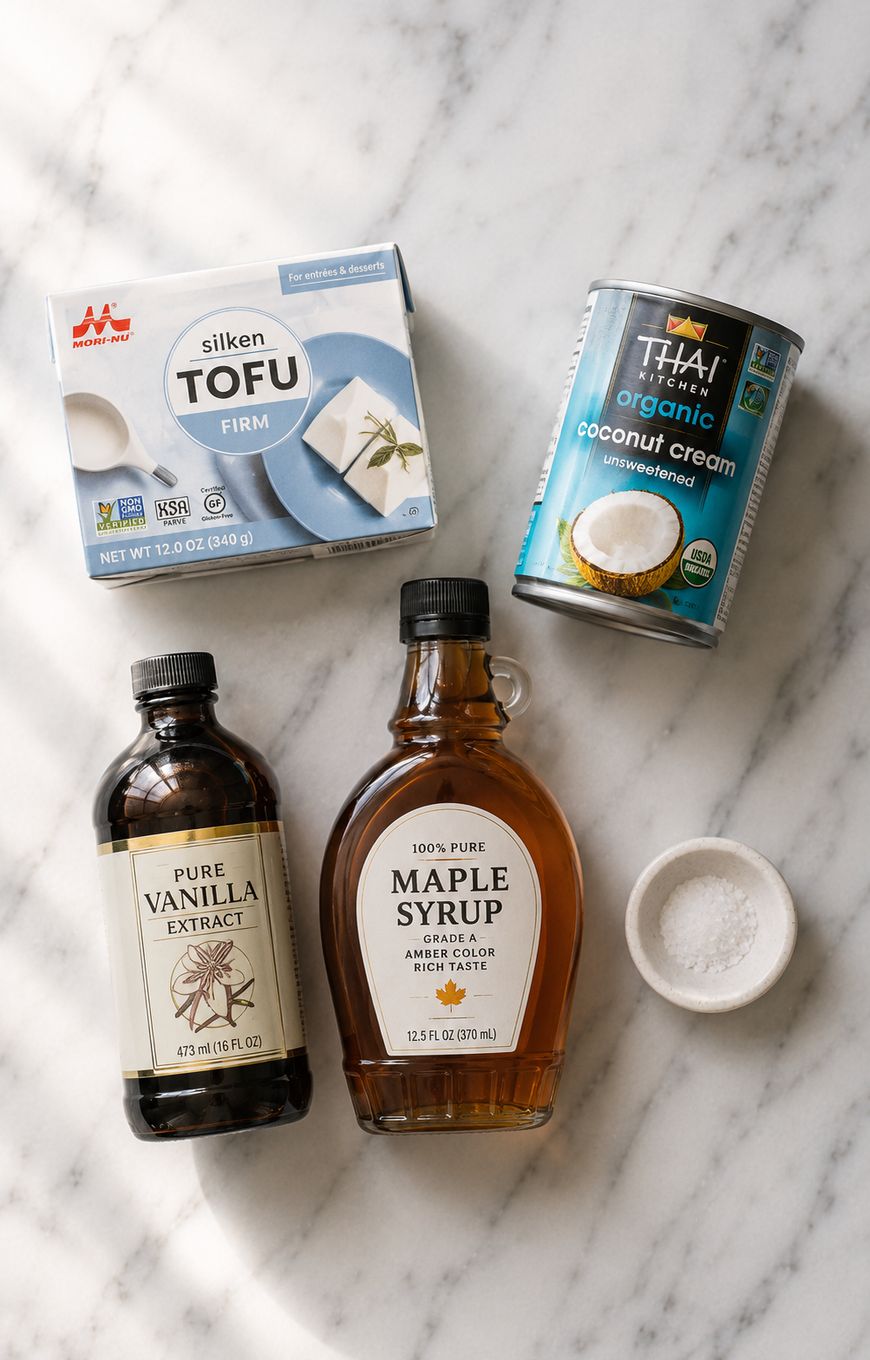
Maple syrup is preferred over granulated sugar because it is already dissolved, which prevents the grainy texture that undissolved sugar can create in a blended frozen dessert.
Agave nectar or light corn syrup can replace maple syrup at a 1:1 ratio; date syrup works too, though it brings a deeper caramel note that some palates find overpowering next to tofu’s mild flavor.
Optional Add-Ins and Swirl Variations
Cocoa powder (two to three tablespoons of Dutch-process for the deepest flavor) blended into the base produces a chocolate version with an intensity comparable to commercial dark chocolate gelato.
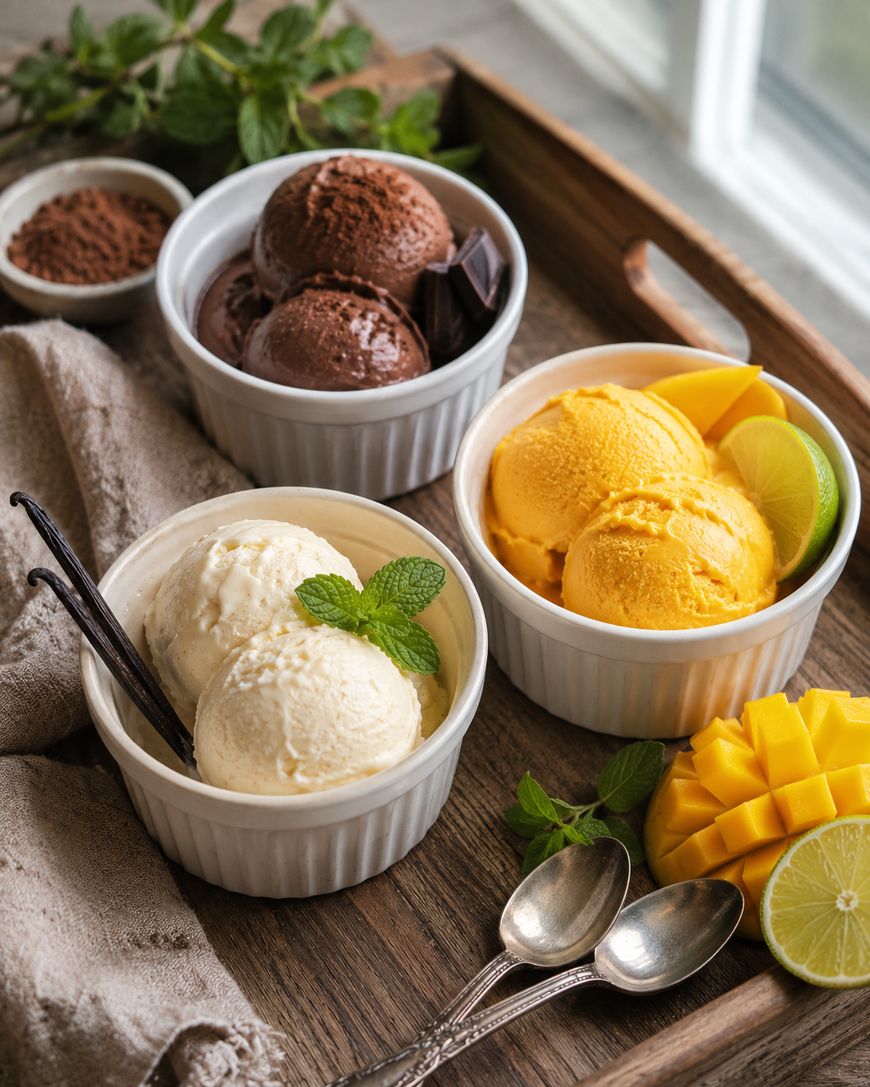
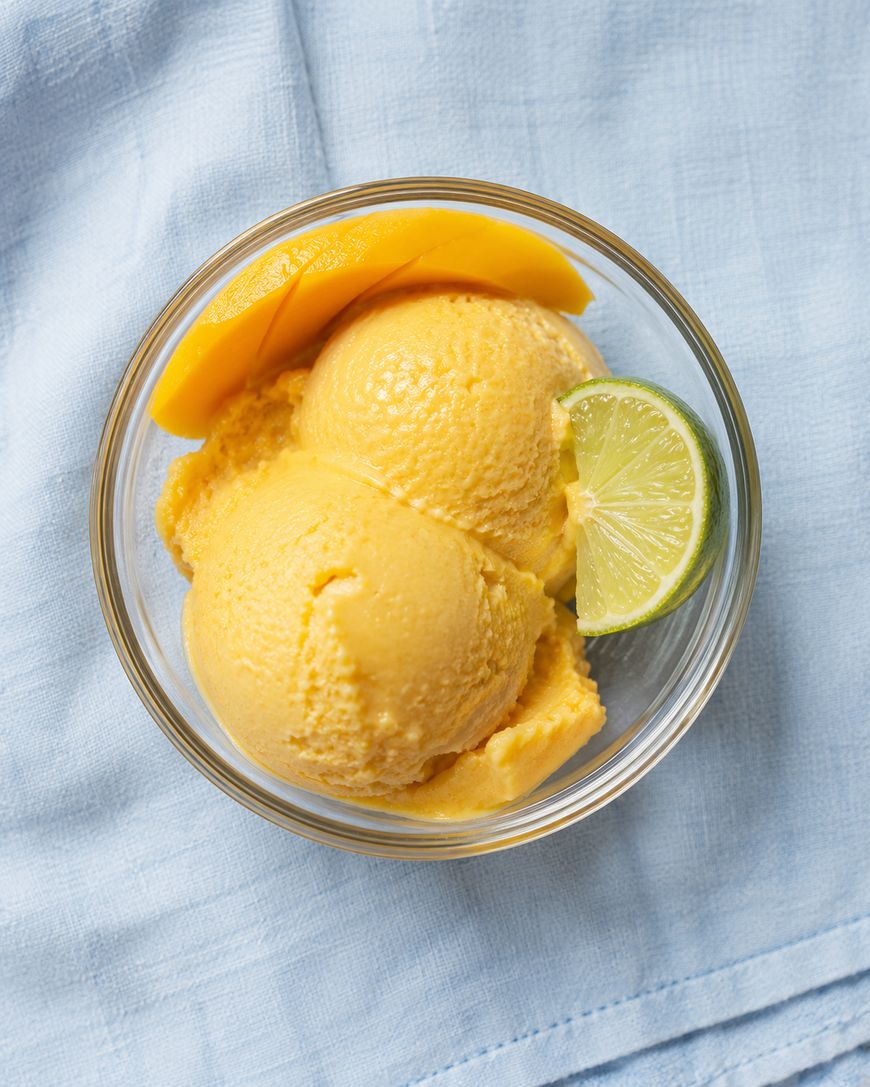
Fresh or frozen mango (half a cup, thawed if frozen) blended in replaces the vanilla and creates a tropical variation that pairs well with a squeeze of lime juice added just before freezing.
A ribbon of peanut butter, almond butter, or tahini swirled in after blending — not blended fully — creates pockets of concentrated flavor throughout the finished pint.
How to Make Silken Tofu Ice Cream Step by Step
The entire method takes under ten minutes of active preparation; the freezer does the rest over four to six hours.
Step 1: Drain and Blend
Open the tofu package and drain any liquid from the surface, then add the tofu directly to a high-speed blender such as a Vitamix or Blendtec, or a food processor fitted with the standard blade.
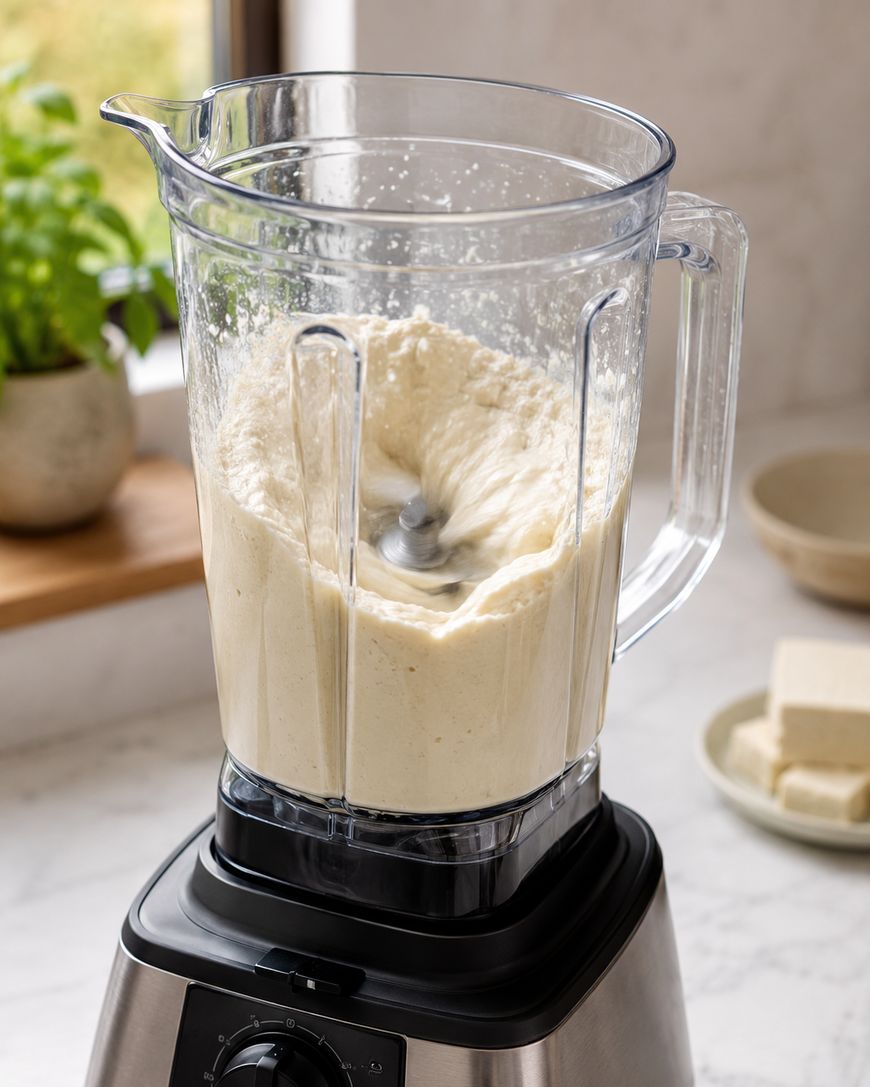
Add the coconut cream, maple syrup, vanilla extract, and sea salt, then blend on high for sixty to ninety seconds until the mixture is completely smooth and no visible tofu curds remain.
Stop and scrape the sides at least once during blending to ensure a uniform consistency — any unblended pockets will freeze as icy lumps rather than creamy pockets.
Step 2: Taste and Adjust
Taste the blend before freezing, because flavor intensity mutes significantly once the mixture is cold and frozen — the sweetness and vanilla that taste correct at room temperature will seem mild once scooped.
Adjust maple syrup by the tablespoon if the base tastes flat, and add a second pinch of sea salt if the sweetness feels one-dimensional.
A few drops of almond extract alongside the vanilla adds a depth that mimics the richness of an egg-yolk custard without any additional fat.
Step 3: Freeze in a Loaf Pan
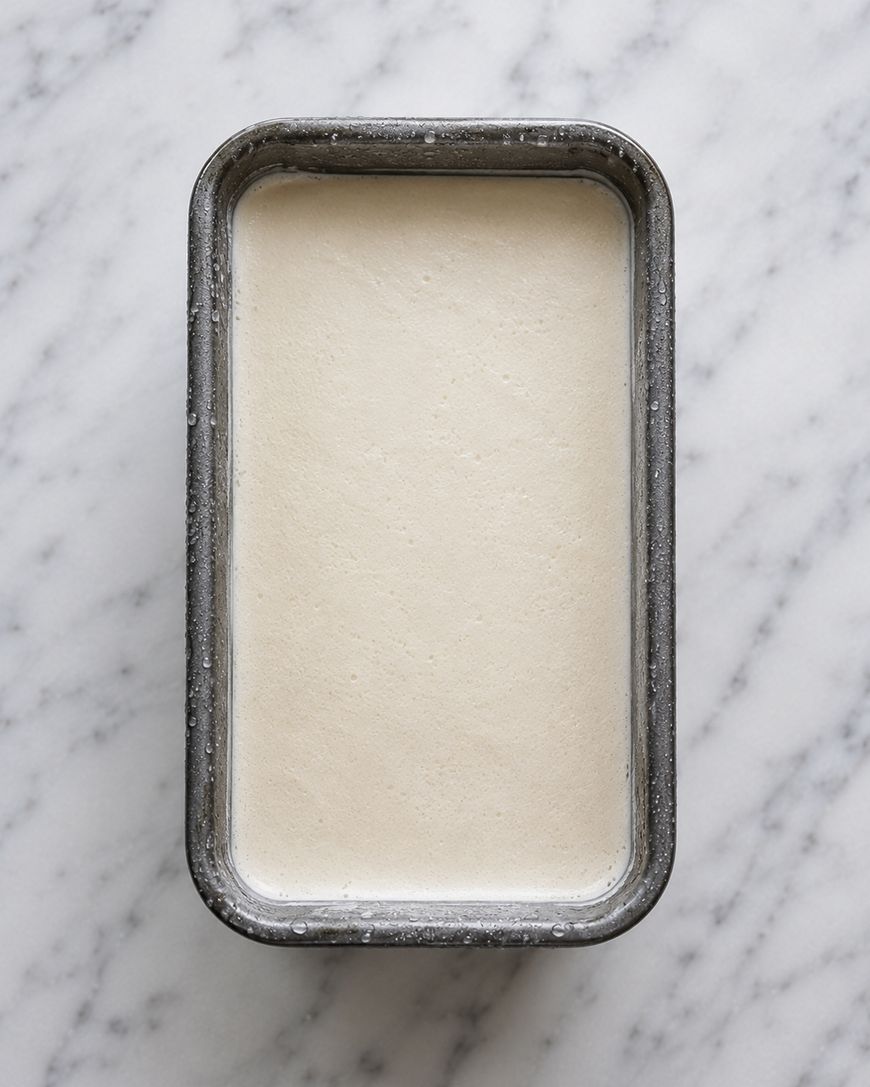
Pour the blended base into a standard 9×5-inch loaf pan lined with parchment paper, pressing the paper into the corners so the finished block releases cleanly.
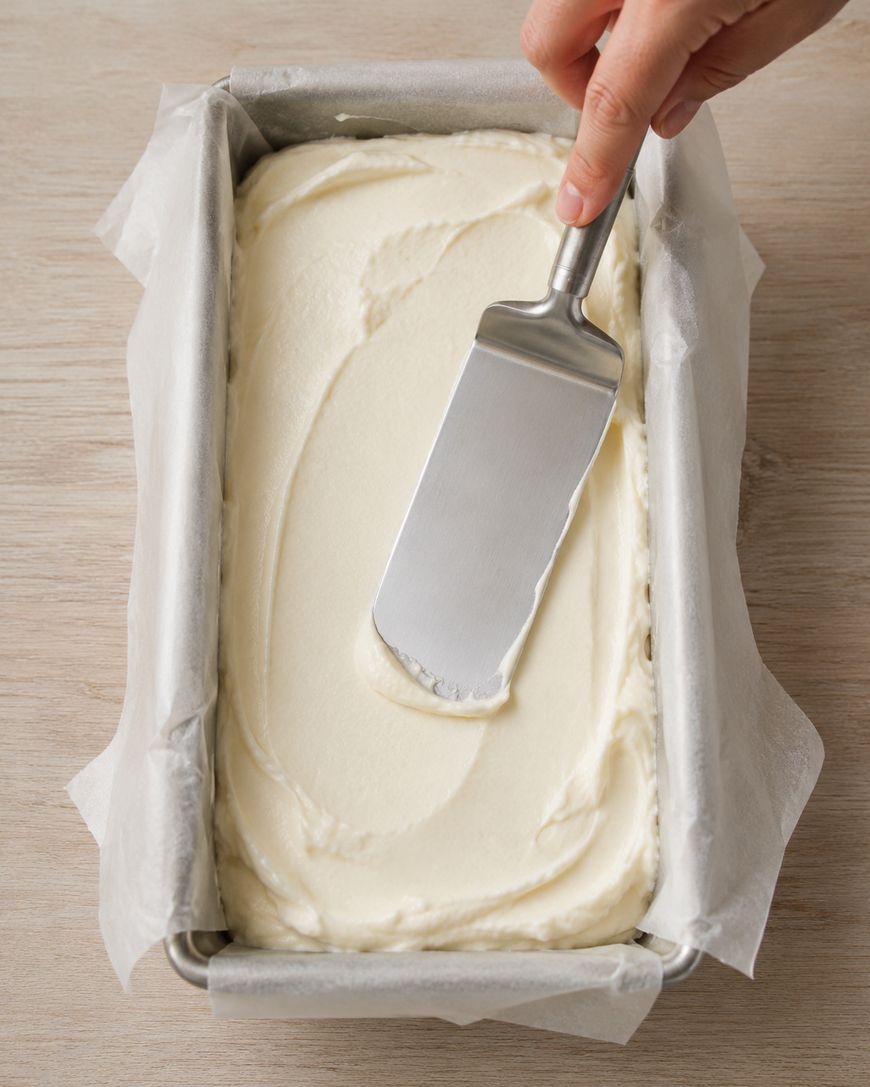
Cover the surface directly with a second sheet of parchment pressed flat against the mixture to prevent ice crystals from forming on the exposed top layer.
Freeze for a minimum of four hours; six hours produces a firmer, more scoopable result; overnight freezing produces the firmest texture, ideal for packing into cones.
Step 4: Soften Before Scooping
Remove the pan from the freezer and let it rest at room temperature for eight to twelve minutes before attempting to scoop — silken tofu ice cream freezes firmer than dairy ice cream and needs slightly longer to soften to the right temperature.
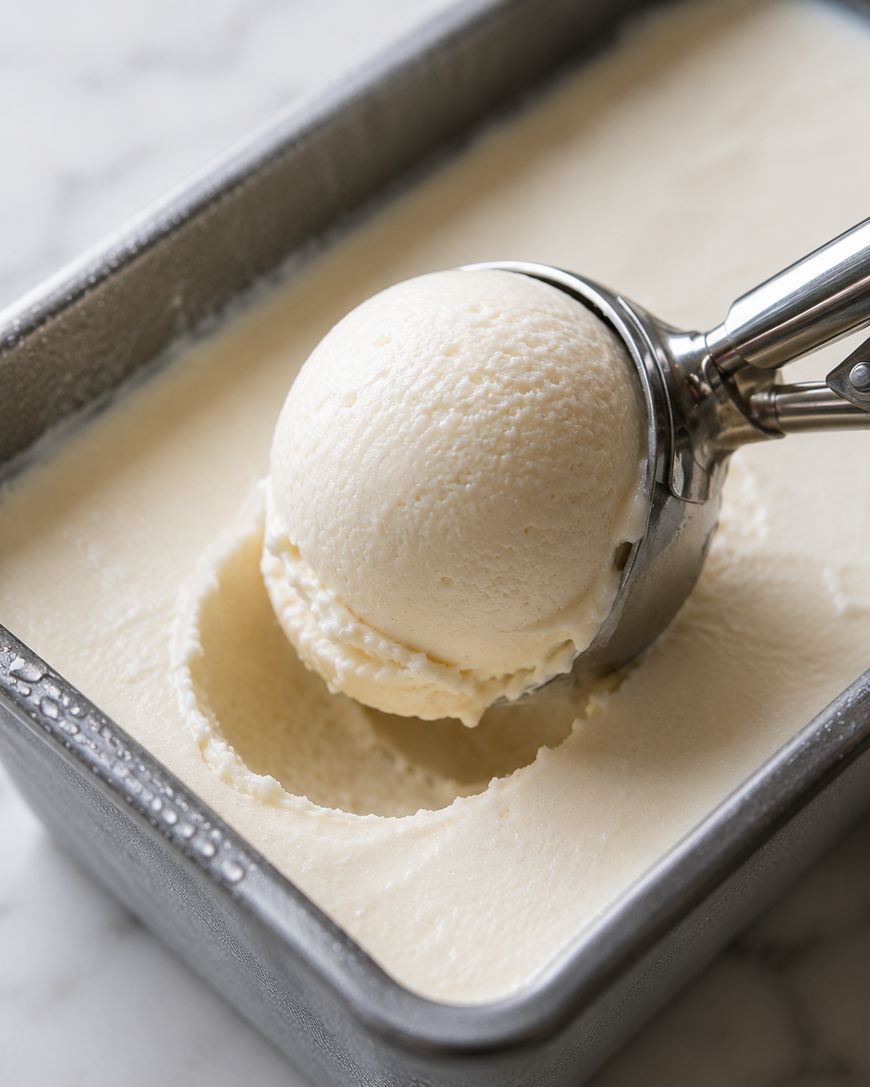
Dipping a stainless-steel ice cream scoop in hot water between scoops produces cleaner, rounder portions.
If the block has frozen solid, microwaving the pan for fifteen seconds on medium power softens the edges enough to begin scooping without compromising the center.
Storage Instructions
Transfer leftover ice cream to an airtight, freezer-safe container — a wide, shallow container such as a deli pint or Souper Cubes tray allows for faster softening because each portion has more surface area exposed to room temperature.
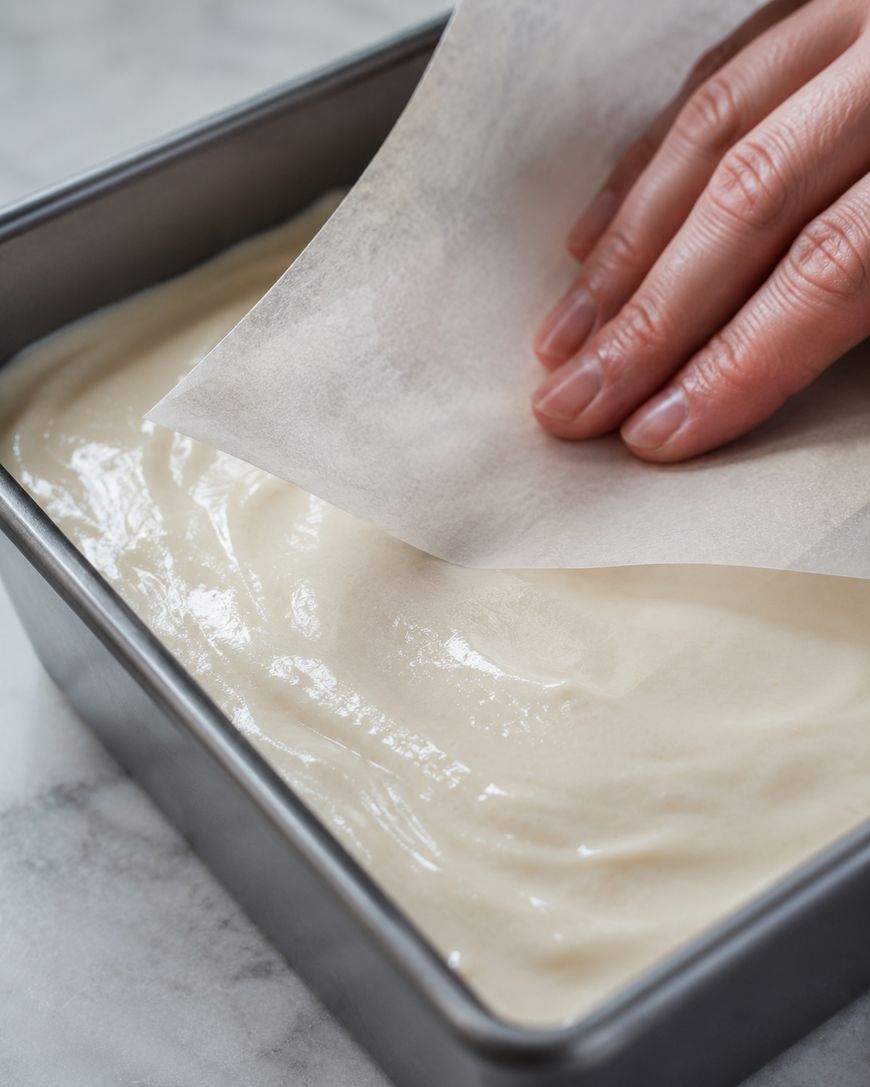
Press a sheet of plastic wrap directly onto the surface of the ice cream before sealing the lid to prevent freezer burn, which degrades the texture within the first week.
Silken tofu ice cream keeps for up to three weeks in a freezer set at 0 degrees Fahrenheit; beyond that point the texture becomes increasingly icy and the tofu flavor, which is almost imperceptible when fresh, becomes more pronounced.
Serving Suggestions
A scoop placed in a warmed waffle cone and finished with a drizzle of date syrup from brands such as Date Lady produces a dessert that reads as indulgent as any dairy option.
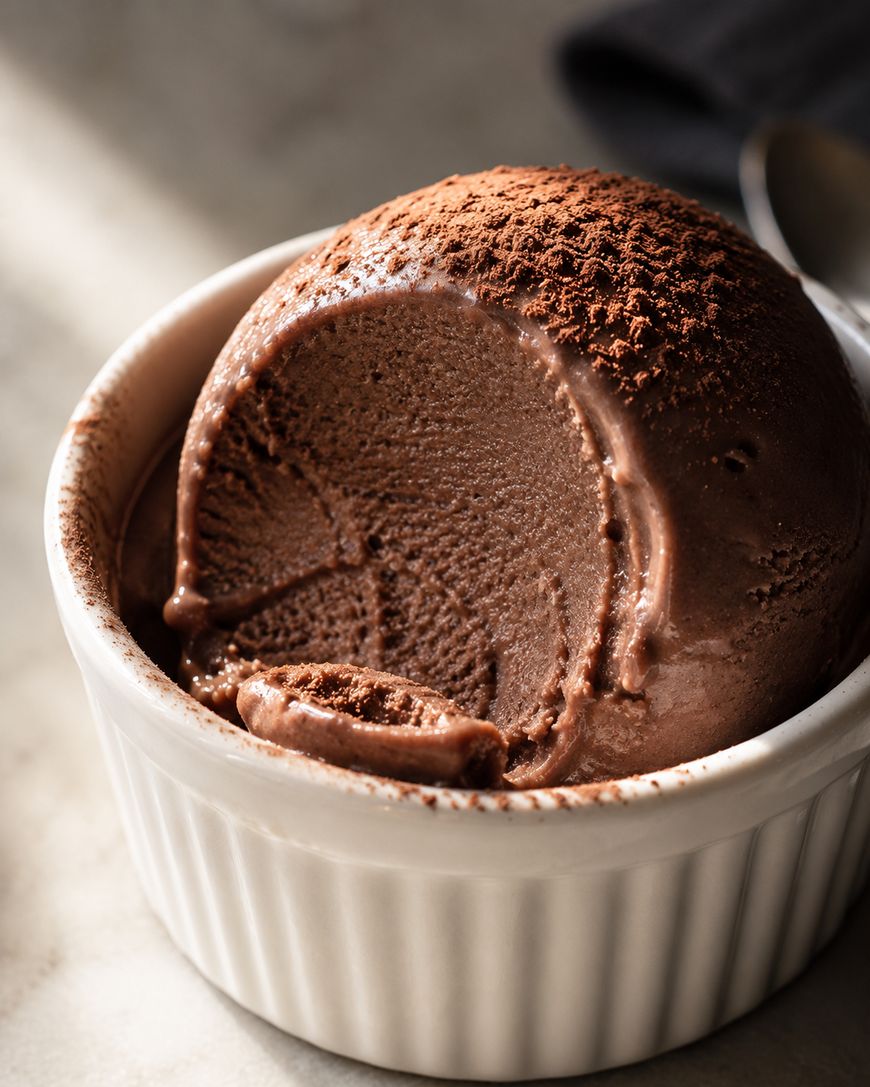
Serving alongside a warm brownie or skillet cookie creates a temperature contrast that makes the tofu base’s creaminess more perceptible — the warmth softens the scoop just enough at the edges to mimic melting dairy ice cream.
A topping of toasted sesame seeds and a thin pour of black sesame paste transforms the vanilla base into an East Asian-inspired dessert that pairs naturally with the tofu origin of the recipe.
The Origins of Frozen Tofu Desserts
Tofu has been produced across East and Southeast Asia for over two thousand years, with silken tofu — called kinugoshi in Japanese, meaning “silk-strained” — appearing in Japanese culinary records from at least the Edo period.
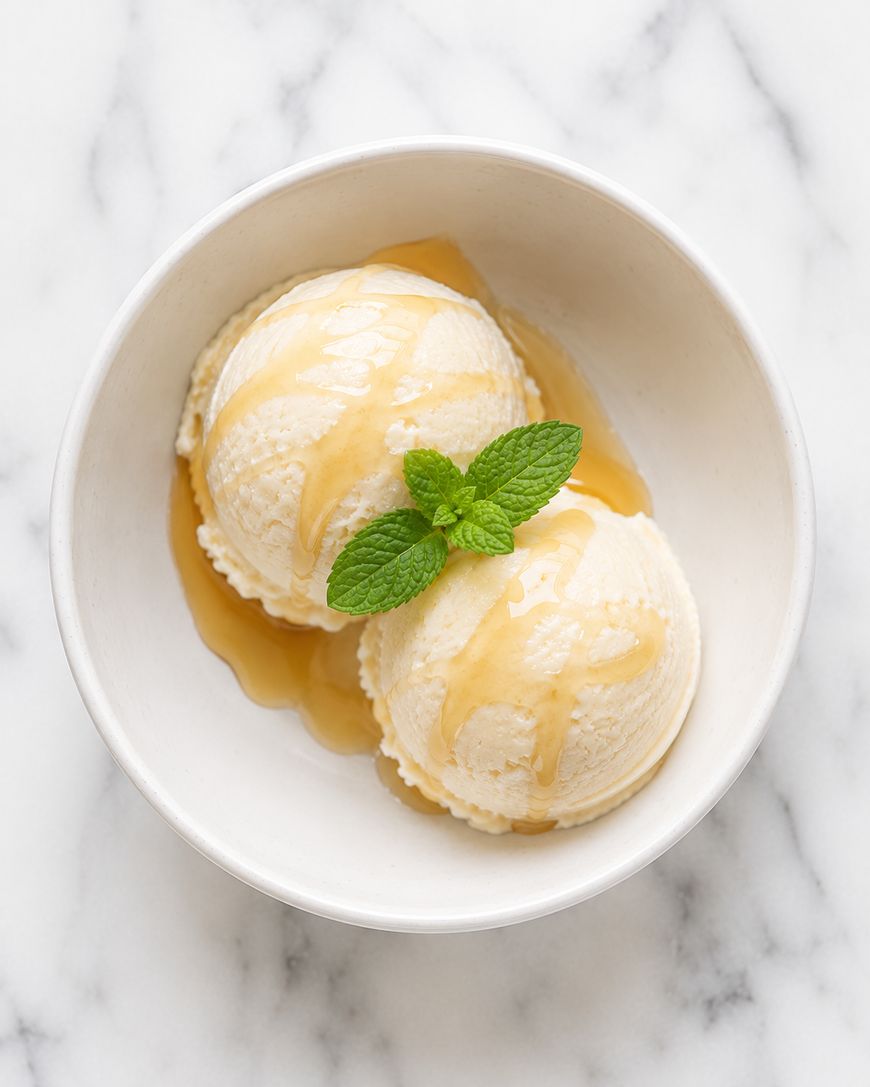
The use of silken tofu in cold, sweetened applications is documented in Japanese cuisine through dishes such as annin tofu, a chilled almond-flavored tofu custard that predates Western influence on Japanese food.
The contemporary version of silken tofu ice cream emerged in North American natural food culture during the 1970s and 1980s alongside the broader mainstreaming of soy-based products, with early commercial iterations sold by companies such as Tofutti, which launched its first dairy-free frozen dessert line in 1981.
Modern recipe development has refined the method significantly, replacing the stabilizers and emulsifiers used in commercial production with simple pantry ingredients that produce a comparable texture without additives.
Use the recipe card below to get started — every measurement is there, along with the exact steps.
Silken Tofu Ice Cream Recipe
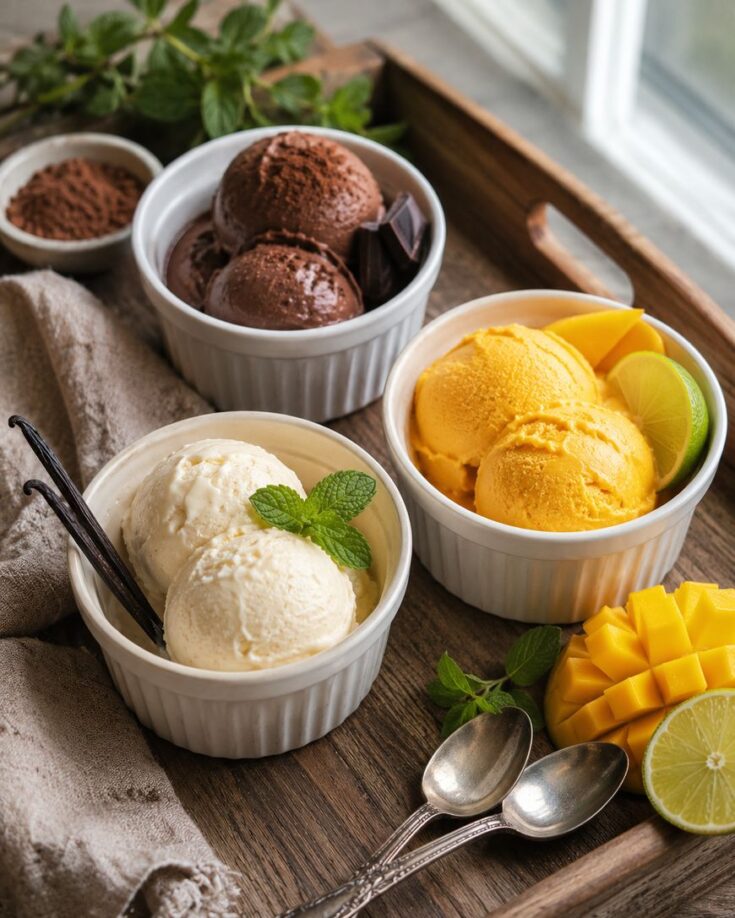
A creamy, dairy-free frozen dessert made with silken tofu, coconut cream, and maple syrup. No ice cream machine needed and ready to scoop after a few hours in the freezer.
Ingredients
- 1 package (12 oz / 340 g) firm silken tofu, drained
- 1/3 cup (80 ml) coconut cream (from a chilled full-fat can)
- 1/3 cup (80 ml) pure maple syrup, Grade A or B
- 1 teaspoon pure vanilla extract
- 1/8 teaspoon fine sea salt
- 1 tablespoon refined coconut oil (optional, for creamier texture)
Instructions
- Add the drained silken tofu, coconut cream, maple syrup, vanilla extract, sea salt, and coconut oil (if using) to a high-speed blender or food processor. Blend on high for 60 to 90 seconds, stopping to scrape the sides once, until completely smooth and no curds remain.
- Pour the blended base into a standard 9x5-inch loaf pan lined with parchment paper, pressing it into an even layer. Cover the surface directly with a second sheet of parchment pressed flat against the mixture, then freeze for a minimum of four hours (six hours produces a firmer, more scoopable result).
- Remove the pan from the freezer and let it rest at room temperature for 8 to 12 minutes to soften slightly, then scoop and serve.
Notes
For a chocolate version, blend in 2 to 3 tablespoons of Dutch-process cocoa powder with the base. For a mango variation, replace the vanilla with half a cup of thawed frozen mango and a squeeze of fresh lime juice. Use firm silken tofu (not water-packed regular tofu) for the smoothest texture.
Nutrition Information:
Yield:
4Serving Size:
1 scoop (approx. 1/2 cup)Amount Per Serving: Calories: 185Total Fat: 9gSaturated Fat: 7gSodium: 85mgCarbohydrates: 21gFiber: 0gSugar: 18gProtein: 5g
Frequently Asked Questions
Does silken tofu ice cream actually taste like tofu?
When blended with maple syrup, vanilla, and coconut cream, the tofu flavor is almost entirely masked by the sweetness and fat from the other ingredients.
The key is using firm silken tofu rather than soft — firm silken tofu has a higher protein density that absorbs and holds the flavors of the other ingredients more completely, which means the finished frozen dessert tastes of vanilla and coconut rather than soy.
If any faint beany note is detectable after blending, adding a second teaspoon of vanilla extract and an extra tablespoon of maple syrup almost always eliminates it before the mixture goes into the freezer.
Can this recipe be made without a blender?
A high-speed blender or food processor produces the smoothest result, but a handheld immersion blender can work if the tofu is exceptionally soft and the coconut cream is fully liquid (not thick or solidified).
Using a handheld blender requires longer processing time — typically two to three minutes rather than sixty to ninety seconds — and the result may contain very fine tofu granules that create a slightly grainy rather than perfectly silky texture.
For the smoothest possible outcome without a full blender, pressing the silken tofu through a fine-mesh sieve before blending with an immersion blender removes the largest protein granules and produces a noticeably smoother base.
Why does homemade tofu ice cream get so hard in the freezer?
Dairy ice cream contains a combination of fat, protein, sugar, and air that interferes with the formation of large ice crystals, which is why commercial ice cream stays soft and scoopable even at 0 degrees Fahrenheit.
Silken tofu ice cream has less fat than a cream-heavy custard base, so it freezes harder and forms slightly larger ice crystals — the solution is adding a tablespoon of refined coconut oil or increasing the maple syrup content slightly, because both fat and sugar lower the freezing point of the mixture and slow ice crystal formation.
Allowing the pan to temper on the counter for eight to twelve minutes before scooping is the single most effective adjustment for dealing with a hard-frozen block.
Is this recipe safe for people with soy allergies?
No — silken tofu is made from soybeans, and this recipe is not appropriate for anyone with a soy allergy or soy sensitivity.
For a soy-free alternative with a similar method, a base made from full-fat coconut milk blended with cashew cream (one cup of raw cashews soaked overnight and blended with half a cup of water) produces a comparably creamy dairy-free ice cream without any soy.
Can the recipe be made with sweeteners other than maple syrup?
Agave nectar works at a 1:1 substitution and produces a slightly milder sweetness with a lower glycemic impact than maple syrup.
Medjool dates blended directly into the base — four to five dates, pitted and soaked in warm water for ten minutes — provide a caramel-adjacent sweetness along with fiber, though the finished ice cream will be slightly darker in color and the texture marginally less smooth.
Does this work in an ice cream machine?
Churning the blended base in a standard ice cream machine such as the Cuisinart ICE-21 for twenty to twenty-five minutes produces a significantly creamier, softer result than the no-churn loaf-pan method because the paddle incorporates air and prevents large ice crystal formation during freezing.
After churning, transfer the soft-serve consistency mixture to a freezer container and freeze for two to three hours for a scoopable consistency, or serve immediately for a soft-serve texture.
Make It Tonight
This silken tofu ice cream recipe proves that the creamiest dairy-free frozen dessert on the table does not require a machine, a custard cook-off, or a long ingredient list — just one block of silken tofu and a few pantry staples standing between the blender and the scoop.

Leave a Reply