Vegan metabolism boosting foods are plant-based foods and drinks that can slightly increase calorie burn during digestion, support steady energy, and keep you fuller by emphasizing protein, fiber, spice, and minimally processed choices. The simplest default approach is to pick 1 high-protein vegan food, add 1–2 high-fiber foods, then include 1 “heat or caffeine” option if it agrees with you.
Vegan Metabolism Boosting Foods You Can Build Meals Around
1. Tempeh
Tempeh is metabolism-friendly because it is protein-dense, and digesting protein takes more energy than digesting carbs or fats.
A simple target is 4–6 ounces in a meal, and it works especially well sliced thin and seared so it feels filling without needing heavy sauces.

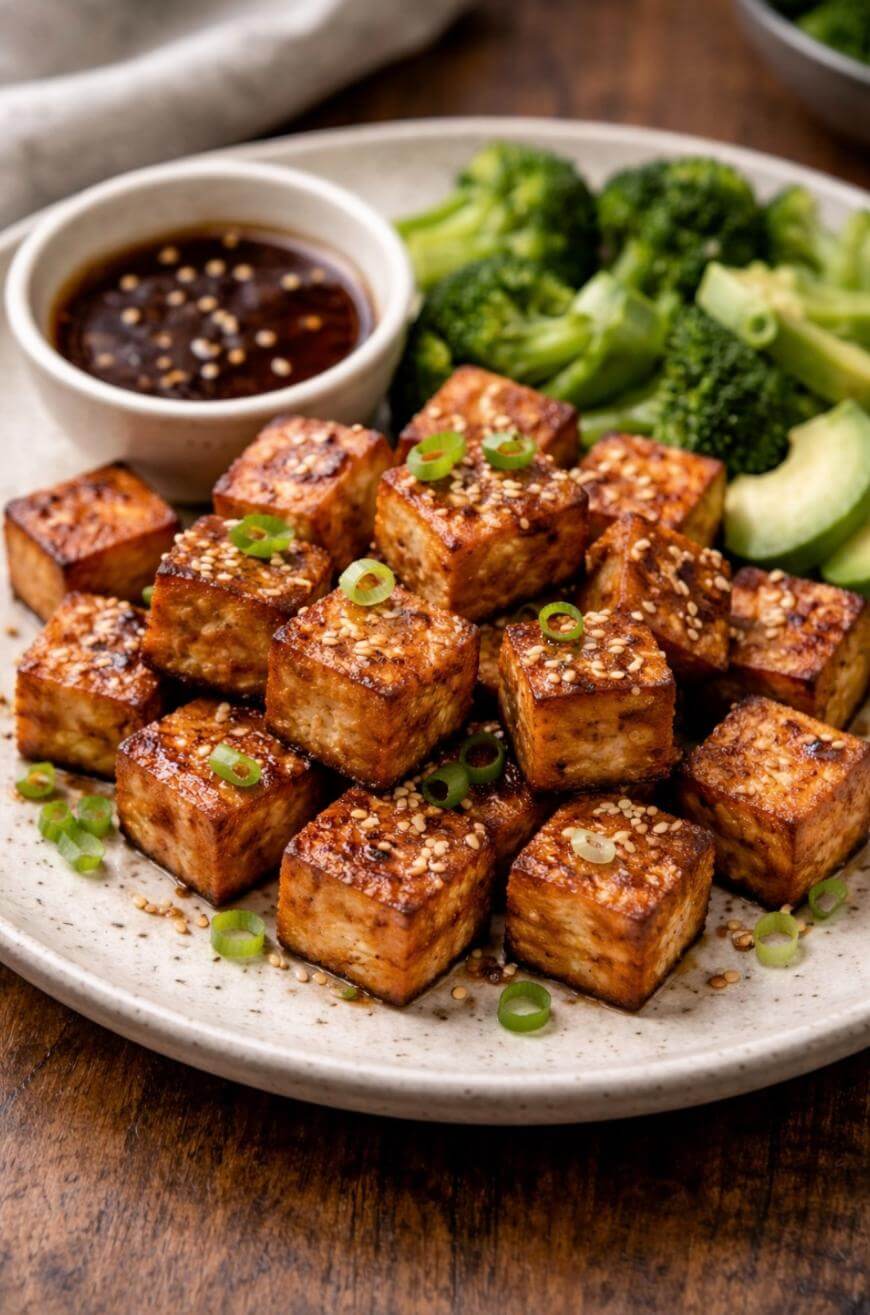
2. Extra-Firm Tofu
Extra-firm tofu supports metabolism mainly through its protein content, which helps preserve lean mass and increases the thermic effect of food.
Use 5–7 ounces as a main protein, and press it for 10–15 minutes so it browns and satisfies instead of feeling soft and watery.
3. Seitan
Seitan is one of the highest-protein vegan options per calorie, which can help you stay in a calorie range that supports fat loss while keeping meals substantial.
A practical serving is 3–5 ounces, and it is especially useful when you want a “meaty” texture without adding a lot of fat.

4. Lentils
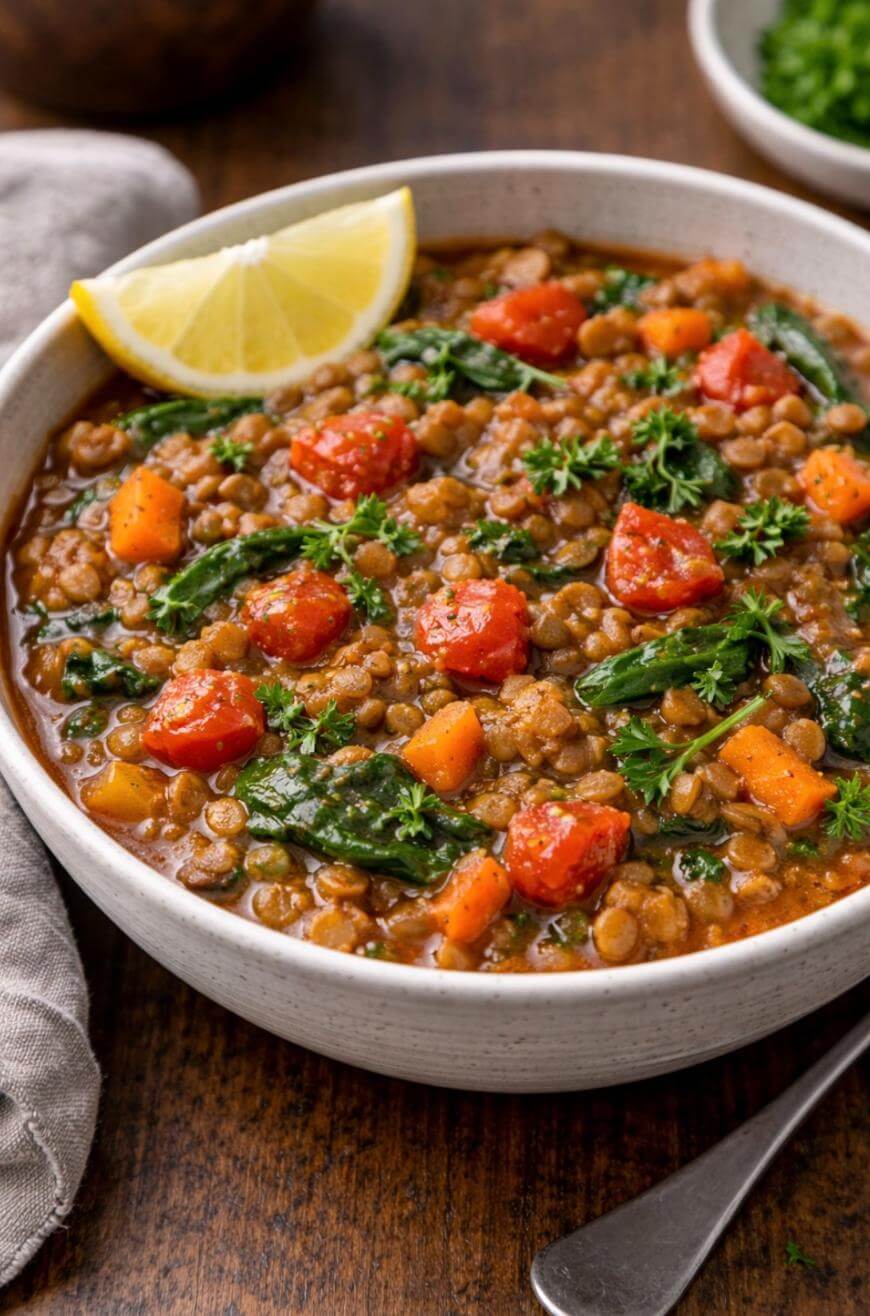
Lentils help your metabolism indirectly because their protein plus fiber combo supports steadier blood sugar and fewer cravings later.
Aim for 3/4–1 cup cooked in a bowl, soup, or salad, and keep red lentils on hand for quick cooking.

5. Chickpeas
Chickpeas are a metabolism-supporting food because they are high in fiber, making it easier to feel full on fewer calories.
Try 3/4–1 cup cooked, and roast them for crunch so your snack or salad has real staying power.

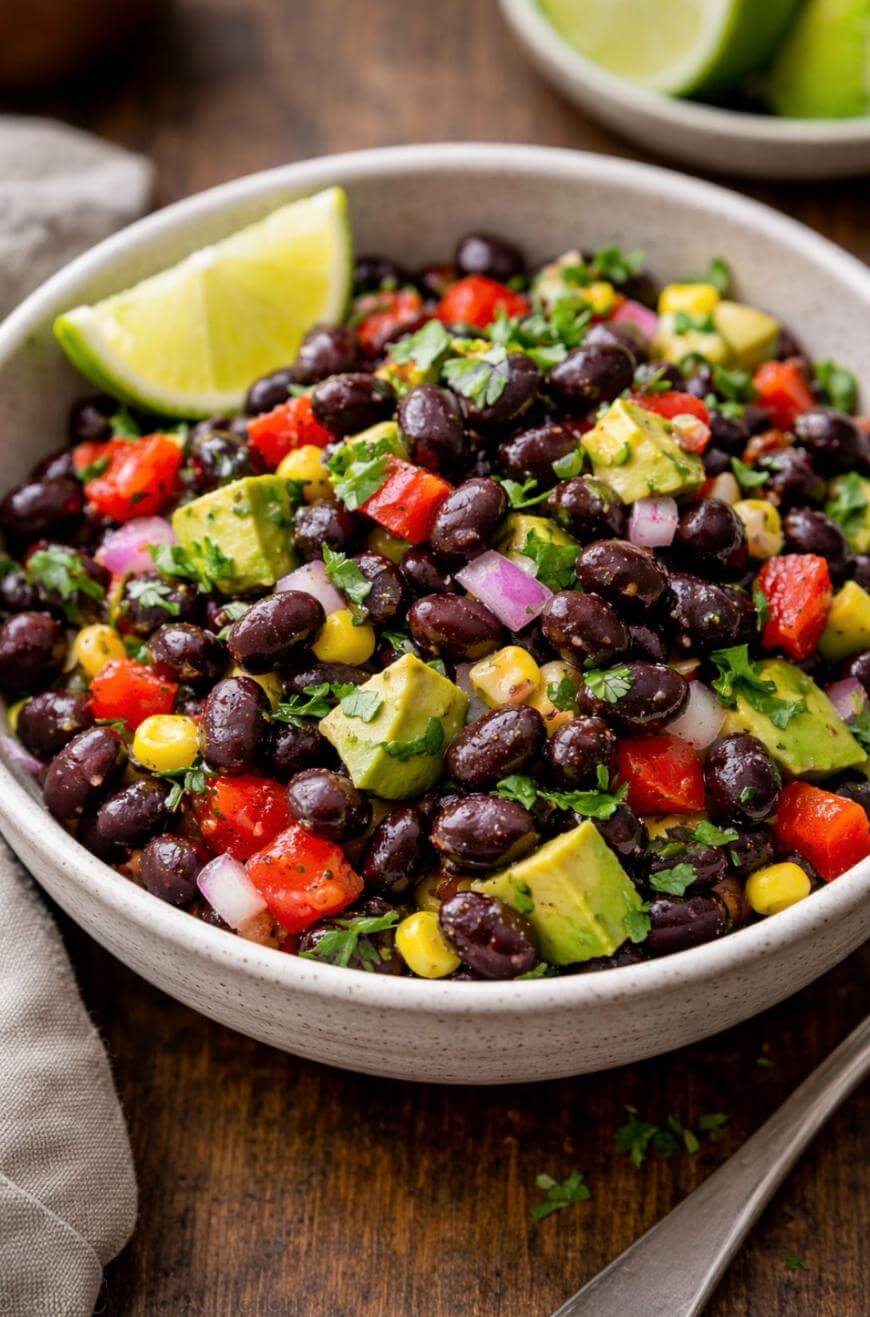
6. Black Beans
Black beans support appetite control through fiber and provide a solid protein base that makes meals more satisfying.
Use 3/4–1 cup cooked at lunch, especially if afternoons are your snack danger zone.
7. Edamame
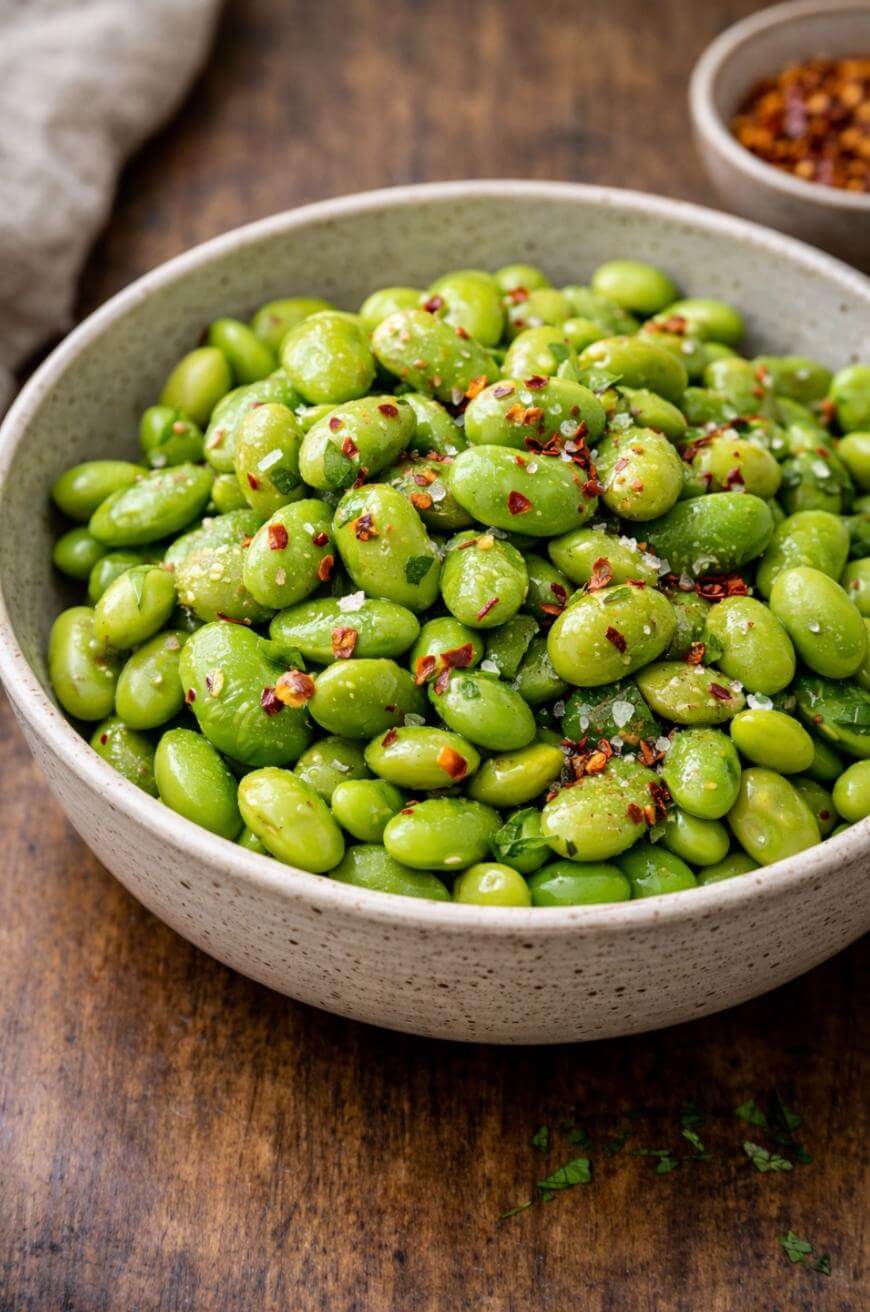
Edamame works as a “metabolism snack” because it is higher in protein than most snack foods and also brings fiber.
A simple snack is 1 cup shelled edamame with salt and chili flakes, which often beats reaching for refined carbs.
8. Lupini Beans
Lupini beans are especially helpful because they are unusually high in both protein and fiber, which supports fullness for longer.
Rinse jarred lupini well and use 1/2–1 cup in salads, or toss them with lemon and herbs for a fast snack.
9. Soy Milk (Unsweetened)
Unsweetened soy milk can support metabolism by helping you reach higher daily protein totals without adding much sugar.
Use 1–2 cups a day in oats or smoothies, and treat it like a “protein ingredient” rather than just a beverage.
10. Vegan Protein Powder (Pea, Soy, Or Blends)
Protein powder can help you consistently hit protein targets, which matters for maintaining lean mass and supporting higher daily energy expenditure.
A practical serving is 20–30 grams of protein per shake, and it is easiest to use after workouts or as a snack replacement.
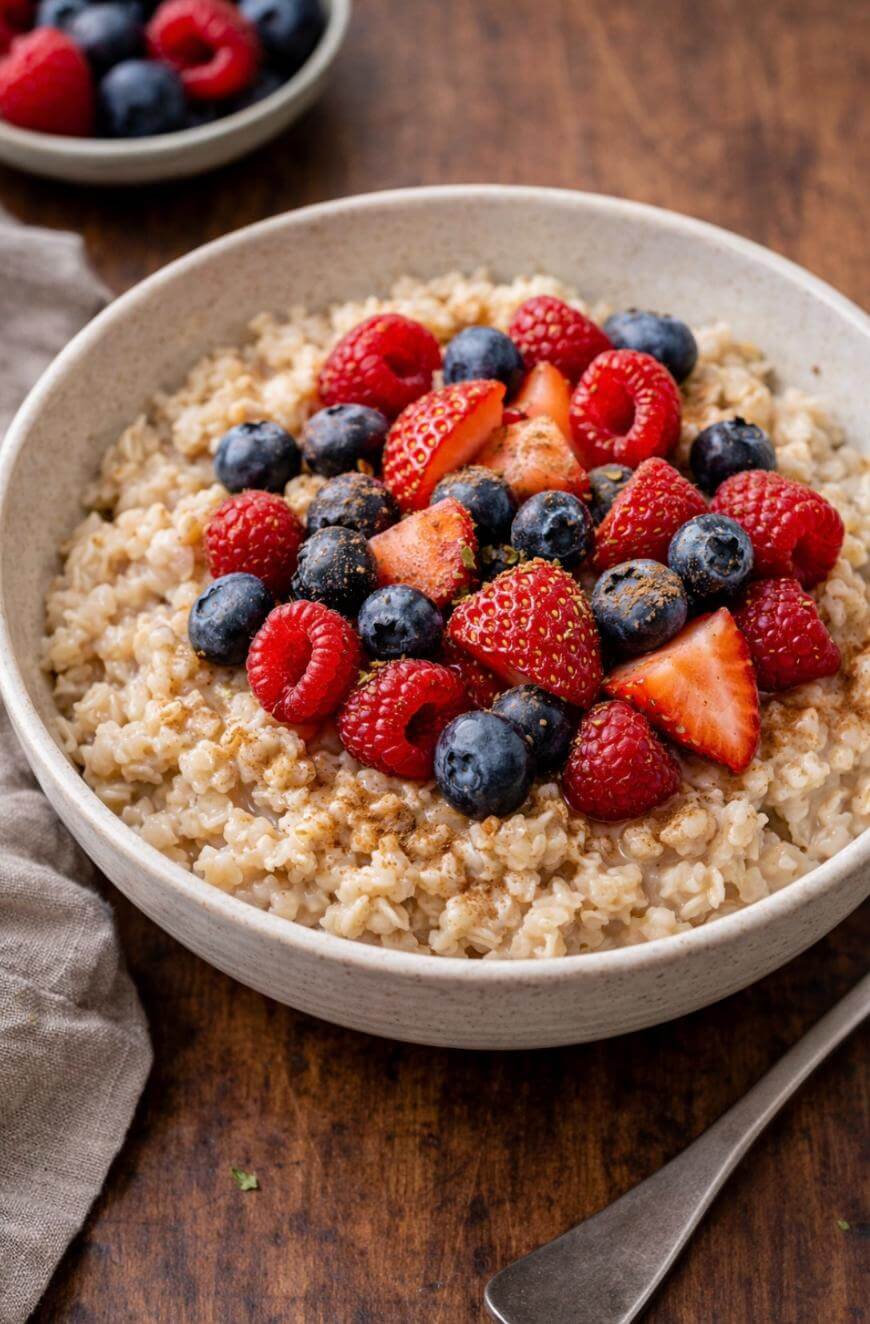
11. Oats
Oats support metabolism through their soluble fiber, which can improve fullness and help you avoid energy crashes that lead to overeating.
Use 1/2–3/4 cup dry oats, and pair them with soy milk or protein powder so breakfast is not just carbs.
12. Quinoa
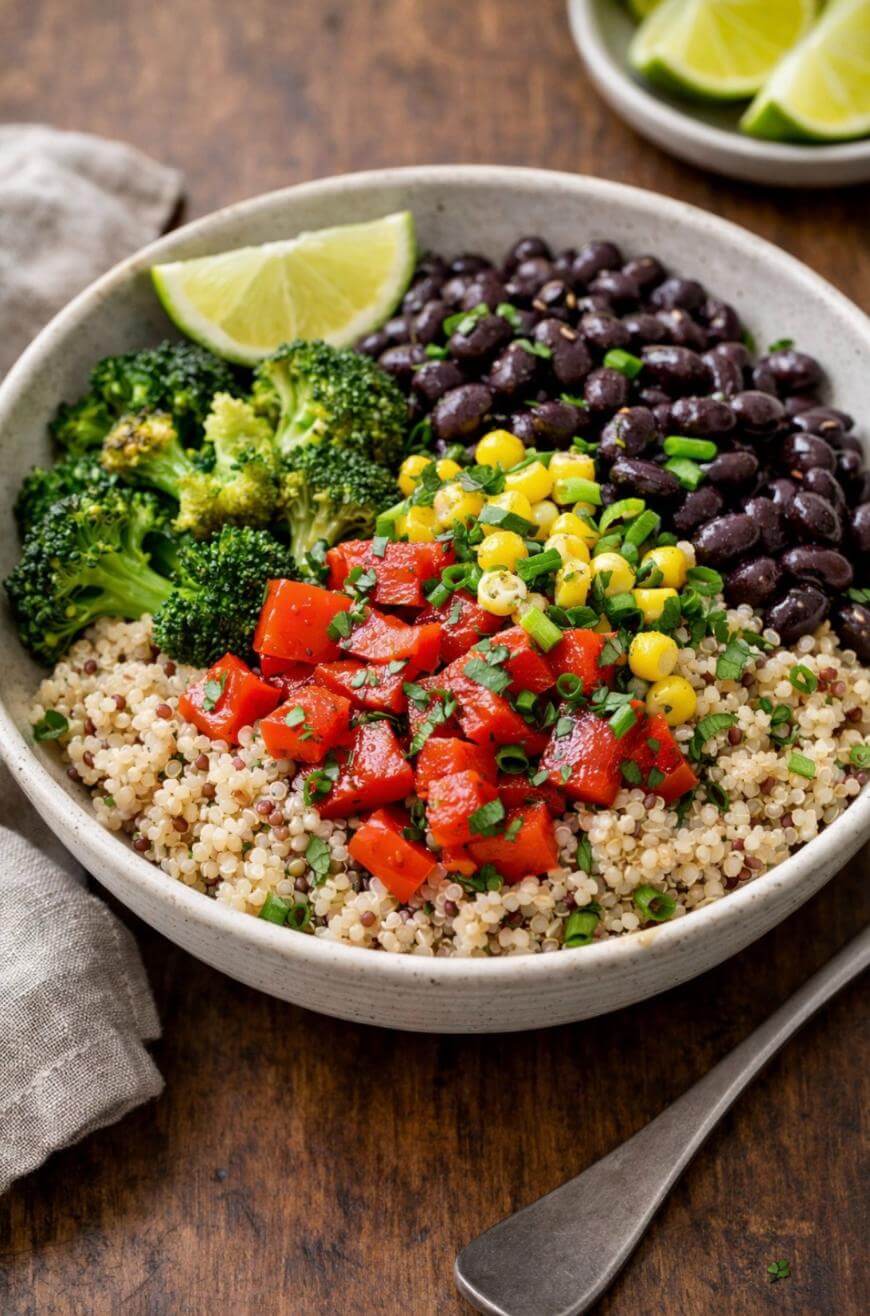
Quinoa is helpful because it has more protein than many grains and works well as a base for high-fiber bowls.
Cook 3/4–1 cup and combine it with beans and vegetables so you get a steady-release meal instead of a quick spike.
13. Chia Seeds
Chia seeds “boost” metabolism indirectly by making meals more filling, since they absorb liquid and expand.
Use 1–2 tablespoons per day in oats, smoothies, or pudding, and avoid overdoing it if you are not used to high fiber.
14. Ground Flaxseed
Ground flax supports satiety because it adds fiber and healthy fats that help meals feel complete.
A simple habit is 1 tablespoon daily in smoothies or oatmeal, and storing it in the fridge helps keep it fresh.
15. Hemp Seeds
Hemp seeds add some protein and healthy fats, which can reduce the urge to keep snacking after a meal.
Use 1–2 tablespoons on salads or bowls, and treat it as a measured topping so calories stay predictable.
16. Berries (Blueberries, Raspberries, Strawberries)
Berries support metabolism by giving you sweetness with more fiber and fewer calories than many desserts.
Aim for 1–2 cups in a day, and pair them with vegan yogurt or tofu whip so it is satisfying, not just “fruit sugar.”
17. Leafy Greens (Spinach, Kale, Romaine)
Leafy greens help because they add volume with minimal calories, which supports a calorie deficit without feeling deprived.
A simple baseline is 2 big handfuls daily, and sautéing them into tofu scrambles makes them easy to eat consistently.
18. Cruciferous Vegetables (Broccoli, Brussels Sprouts, Cabbage)
Cruciferous vegetables help with fullness because they are fibrous and require more chewing, which can slow eating and improve satisfaction.
Roast them at high heat and use a goal like 2 cups cooked at dinner to “bulk up” your plate.

19. Mushrooms
Mushrooms are great for a metabolism-friendly plate because they add savory volume for very few calories.
Use 1–2 cups in stir-fries or tacos, and combine them with tofu or beans so the meal is not low-protein.
20. Potatoes (Baked Or Boiled)
Potatoes can support fat loss because they are very filling when prepared without frying, which can help you eat fewer total calories.
Use 1 medium potato and top it with lentil chili or tofu, which is a simple way to avoid turning it into a butter-and-oil situation.
21. Sweet Potatoes
Sweet potatoes provide satisfying carbs plus fiber, which can help keep energy stable when you are active.
Aim for 1 medium serving and pair it with a protein like tempeh so it does not become a “carbs-only” meal.
22. Chili Peppers (Fresh Or Dried)
Chili peppers can give a small thermogenic effect and can also make meals more satisfying, which helps you stick to your plan.
Start with a small pinch of cayenne or a few slices of jalapeño, and build slowly if your stomach is sensitive.
23. Ginger
Ginger is often helpful because it adds warmth and intensity without extra calories, which can make simple meals feel more satisfying.
Grate it into stir-fries or steep it in hot water, and use it as a flavor tool when you would otherwise add sugar.
24. Cinnamon
Cinnamon supports metabolism indirectly by making lower-sugar meals taste good, which improves consistency and reduces dessert cravings.
Use 1/2–1 teaspoon in oats or smoothies, and combine it with berries so you do not “need” sweeteners.
25. Green Tea
Green tea is popular for a mild metabolism and energy support effect, largely from caffeine and plant compounds.
Try 1–2 cups earlier in the day, and reduce or stop if it disrupts your sleep because sleep problems can backfire on appetite.
26. Matcha
Matcha can be a stronger version of green tea for some people because you consume the powdered leaf, which often means more caffeine.
Use 1 teaspoon in water or plant milk, and keep it earlier in the day to protect sleep quality.
27. Coffee (Black Or Lightly Sweetened)
Coffee can support training intensity and daily movement because caffeine improves alertness, and more movement usually matters more than tiny food effects.
A useful boundary is to keep it mostly unsweetened and avoid drinking it within 8–10 hours of bedtime if sleep is an issue.
28. Apple Cider Vinegar
Apple cider vinegar may help some people feel more satisfied and can make meals taste sharper, which can reduce the desire for extra sauces.
Use 1–2 teaspoons in a dressing, and skip it if it irritates your stomach or triggers reflux.
29. Citrus (Grapefruit, Oranges, Lemon)
Citrus supports metabolism indirectly because it is water-rich and can satisfy sweet cravings with fewer calories.
Try adding 1–2 servings daily, and use lemon juice to make bowls and salads taste brighter without extra oil.
30. Cucumber
Cucumber is a smart “volume food” that helps you feel like you are eating more while keeping calories low.
Use it as a side or snack with hummus, and the fiber-plus-water combo can help reduce mindless grazing.
Key Takeaways
Protein-forward vegan foods support metabolism most through the thermic effect of food and lean-mass support.
Fiber-rich foods help you stay full and naturally eat fewer calories.
Spicy foods and caffeine are small nudges, not the main driver.
Aim for 25–35 grams of protein per main meal for a practical baseline.
Choose high-volume vegetables daily to make your plate feel bigger.
Protect sleep because poor sleep can increase hunger and cravings.
FAQ
Do vegan metabolism boosting foods work without exercise?
Yes, they can help, but results are usually bigger when you also lift weights or walk more. Protein and fiber make it easier to eat in a way that supports your goal.
How many “metabolism foods” should you eat per day?
Start with 2–3 protein-focused foods and 2–4 high-fiber foods daily. Add one spice or tea option if it agrees with you.
Can spicy foods upset digestion and hurt progress?
Yes, if they trigger reflux or stomach pain. Use a small amount and pick ginger or cinnamon instead if heat does not work for you.
What is the fastest way to make this practical?
Build meals around tofu, tempeh, lentils, or beans, then add greens and cruciferous vegetables. Use green tea or coffee as an optional add-on, not the foundation.



Leave a Reply