This high protein vegan mac and cheese turns a classic comfort food into a meal that actually fuels you, and the full recipe card below has every measurement locked in.
You get a creamy, tangy sauce built from silken tofu and cashews instead of dairy, so each bowl carries real staying power.
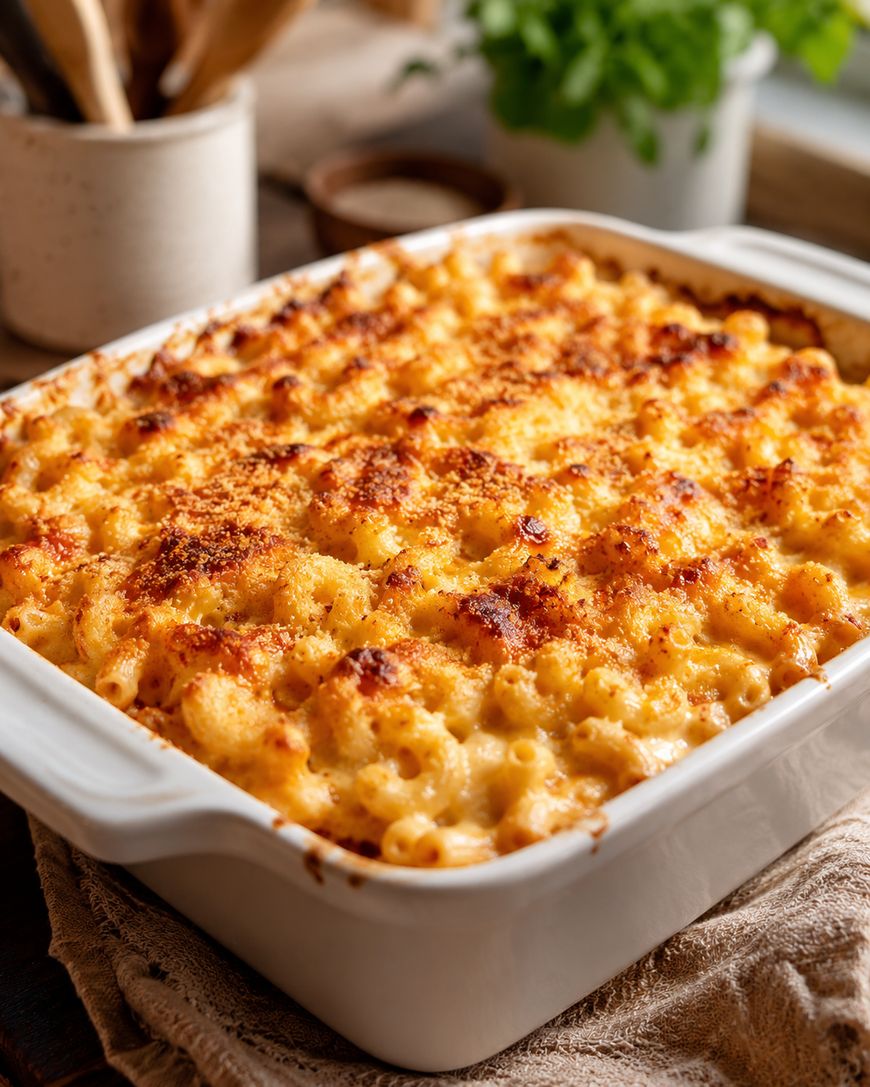
Why This High Protein Vegan Mac and Cheese Works
The protein boost here comes from layering plant sources instead of relying on one ingredient.
Silken tofu blends into the sauce for body and a full dose of complete protein, while cashews add richness and healthy fat.
Chickpea pasta, which is common on grocery shelves from brands like Banza and Barilla, swaps in for traditional wheat noodles and roughly doubles the protein count per serving.
Nutritional yeast rounds out the flavor with a cheesy, umami edge and contributes B vitamins along the way.
The Ingredients You Will Need
Chickpea elbow pasta forms the base, since its protein density is the biggest lever in this recipe.
Silken tofu, the soft variety sold in aseptic cartons near the tofu section, blends completely smooth and disappears into the sauce.
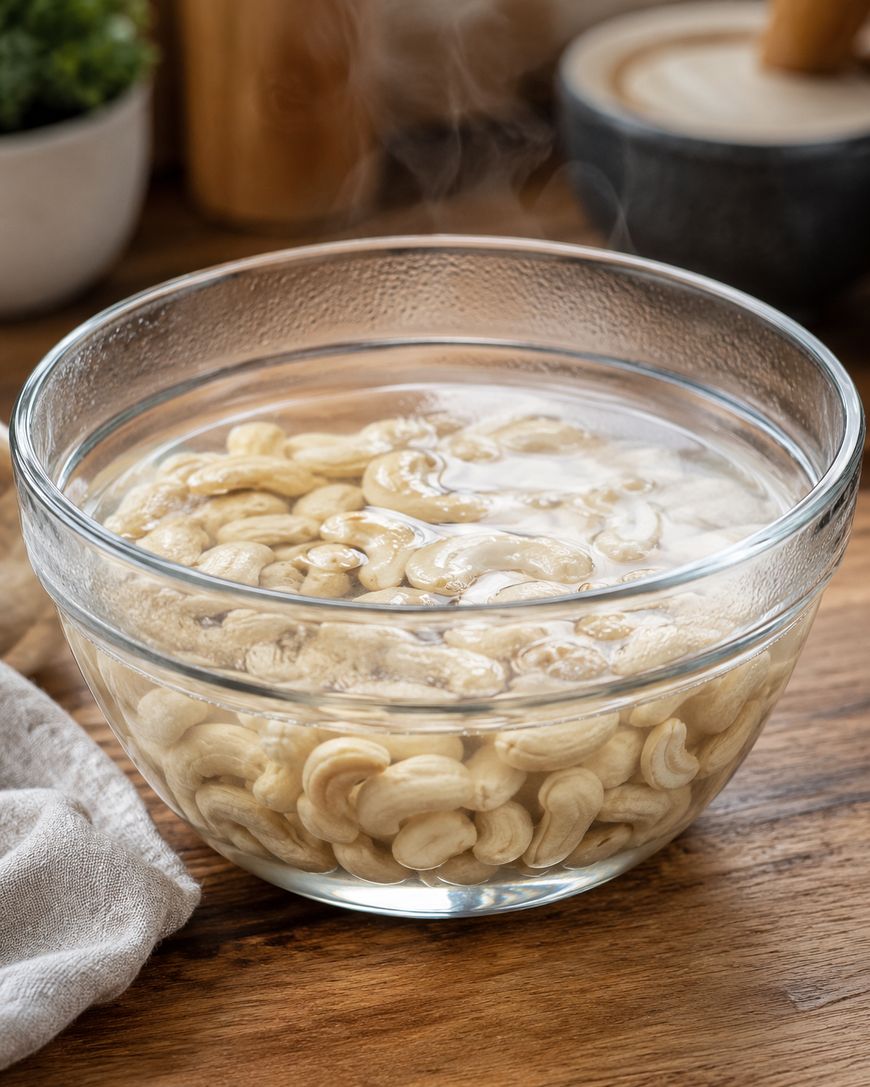
Raw cashews, soaked in hot water for about 15 minutes, thicken the sauce without any coconut cream or dairy substitute.
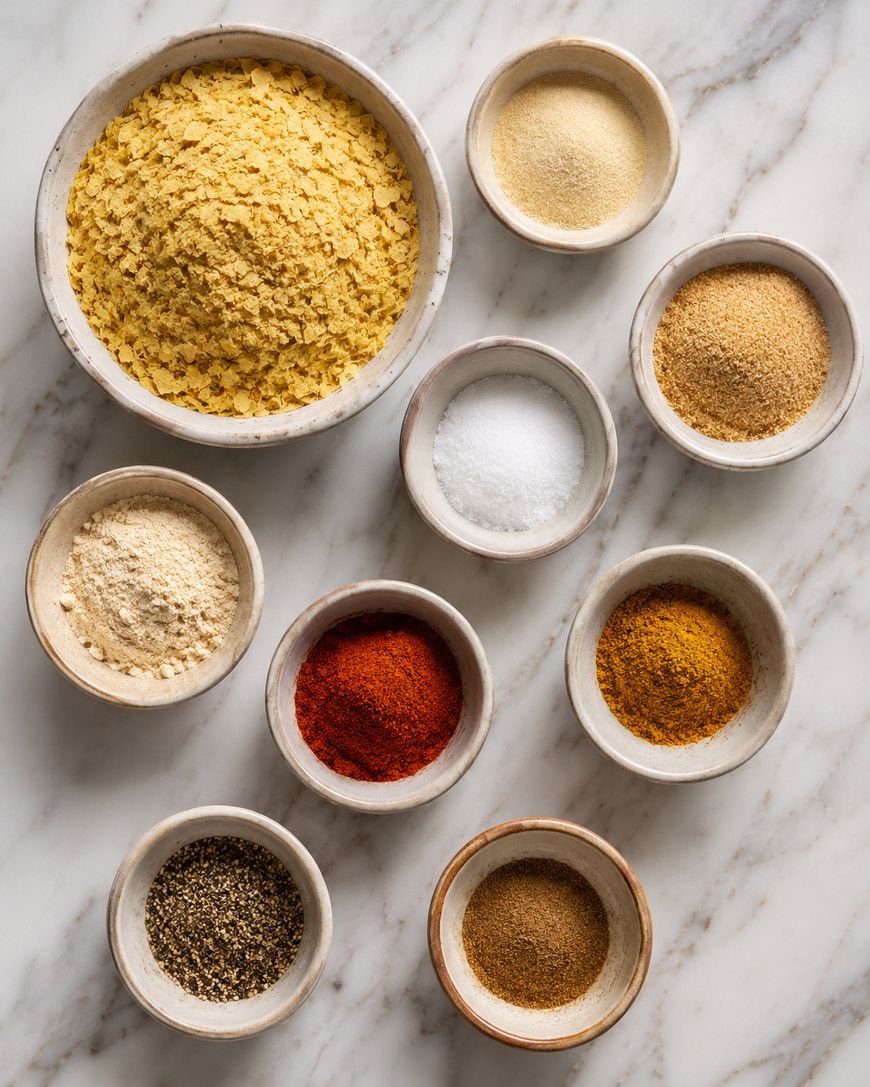
Nutritional yeast flakes, a splash of unsweetened plant milk, garlic powder, onion powder, smoked paprika, turmeric for color, and a squeeze of lemon juice round out the sauce.
Sea salt and black pepper finish the seasoning, and a spoonful of white miso paste adds depth if you have it on hand.
How to Make the Sauce
Start by soaking the raw cashews in just-boiled water for 15 minutes, then draining them well.
Add the soaked cashews, silken tofu, nutritional yeast, plant milk, garlic powder, onion powder, smoked paprika, turmeric, lemon juice, and miso to a high-speed blender.
Blend on high for a full two minutes, scraping down the sides once, until the mixture turns completely smooth with no grainy texture left.
A high-speed blender like a Vitamix makes the biggest difference here, since underpowered blenders can leave the cashews slightly gritty.
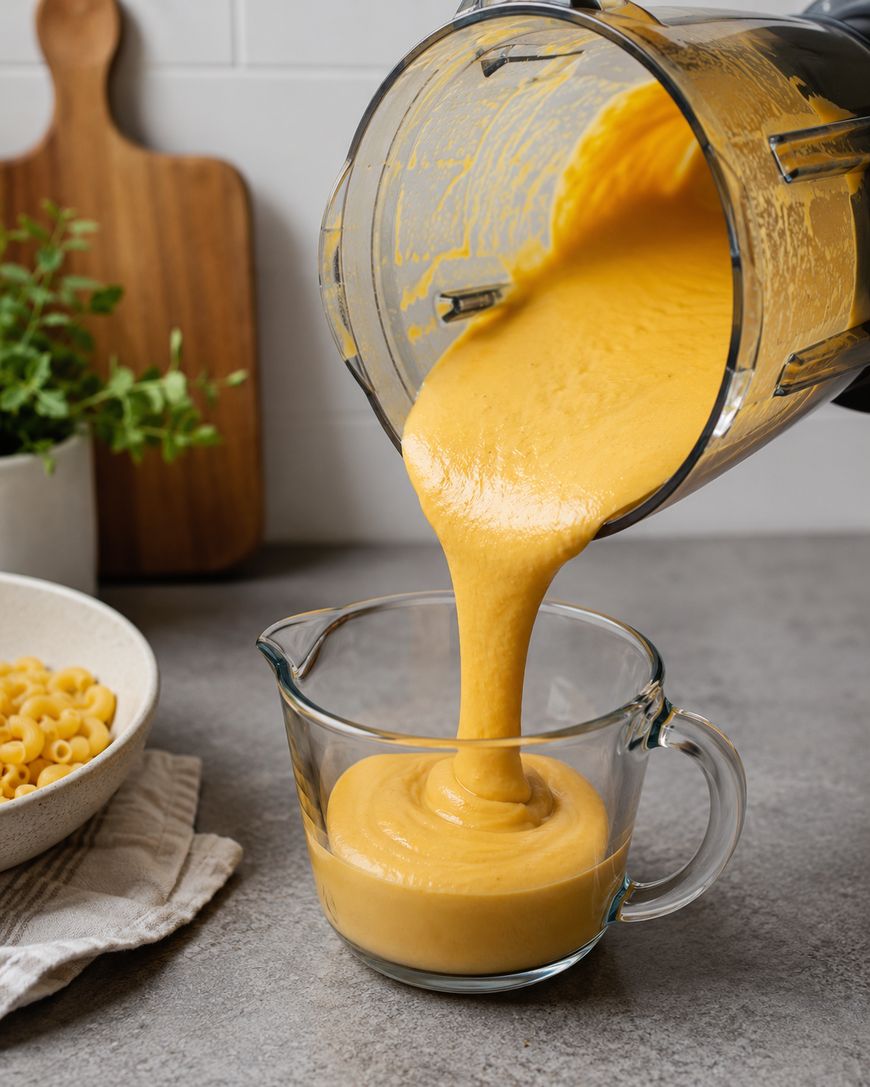
Taste the sauce before combining it with pasta, since this is the easiest point to adjust salt or acidity.
Cooking the Pasta and Bringing It Together
Cook the chickpea pasta in well-salted boiling water for one minute less than the package directs, since it will finish cooking in the warm sauce.
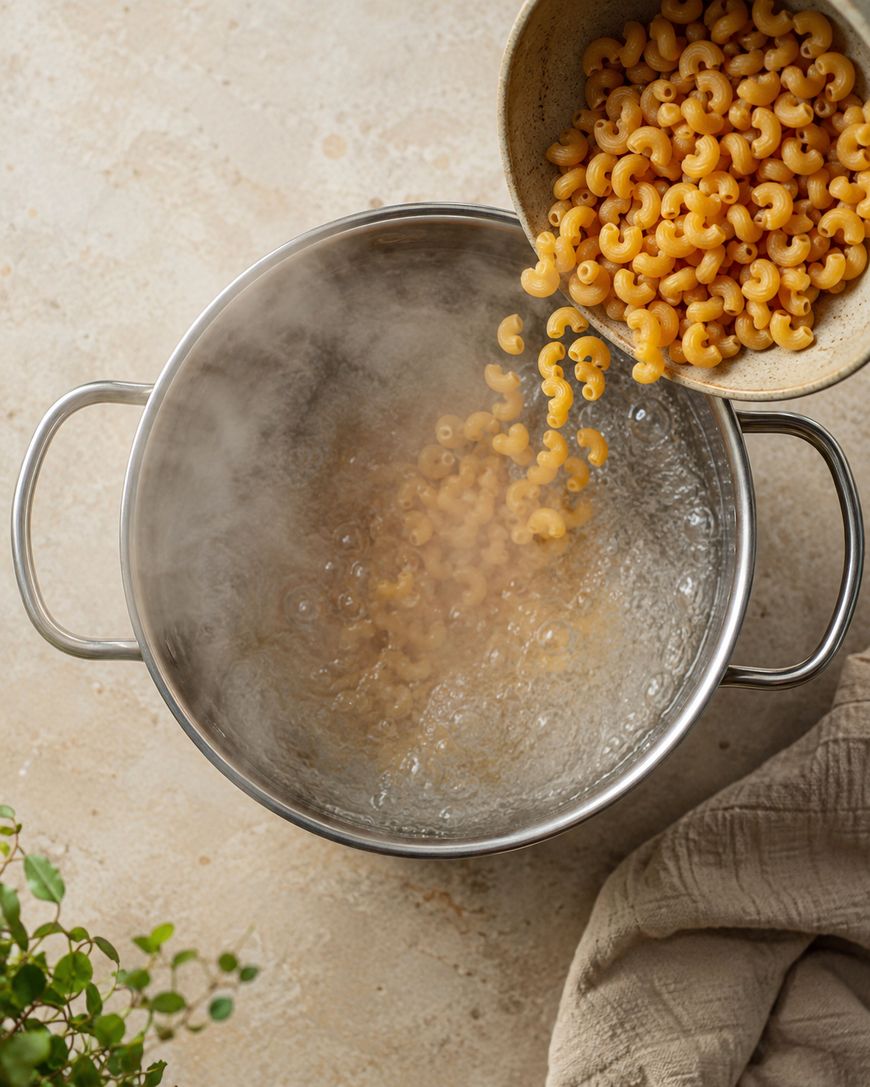
Chickpea pasta turns mushy fast, so watch it closely and drain the moment it hits al dente.
Reserve about a half cup of the starchy pasta water before draining, since it helps loosen the sauce to the right consistency.
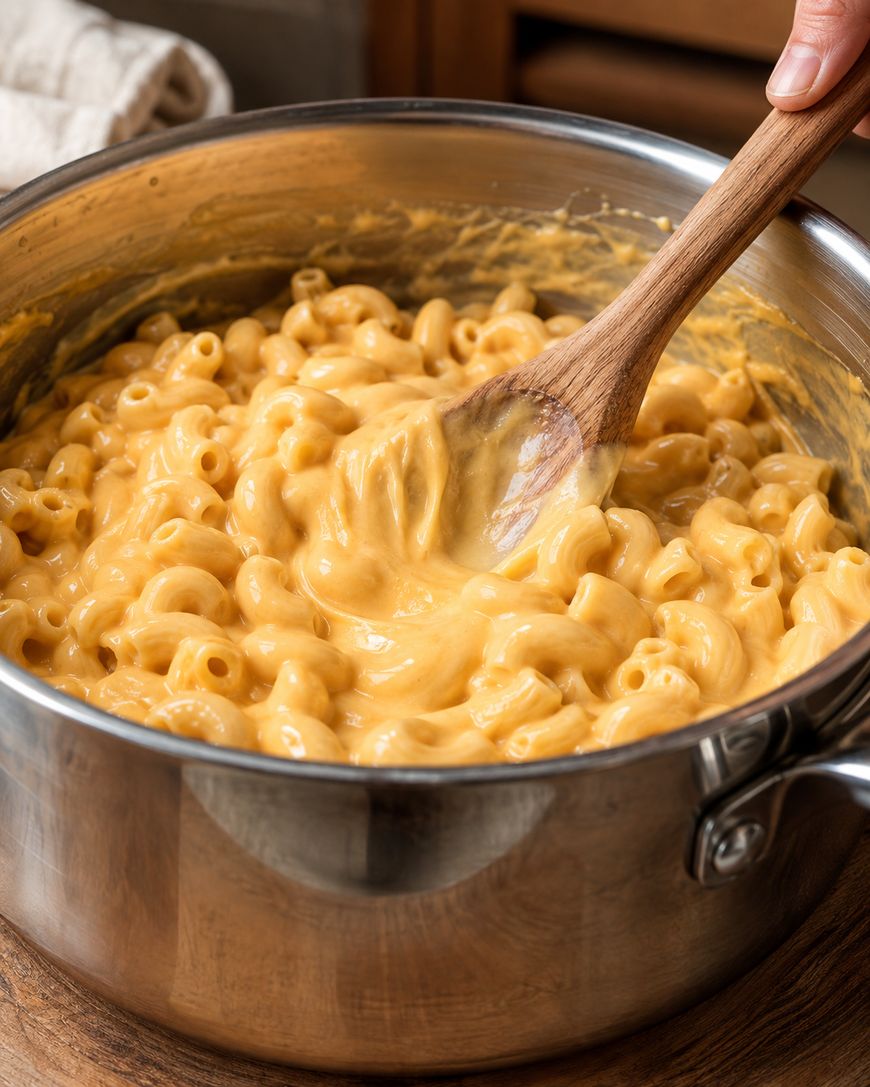
Return the drained pasta to the pot over low heat, pour in the blended sauce, and stir constantly for two to three minutes until everything turns glossy and thick.
Add the reserved pasta water a tablespoon at a time if the sauce looks too thick, stirring until you reach a consistency that coats the back of a spoon.
Baked Version and Toppings
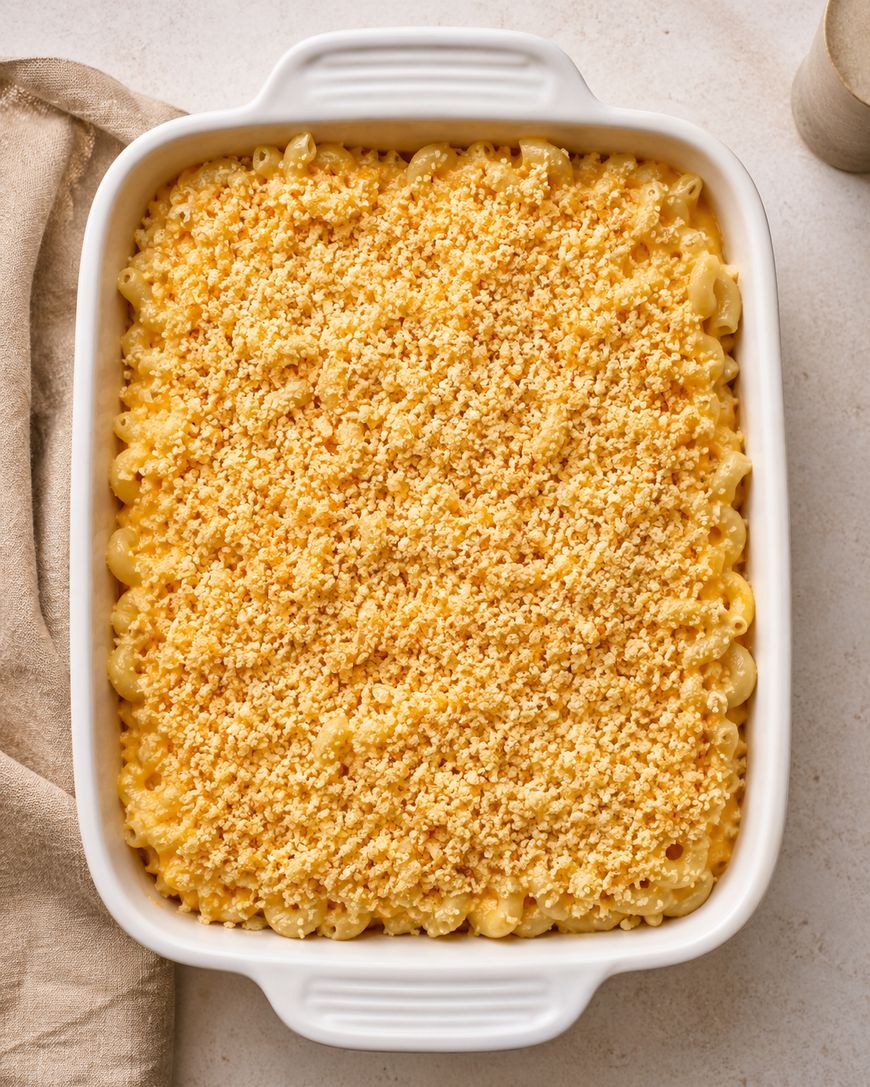
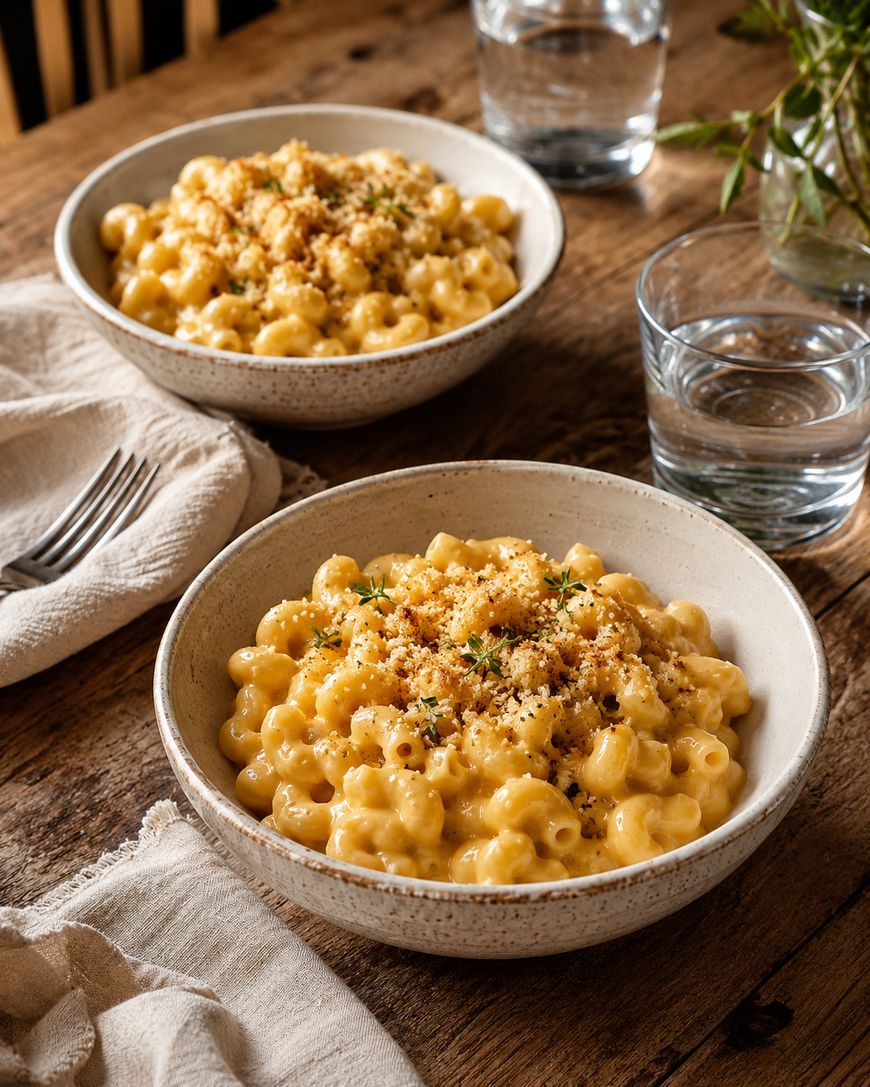
For a baked finish, transfer the sauced pasta to a greased baking dish and top it with a mixture of panko breadcrumbs and melted vegan butter.
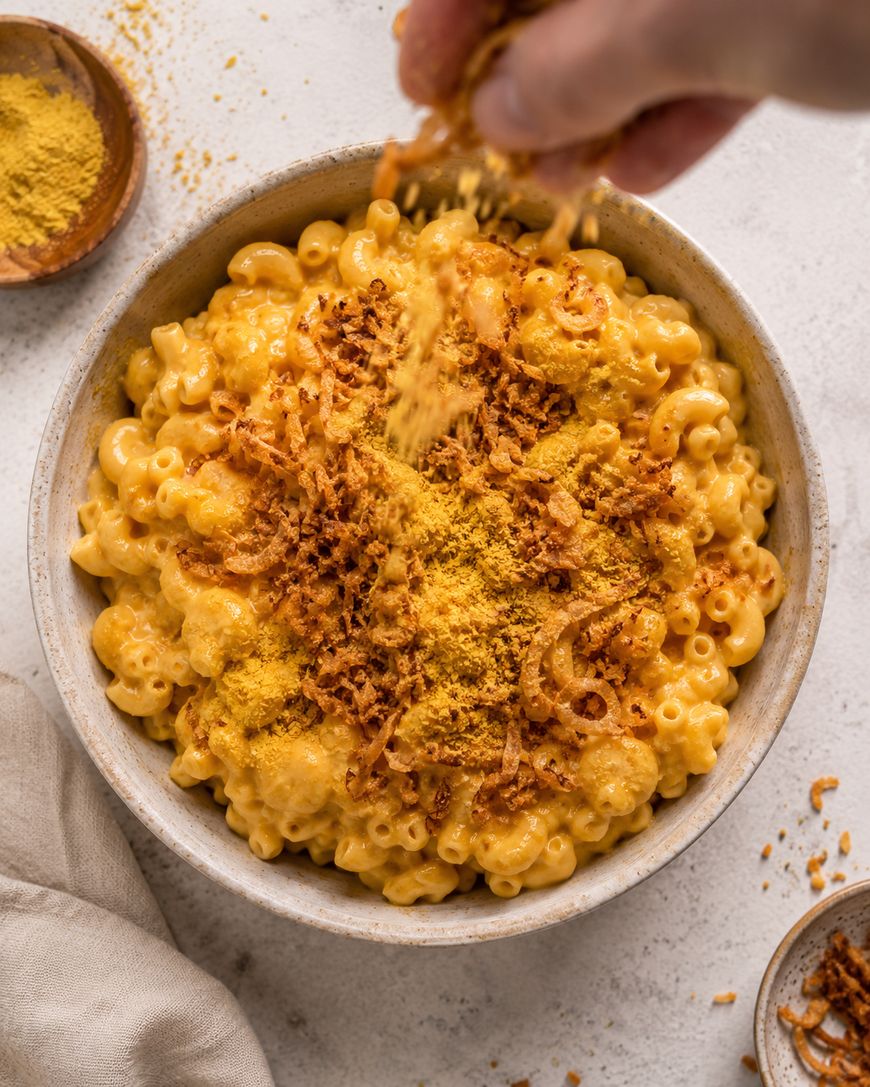
Bake at 375°F for 15 to 18 minutes, until the top turns golden and the edges bubble.
A broiler works too, but watch it closely for the last two minutes since panko browns fast under direct heat.
Crispy fried shallots or a sprinkle of extra nutritional yeast make a nice topping if you skip the baking step entirely.
Variations and Substitutions
Swap the tofu for an equal amount of canned white beans if you want an even higher fiber count, since the beans blend just as smooth once soaked sauce ingredients are added.
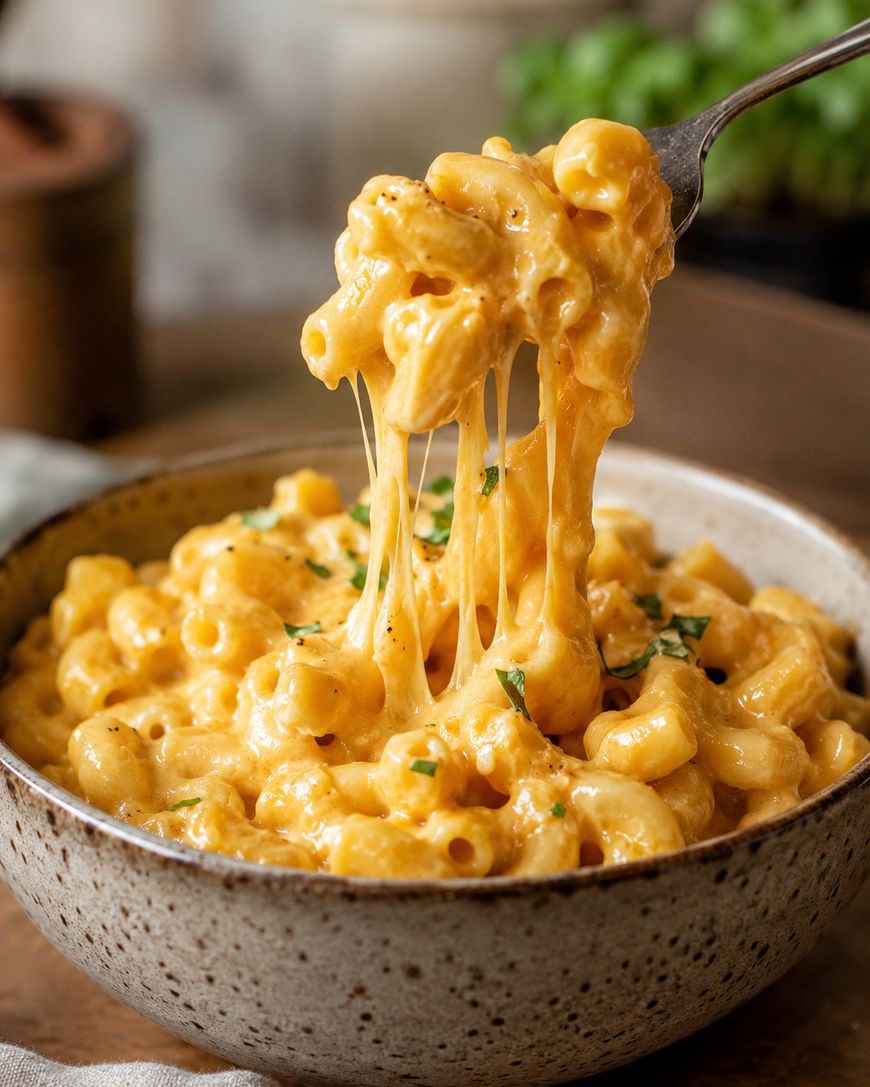
Almond milk or oat milk both work in place of soy milk, though oat milk gives the sauce a slightly sweeter background note.
Add a cup of steamed broccoli or roasted butternut squash directly into the pasta for extra volume without diluting the protein per serving.
Red pepper flakes or a diced chipotle in adobo turn this into a smoky, spicy version that still keeps the same protein profile.
Any short pasta shape works here, though cavatappi and shells hold the sauce especially well in their ridges.
Storage and Reheating
Store leftover high protein vegan mac and cheese in an airtight container in the refrigerator for up to four days.
The sauce will thicken as it chills, so reheat gently on the stovetop with a splash of plant milk stirred in to loosen it back up.
Microwave reheating works in a pinch, but stir every 30 seconds and add liquid as needed to prevent the sauce from breaking.
This dish does not freeze particularly well, since the cashew and tofu base can separate once thawed.
Serving Suggestions
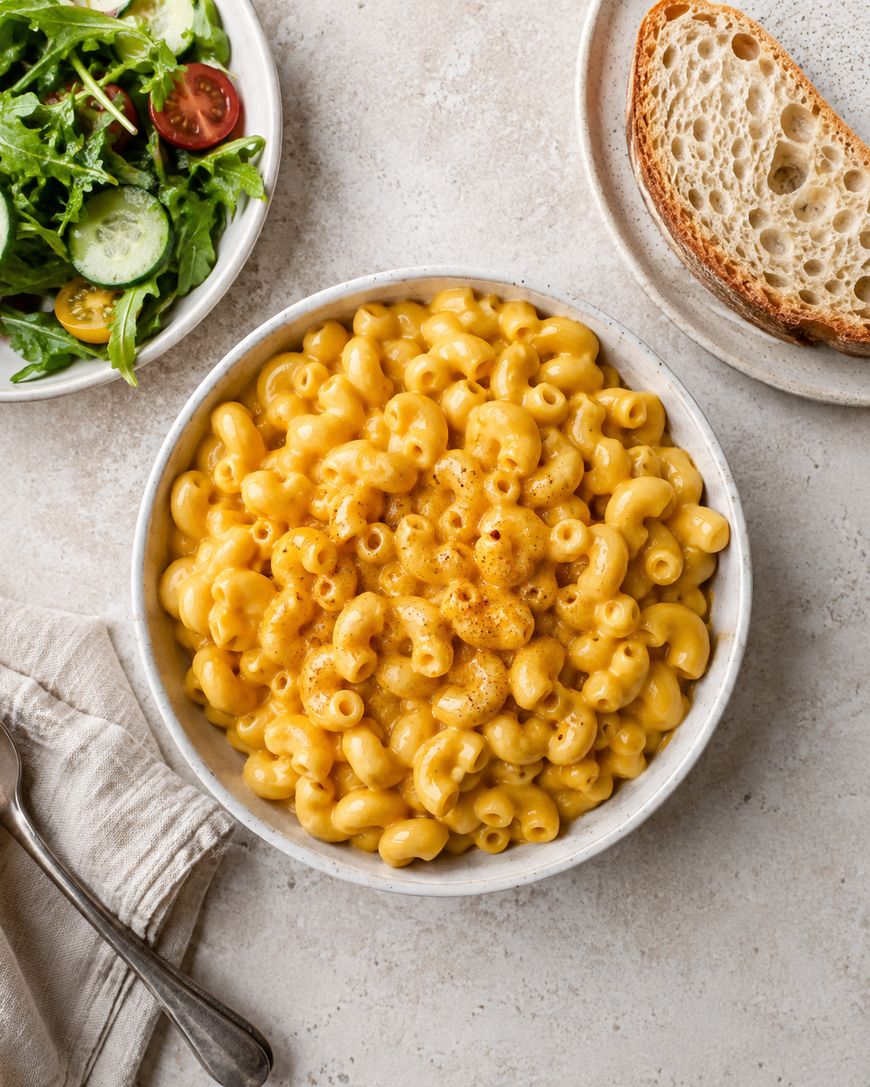
Serve this alongside a simple green salad with a lemon vinaigrette to balance the richness of the sauce.
Roasted broccolini or garlicky sautéed kale both pair well and round the meal out with extra fiber.
A slice of crusty sourdough on the side works for soaking up any extra sauce left in the bowl.
For a heartier plate, add pan-seared tempeh strips or baked tofu cubes tossed in barbecue sauce alongside the pasta.
Where This Recipe Comes From
Mac and cheese has roots that trace back to European pasta and cheese dishes, with Thomas Jefferson credited for popularizing an early American version after encountering pasta in France and Italy.
The dish became a pantry staple in the United States by the mid-20th century, largely thanks to boxed versions that made it fast and cheap to prepare.
This high protein vegan mac and cheese keeps the nostalgic creaminess of the original while building it from whole plant ingredients that support a more balanced plate.
Cashew and tofu based sauces became popular in vegan cooking over the last two decades as blenders got more powerful and dairy-free eating became more mainstream.
Ready to see exact measurements and step-by-step timing? The recipe card below has everything mapped out for you.
High Protein Vegan Mac and Cheese
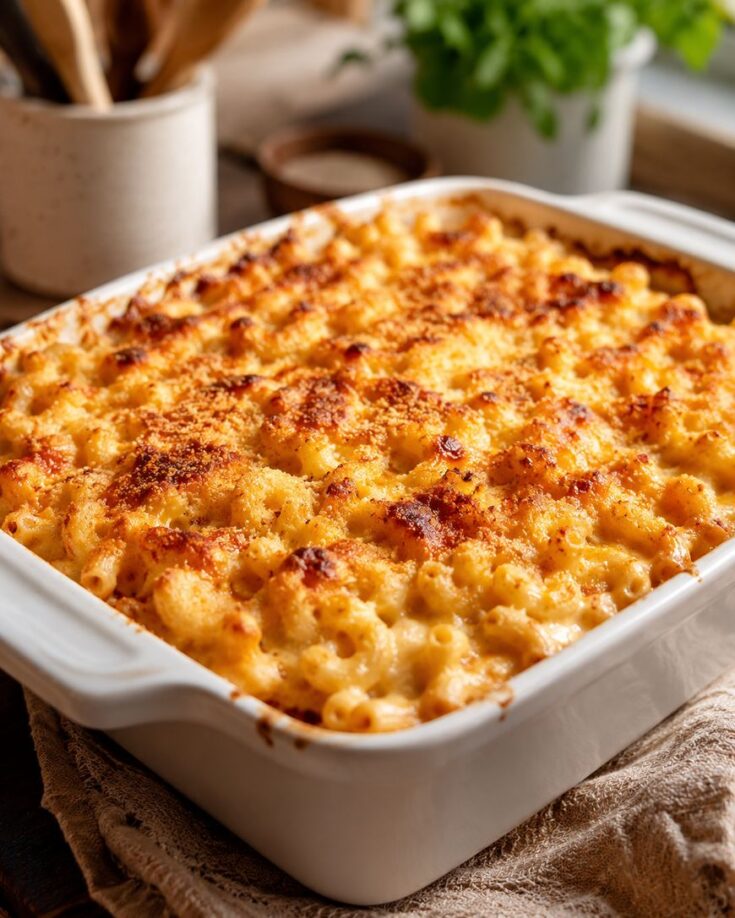
A creamy, cheesy vegan mac and cheese made with silken tofu, soaked cashews, and chickpea pasta for 22g of plant protein per serving.
Ingredients
- 12 oz chickpea elbow pasta
- 1 cup raw cashews, soaked in hot water 15 minutes and drained
- 1/2 cup silken tofu
- 1/3 cup nutritional yeast
- 1 cup unsweetened plant milk
- 1 tablespoon lemon juice
- 1 tablespoon white miso paste
- 1 teaspoon garlic powder
- 1 teaspoon onion powder
- 1/2 teaspoon smoked paprika
- 1/4 teaspoon ground turmeric
- 1 teaspoon sea salt
- 1/4 teaspoon black pepper
- 1/2 cup panko breadcrumbs, optional for baked topping
- 2 tablespoons melted vegan butter, optional for baked topping
Instructions
- Soak the raw cashews in just-boiled water for 15 minutes, then drain well.
- Bring a large pot of salted water to a boil and cook the chickpea pasta one minute less than package directions, then reserve 1/2 cup pasta water and drain.
- Add the soaked cashews, silken tofu, nutritional yeast, plant milk, lemon juice, miso, garlic powder, onion powder, smoked paprika, turmeric, salt, and pepper to a high-speed blender.
- Blend on high for 2 minutes, scraping down the sides once, until completely smooth.
- Return the drained pasta to the pot over low heat and pour in the blended sauce.
- Stir constantly for 2 to 3 minutes until the sauce turns glossy and thick, adding reserved pasta water a tablespoon at a time if needed.
- For a baked version, transfer the pasta to a greased baking dish, top with panko mixed with melted vegan butter, and bake at 375F for 15 to 18 minutes until golden.
- Serve immediately, topped with extra nutritional yeast or crispy shallots if desired.
Notes
For a nut-free version, substitute soaked raw sunflower seeds for the cashews. Leftovers keep in an airtight container in the fridge for up to 4 days; this recipe is not recommended for freezing since the sauce can separate.
Nutrition Information:
Yield:
4Serving Size:
1 bowl (about 1.5 cups)Amount Per Serving: Calories: 480Total Fat: 18gSaturated Fat: 3gCholesterol: 0mgSodium: 620mgCarbohydrates: 58gFiber: 9gSugar: 4gProtein: 22g
Frequently Asked Questions
Is chickpea pasta necessary for this recipe to be high protein?
Chickpea pasta roughly doubles the protein per serving compared to regular wheat pasta, so it plays a big role in hitting the higher protein target.
Regular pasta still works if that is what you have, but expect a lower overall protein count per bowl.
Can you make this recipe nut free?
Yes, swap the cashews for an equal amount of raw sunflower seeds soaked the same way, since they blend just as creamy.
The flavor shifts slightly, but the texture stays smooth and rich.
Why did the sauce turn out grainy?
Grainy sauce usually means the cashews were not soaked long enough or the blender was not powerful enough to fully break them down.
Soak the cashews a bit longer in hot water and blend for the full two minutes to fix this on the next batch.
How do you boost the protein even further?
Stir in a scoop of unflavored or vanilla pea protein powder once the sauce has finished blending, tasting as you go since it can shift the flavor slightly.
Adding extra silken tofu or a side of baked tempeh also works well without changing the sauce’s texture.
Is this recipe kid friendly?
Yes, the turmeric and nutritional yeast give the sauce a familiar golden color and cheesy flavor that most kids recognize from boxed mac and cheese.
Skip the smoked paprika or use a smaller amount if your household prefers a milder flavor.
Can this recipe be made gluten free?
Yes, chickpea pasta is naturally gluten free, though it’s worth double-checking the package since some brands process in shared facilities.
Swap the panko topping for a certified gluten-free breadcrumb if you are making the baked version.
Final Thoughts
This high protein vegan mac and cheese proves that comfort food and nutrition do not have to be separate categories on your dinner table.
With a creamy tofu and cashew sauce, protein-packed chickpea pasta, and a handful of pantry spices, you get a bowl that satisfies the craving and keeps you full much longer than the boxed version ever did.

Leave a Reply